
What Is the True Cost of a Finished Basement in 2025?
The cost to finish a basement typically ranges from $30,000 to $75,000, with most homeowners spending around $50,000 for a mid-range renovation. This investment transforms unused square footage into functional living space while adding significant value to your property.
Understanding basement finishing costs helps you budget effectively, avoid contractor surprises, and make informed decisions about materials, layouts, and features. Whether you’re creating a guest suite, home office, or entertainment area, knowing the financial commitment upfront prevents project delays and budget overruns.
Key Takeaways About Finished Basement Costs
- Average costs range from $30-$75 per square foot, depending on finishes, features, and regional labor rates
- Most projects fall between $30,000-$75,000 for standard basements (800-1,200 square feet) with mid-range materials
- Moisture control and structural work add 15-30% to base costs, including waterproofing, foundation repairs, and drainage systems
- Luxury finishes and custom features can exceed $100 per square foot, especially with wet bars, home theaters, or high-end bathrooms
- Permit fees, design costs, and unexpected issues typically add 10-20% to initial contractor estimates
- Professional contractors like Chiusano Design Build LLC provide detailed quotes that account for local building codes and regional pricing variations
How Much Does It Cost to Finish a Basement Per Square Foot?
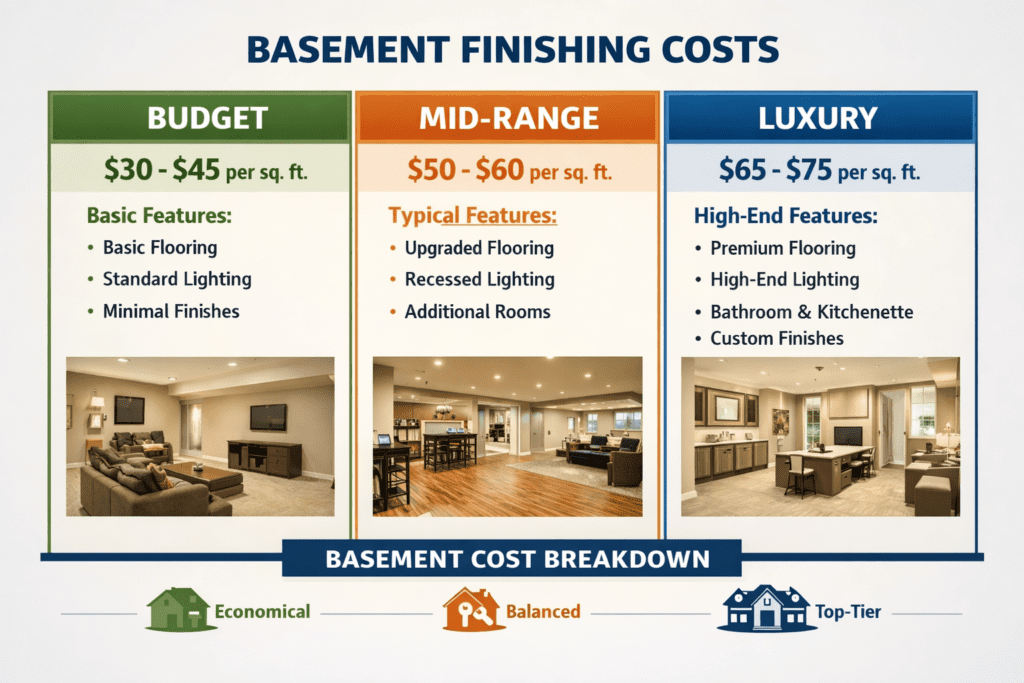
Basement finishing costs average $30 to $75 per square foot, though this range varies significantly based on the quality of materials, complexity of the design, and regional labor rates. Basic finishes with standard materials sit at the lower end, while custom work with premium features pushes costs higher.
The per-square-foot metric provides a useful starting point for budget planning, but your actual costs depend on specific project requirements. A simple recreation room with basic flooring and lighting costs less than a multifunctional space with a bathroom, kitchenette, and built-in storage.
Budget-Friendly Basement Finishing Options
Budget finishes typically cost $25 to $40 per square foot and include essential elements without luxury upgrades. This approach uses vinyl plank flooring, drywall with basic paint, standard lighting fixtures, and minimal built-ins or custom features.
Cost-saving strategies include using open ceiling designs instead of drop ceilings, selecting prefabricated trim and doors, and limiting the number of electrical outlets and light fixtures. These choices reduce labor hours while still creating a functional, comfortable space.
Mid-Range Basement Renovation Costs
Mid-range projects cost $50 to $75 per square foot and represent the most common investment level for homeowners. This tier includes better-quality flooring options like engineered hardwood or luxury vinyl, recessed lighting, upgraded trim work, and potentially a half-bathroom.
At this price point, you can incorporate basement finishing ideas that add real functionality, such as a wet bar area, custom storage solutions, or dedicated zones for different activities. The materials and finishes look polished without entering luxury territory.
Luxury Basement Finishing Investments
High-end basement finishes exceed $75 to $100+ per square foot and include premium materials, custom millwork, sophisticated lighting systems, and specialty features. Projects at this level often involve architect or designer fees, custom cabinetry, high-end appliances, and luxury bathroom fixtures.
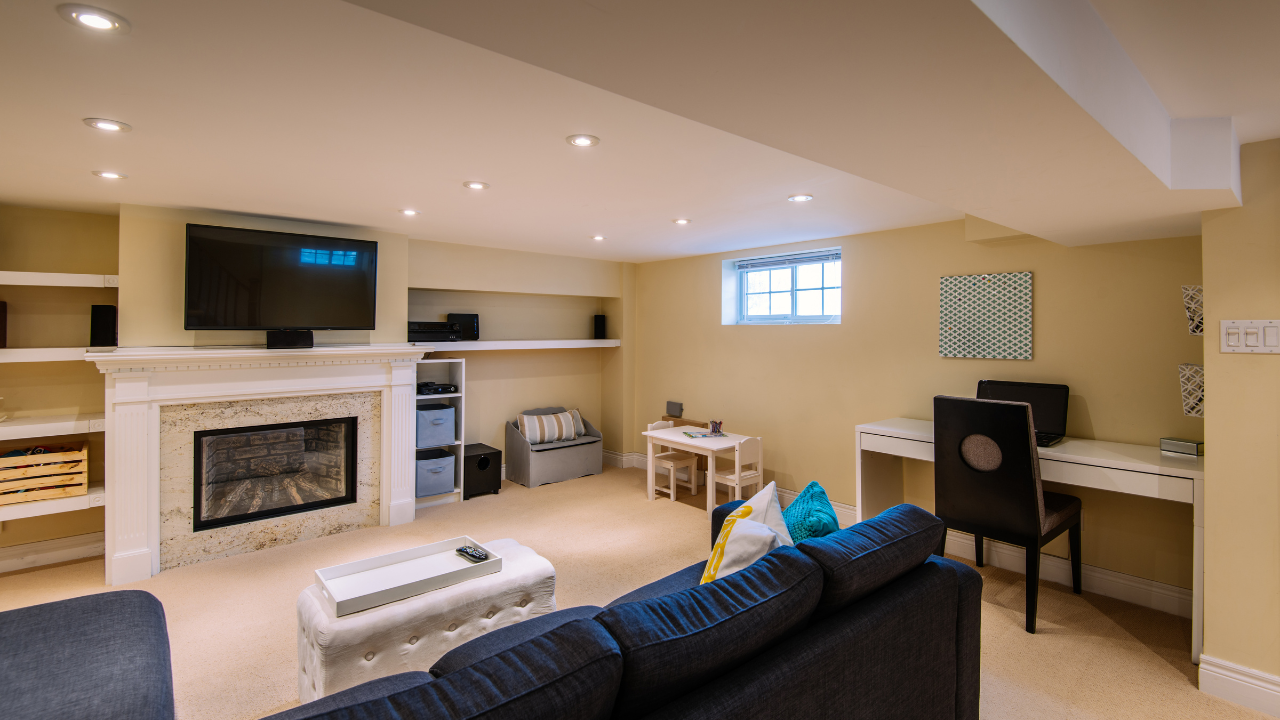
Luxury basements might feature home theaters with acoustic treatments, wine cellars with climate control, full gourmet kitchens, spa-quality bathrooms, or custom bars with high-end finishes. These spaces rival main-floor living areas in quality and detail.
What Factors Influence Finished Basement Costs?
Multiple variables affect your final project cost beyond basic square footage. Understanding these factors helps you prioritize spending and identify areas where you can adjust your budget without compromising essential elements.
| Cost Factor | Impact on Budget | Typical Cost Range |
| Basement Size | Direct correlation to total cost | $30,000-$120,000+ |
| Existing Conditions | Foundation repairs, moisture issues | $5,000-$25,000 |
| Plumbing Additions | Bathroom or kitchenette installation | $15,000-$35,000 |
| Electrical Upgrades | Panel upgrades, new circuits | $2,000-$8,000 |
| HVAC Extensions | Heating and cooling additions | $3,000-$10,000 |
| Egress Windows | Required for bedrooms (code compliance) | $2,500-$5,000 each |
Basement Size and Layout Complexity
Larger basements cost more in absolute dollars, but per-square-foot costs often decrease slightly as size increases due to economies of scale. A 600-square-foot basement might cost $45 per square foot, while a 1,200-square-foot space might average $38 per square foot.
Layout complexity affects labor costs significantly. Open floor plans with minimal walls cost less than designs with multiple rooms, hallways, and doorways. Each additional wall requires framing, drywall, electrical outlets, and finishing work that increases both material and labor expenses.
Moisture Control and Waterproofing Requirements
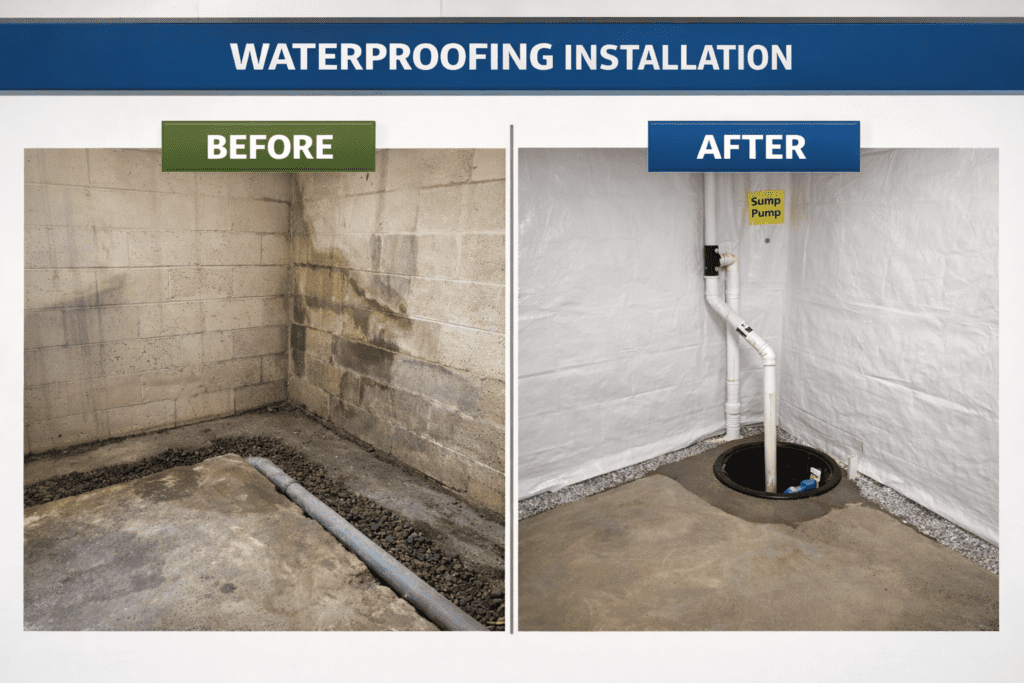
Addressing moisture issues is non-negotiable for successful basement finishing. Waterproofing costs range from $2,000 to $15,000 depending on the severity of existing problems and whether interior or exterior solutions are needed.
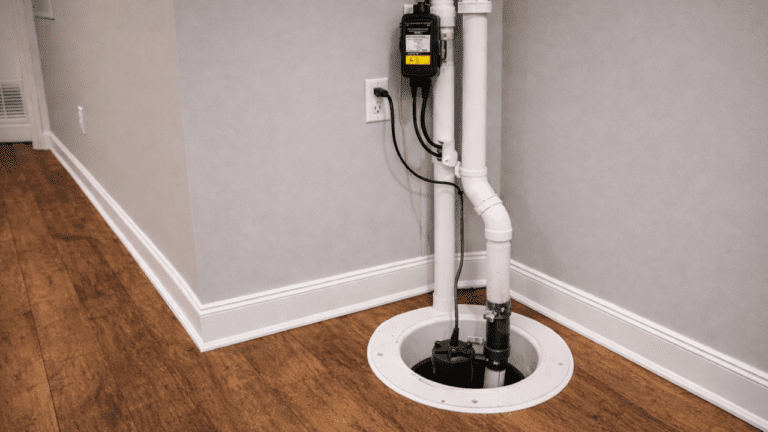
Proper moisture management might require installing a sump pump in finished basement, adding drainage systems, sealing foundation walls, or installing vapor barriers. Skipping these steps leads to mold growth, material damage, and costly repairs down the road.
Plumbing and Bathroom Additions
Adding a bathroom increases project costs by $15,000 to $35,000 or more, depending on fixture quality and whether you’re working with or against gravity for drainage. Below-grade plumbing often requires ejector pumps or sewage grinders, adding complexity and expense.
A basic half-bathroom with a toilet and sink costs less than a full bathroom with a shower or tub. Luxury bathrooms with multiple fixtures, tile work, and high-end finishes can easily exceed $40,000 as a standalone element of your basement project.
Electrical and HVAC System Upgrades
Most basements require electrical panel upgrades or additional circuits to support new lighting, outlets, and appliances. Electrical work typically costs $2,000 to $8,000, though extensive requirements for home theaters, bars, or multiple zones push costs higher.
Extending your HVAC system ensures year-round comfort but adds $3,000 to $10,000 to your budget. Options include extending existing ductwork, adding a separate zone, or installing ductless mini-split systems. Proper climate control prevents humidity issues and makes the space genuinely livable.
Breaking Down Basement Finishing Costs by Component
Understanding how costs distribute across different project components helps you make informed decisions about where to invest and where to economize. Each element contributes to both functionality and aesthetics in different proportions.
Framing and Drywall Installation
Framing and drywall typically represent 15-20% of total project costs, or roughly $5,000 to $15,000 for an average basement. This includes stud walls, ceiling framing if needed, drywall installation, taping, mudding, and sanding to create smooth wall surfaces.
Steel studs cost more than wood but resist moisture better in basement environments. Moisture-resistant drywall (green board or purple board) costs 20-30% more than standard drywall but provides crucial protection against humidity and minor moisture exposure.
Flooring Material and Installation
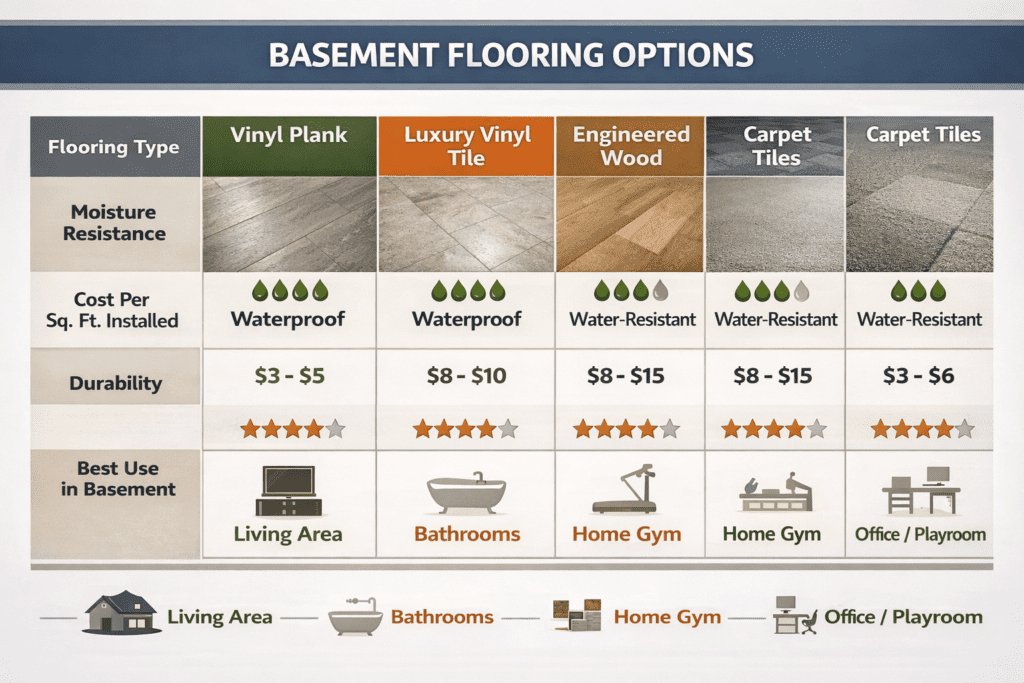
Flooring costs vary dramatically based on material selection. Budget options like vinyl plank start around $3-$5 per square foot installed, while luxury vinyl tile, engineered hardwood, or high-quality carpet range from $8 to $15 per square foot.
Avoid solid hardwood in basements due to moisture sensitivity. Instead, consider waterproof luxury vinyl plank, engineered wood with proper underlayment, or carpet tiles that can be individually replaced if moisture issues arise. Tile works well for bathroom areas and transitions but costs $10 to $25 per square foot installed.
Ceiling Options and Costs
Drop ceilings cost $2 to $4 per square foot and provide easy access to utilities while hiding ductwork and pipes. They’re practical but can make spaces feel lower if you have limited ceiling height to begin with.
Drywall ceilings look more finished and polished but cost $4 to $8 per square foot installed. Open or exposed ceilings where utilities are painted cost less but require more planning to make mechanical systems look intentional rather than unfinished.
Lighting and Electrical Fixtures
Proper lighting transforms basement spaces from dark and dingy to bright and welcoming. Plan to spend $2,000 to $5,000 on lighting and electrical fixtures, including recessed lights, pendant fixtures, outlets, and switches.
Recessed LED lights cost $50 to $100 each installed and provide even illumination without taking visual space. Layer lighting with task lights for work areas, ambient lights for general illumination, and accent lights to highlight architectural features or artwork.
Trim, Doors, and Finishing Details
Trim work and doors typically cost $3,000 to $8,000, depending on quality and quantity. This includes baseboard, door casings, window trim if applicable, doors, and door hardware.
Prefinished trim saves installation time and costs less than custom-stained or painted trim installed on-site. Hollow-core doors work fine for closets and utility areas, while solid-core or panel doors better suit living spaces and bedrooms for sound control and aesthetics.
Regional Cost Differences and Local Market Factors
Where you live significantly impacts basement finishing costs due to variations in labor rates, material availability, and building code requirements. Metropolitan areas and regions with higher costs of living see premiums of 20-40% over national averages.
Markets in the Northeast, West Coast, and major urban centers typically command higher prices, while rural areas and regions with lower costs of living offer more competitive rates. Local building codes also affect costs—jurisdictions with stricter requirements for egress, fire protection, or structural elements increase project expenses.
Hudson Valley New York Basement Finishing Costs
In the Hudson Valley region, basement finishing costs typically range from $45 to $90 per square foot, reflecting the area’s moderate-to-high cost of living and competitive contractor market. Local building codes require careful attention to moisture control, egress windows for bedrooms, and proper HVAC extensions.
Companies like Chiusano Design Build LLC understand regional requirements, weather patterns affecting basement moisture, and local permitting processes. Their experience with Hudson Valley projects helps homeowners avoid common pitfalls and budget appropriately for area-specific challenges.
Hidden Costs and Unexpected Expenses in Basement Projects
Even with careful planning, basement finishing projects often encounter unexpected costs. Budget an additional 10-20% contingency to cover surprises without derailing your project or forcing compromises on essential elements.
Structural and Foundation Repairs
Foundation cracks, settling issues, or structural concerns must be addressed before finishing work begins. Repairs range from $2,000 for minor crack sealing to $25,000+ for major foundation work.
Signs of structural issues include vertical or horizontal cracks, water seepage, bowing walls, or uneven floors. Professional structural engineers assess these problems and recommend solutions before contractors begin cosmetic work.
Mold Remediation and Moisture Problems
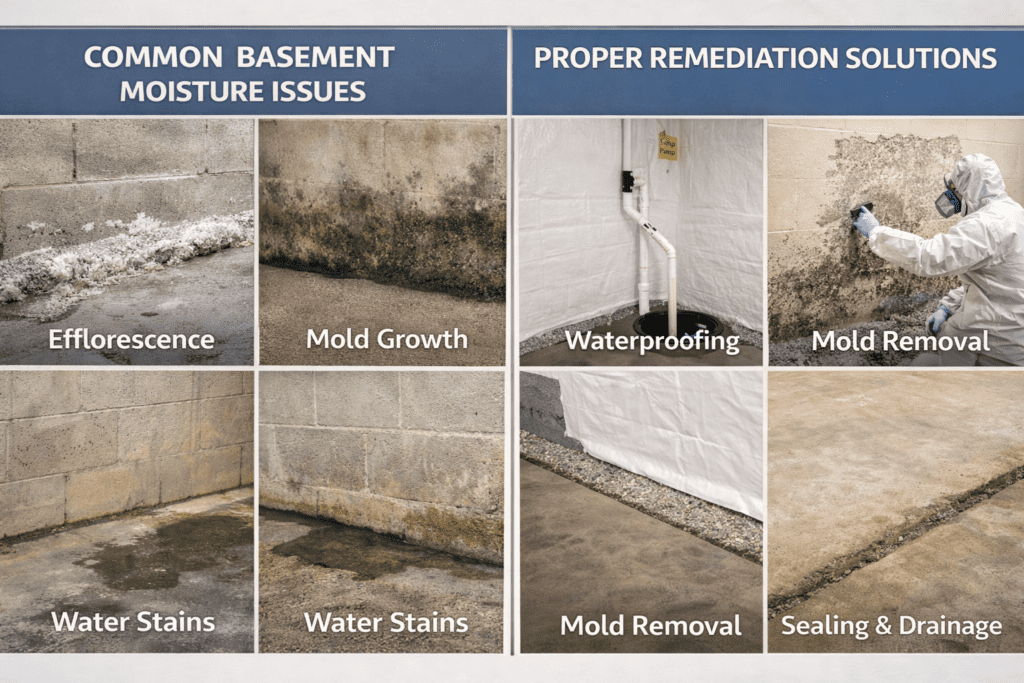
Discovering mold during demolition requires professional remediation before work continues. Mold removal costs $1,500 to $10,000 depending on the extent of contamination and underlying moisture sources.
Professional remediation includes identifying moisture sources, containing affected areas, removing contaminated materials, treating surfaces with antimicrobials, and verifying complete remediation through testing. Cutting corners on mold issues creates health hazards and legal liability.
Permit Fees and Inspection Costs
Permit fees typically cost $500 to $2,000 depending on project scope and local jurisdiction requirements. Electrical, plumbing, and building permits each carry separate fees and require inspections at various project stages.
Skipping permits seems tempting to save money but creates problems when selling your home, invalidates insurance coverage if problems arise, and may require expensive remediation if discovered during future inspections or appraisals.
Utility Relocation and Access
Moving electrical panels, water heaters, HVAC equipment, or other utilities to accommodate your new layout adds $2,000 to $8,000 or more to project costs. Plumbing rerouting costs even more due to drainage requirements and code compliance.
Sometimes utility relocation is unavoidable, but smart design minimizes these moves by planning around existing equipment locations and maintaining access panels for future service needs.
How to Reduce Basement Finishing Costs Without Sacrificing Quality
Strategic cost management keeps projects affordable while maintaining the quality and functionality you need. Focus spending on structural elements, moisture control, and mechanical systems while economizing on aesthetic elements that can be upgraded later.
Prioritize Essential Infrastructure
Invest fully in waterproofing, proper drainage, adequate electrical capacity, and reliable HVAC extensions. These systems determine whether your basement remains comfortable and usable long-term, making them worth the investment even if you choose budget finishes elsewhere.
Cutting corners on infrastructure leads to expensive repairs, moisture damage, uncomfortable temperatures, and electrical capacity issues when you want to add features later. Get these elements right the first time.
Choose Value-Based Materials
Mid-range materials often provide 80% of the aesthetic benefit at 50% of luxury pricing. Luxury vinyl plank flooring, for example, looks remarkably similar to hardwood at a fraction of the cost while offering superior moisture resistance.
Select materials that balance appearance, durability, and cost. Porcelain tile that mimics marble costs less than natural stone while offering better stain resistance and easier maintenance. Quality laminate countertops beat cheap granite in durability and appearance.
Simplify the Layout
Open floor plans with fewer walls reduce framing, drywall, electrical, and finishing costs. Each interior wall adds $500 to $1,500 to project expenses when you account for materials, labor, electrical outlets, and finish work.
Use furniture placement, area rugs, and lighting to define zones rather than building walls. This approach maintains flexibility for future use changes and keeps costs down while creating functional spaces.
Handle Demolition and Prep Work Yourself
DIY demolition of existing finished areas, clearing out stored items, and preparing the space for contractors can save $2,000 to $5,000 in labor costs. Most homeowners can safely remove old paneling, ceiling tiles, and non-structural elements.
Avoid electrical, plumbing, or structural work yourself unless properly trained and licensed. These trades require expertise to meet code requirements and ensure safety. Focus your DIY efforts on unskilled or semi-skilled labor that contractors would otherwise charge hourly rates to complete.
Financing Options for Basement Finishing Projects
Most homeowners need financing to cover basement finishing costs. Several options exist, each with different advantages, requirements, and cost implications that affect your overall project budget.
Home Equity Loans and Lines of Credit
Home equity loans provide lump-sum financing at fixed rates, typically ranging from 6-9% depending on creditworthiness and current market conditions. You receive all funds upfront and repay over 5-30 years with predictable monthly payments.
Home equity lines of credit (HELOCs) work like credit cards secured by your home equity. You draw funds as needed during the project and pay interest only on amounts used. HELOCs offer flexibility but carry variable rates that can increase over time.
Cash-Out Refinancing
Cash-out refinancing replaces your existing mortgage with a larger loan, providing the difference as cash for your project. This option makes sense when refinance rates are lower than your current mortgage rate, essentially funding your basement at your mortgage rate.
Consider closing costs (2-5% of loan amount) when calculating whether cash-out refinancing saves money compared to home equity options. This approach works best in declining rate environments or when you benefit from refinancing anyway.
Personal Loans and Contractor Financing
Personal loans don’t require home equity but carry higher interest rates, typically 8-15% for qualified borrowers. They work for smaller projects or when you lack sufficient home equity for secured financing.
Some contractors offer financing programs through partnerships with lenders. These programs sometimes include promotional rates or deferred interest periods, though carefully review terms to understand true costs before committing.
Return on Investment for Finished Basements
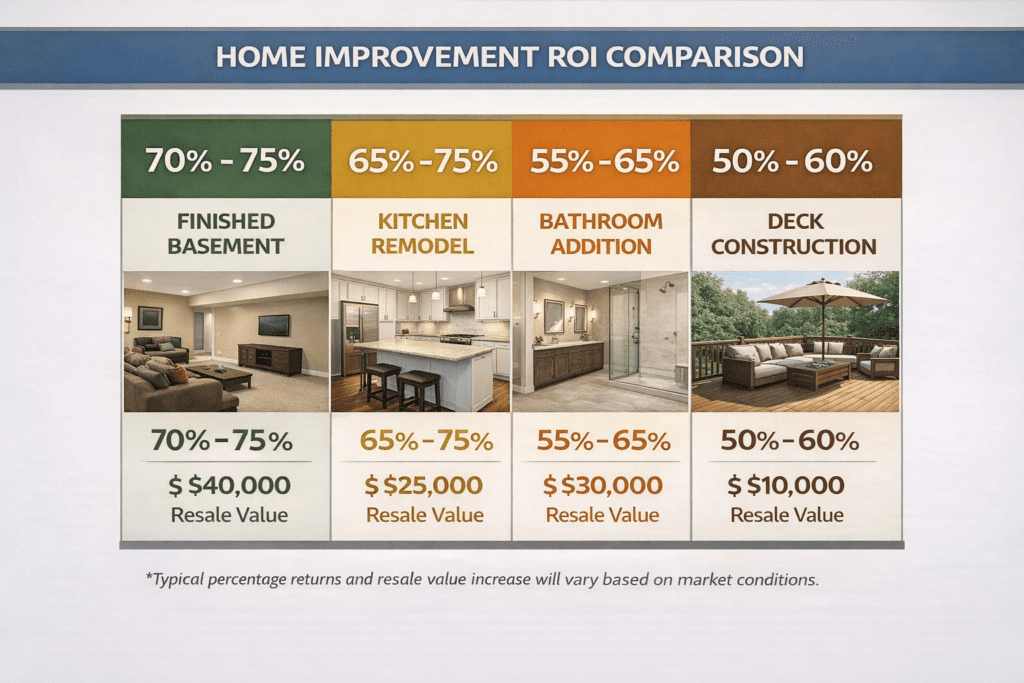
Understanding the financial return helps frame basement finishing as an investment rather than pure expense. Finished basements typically return 70-75% of their cost upon resale, though this varies by market, quality of work, and how well the space meets buyer needs.
Factors That Maximize Resale Value
Basements designed as multipurpose spaces appeal to more buyers than highly specialized rooms. Guest suites with bathrooms, home offices, and entertainment areas add more value than single-purpose rooms like home theaters or wine cellars that limit buyer appeal.
Quality finishes, proper lighting, and legitimate egress windows for bedrooms justify higher asking prices. Buyers pay premiums for spaces that meet building codes for habitable rooms versus simple recreation areas.
Immediate Quality of Life Benefits
Beyond financial returns, finished basements provide immediate lifestyle improvements that justify investment. Additional living space reduces crowding, provides privacy for family members, creates dedicated work-from-home areas, and offers entertaining space without disturbing sleeping areas.
For families planning to stay in their homes long-term, the enjoyment and functionality outweigh pure financial returns. Calculate value based on years of use and improved daily living, not just resale proceeds.
Working with Contractors: What to Expect in Quotes and Contracts
Professional contractor relationships determine project success or frustration. Detailed written quotes, clear contracts, and transparent communication protect both parties while ensuring work meets expectations and budgets.
What Comprehensive Quotes Should Include
Quality contractor quotes itemize labor and materials separately, specify product brands and models, outline payment schedules, and include timelines for completion. Vague estimates with single lump-sum numbers make it impossible to verify you’re getting what you paid for.
Request quotes from at least three contractors to compare pricing, approaches, and professionalism. The lowest bid isn’t always the best choice—evaluate experience, references, licensing, insurance, and communication quality alongside pricing.
Contract Essentials for Basement Projects
Solid contracts specify scope of work, materials to be used, payment schedules tied to completion milestones, start and end dates, warranty terms, and procedures for handling changes or disputes. Never begin work without a signed contract, regardless of contractor reputation or relationship history.
Payment schedules should follow progress—typical structures involve a deposit (10-20%), progress payments at defined milestones (30-40% each), and final payment (10-20%) upon satisfactory completion and inspection approval. Avoid contractors demanding large upfront payments or full payment before completion.
Managing Change Orders and Scope Adjustments
Change orders document modifications to the original contract scope, whether adding features, upgrading materials, or addressing unexpected conditions. Every change order should specify cost impacts and timeline adjustments before work proceeds.
Some changes add costs while others reduce expenses if you remove elements from the original scope. Track all changes in writing with signed change order forms that become contract amendments protecting both parties.
Timeline Expectations for Basement Finishing Projects
Realistic timeline expectations prevent frustration and help you plan around construction disruption. Most basement finishing projects take 4-12 weeks from start to completion, depending on size, complexity, and contractor scheduling.
Project Phase Breakdown
Design and planning typically require 2-4 weeks, including contractor selection, finalizing plans, obtaining permits, and ordering materials. Demolition and rough-in work (framing, electrical, plumbing, HVAC) take 2-3 weeks for average basements.
Inspection and finish work including drywall, flooring, trim, painting, and fixture installation require another 3-4 weeks. Final inspections, punch list completion, and cleanup add one more week before you can fully occupy the space.
Factors That Extend Project Timelines
Permit delays, material backorders, unexpected structural issues, and weather affecting exterior waterproofing work can extend timelines by days or weeks. Complex designs with custom elements require longer fabrication and installation periods.
Contractor scheduling also impacts timelines—busy contractors may have several-week waits before starting your project, though once started, work typically proceeds faster than if they’re juggling multiple jobs simultaneously. Discuss realistic schedules during contractor selection to align expectations.
Frequently Asked Questions
How much to finish a 500 sq ft basement?
A 500-square-foot basement typically costs between $15,000 and $37,500 to finish, depending on the level of finishes and features you select. Budget projects with basic materials and open layouts stay toward the lower end, while mid-range finishes with a half-bathroom push costs to $25,000-$30,000. This size works well for single-purpose spaces like home offices, gyms, or entertainment areas without requiring extensive room divisions or complex mechanical work.
How much would it be to finish a 1200 sq ft basement?
Finishing a 1,200-square-foot basement generally costs between $36,000 and $90,000, with most homeowners spending around $60,000 for mid-range quality. This size accommodates multiple rooms, a bathroom, storage areas, and various functional zones. Larger basements benefit from economies of scale on materials but require more substantial electrical, HVAC, and plumbing extensions. The space allows for comprehensive living areas that significantly increase home functionality and value.
How much to finish a basement in Long Island, NY?
Long Island basement finishing costs range from $50 to $100 per square foot due to the region’s high labor rates and cost of living. A typical 1,000-square-foot basement would cost $50,000 to $100,000 depending on finishes and features. Local building codes require careful attention to flood zones in some areas, proper egress windows, and moisture control given proximity to water. Regional contractor demand and material costs contribute to pricing above national averages.
How long does it take to finish a 1000 sq ft basement?
A 1,000-square-foot basement typically takes 6-10 weeks to complete from start to finish, including design, permitting, construction, and final inspections. Simple, open layouts with minimal plumbing finish faster (4-6 weeks), while complex designs with bathrooms, multiple rooms, and custom features extend timelines to 10-12 weeks. Weather delays affecting exterior waterproofing, permit processing times, and material availability can add 1-3 weeks to base timelines.
What is the most expensive part of finishing a basement?
Bathroom additions represent the single most expensive element, typically costing $15,000 to $35,000 for installation including plumbing, fixtures, tile work, and ventilation. The complexity of below-grade plumbing requiring ejector pumps drives costs higher than main-floor bathrooms. Alternatively, if addressing serious moisture or foundation issues, structural and waterproofing work can exceed bathroom costs at $10,000 to $30,000 for comprehensive solutions including exterior excavation, drainage systems, and foundation sealing.
Transform Your Basement Into Valuable Living Space
Finishing your basement represents a significant investment that pays dividends in additional living space, home value, and daily quality of life. With costs ranging from $30,000 to $75,000 for most projects, understanding where your money goes helps you make informed decisions that balance budget constraints with long-term satisfaction.
Professional guidance ensures your project addresses critical infrastructure elements like moisture control and mechanical systems while creating spaces that meet your family’s needs and comply with building codes. Chiusano Design Build LLC brings expertise in basement finishing throughout the Hudson Valley, helping homeowners navigate costs, design options, and construction processes with confidence. Contact them at 845-201-9450 to discuss your basement finishing project and receive a detailed quote tailored to your specific space, goals, and budget.