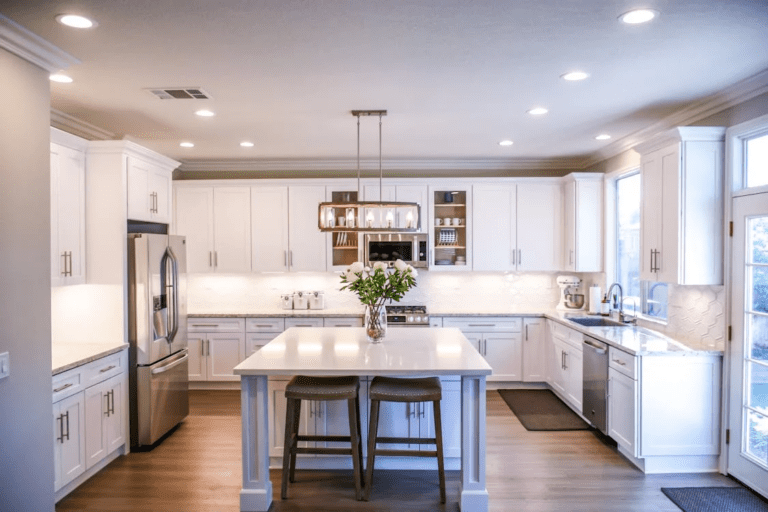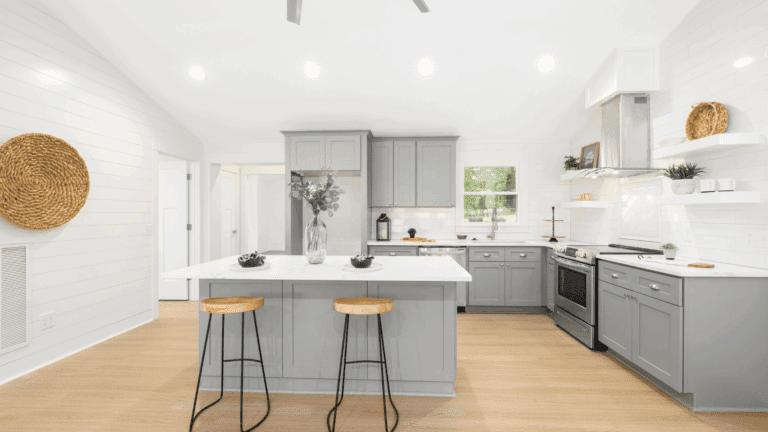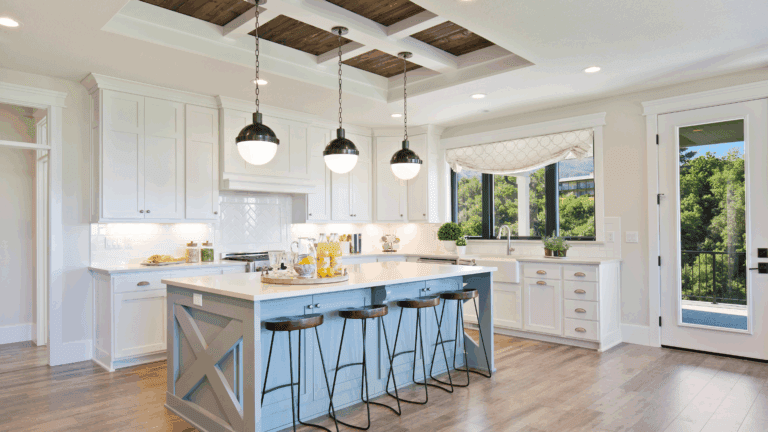

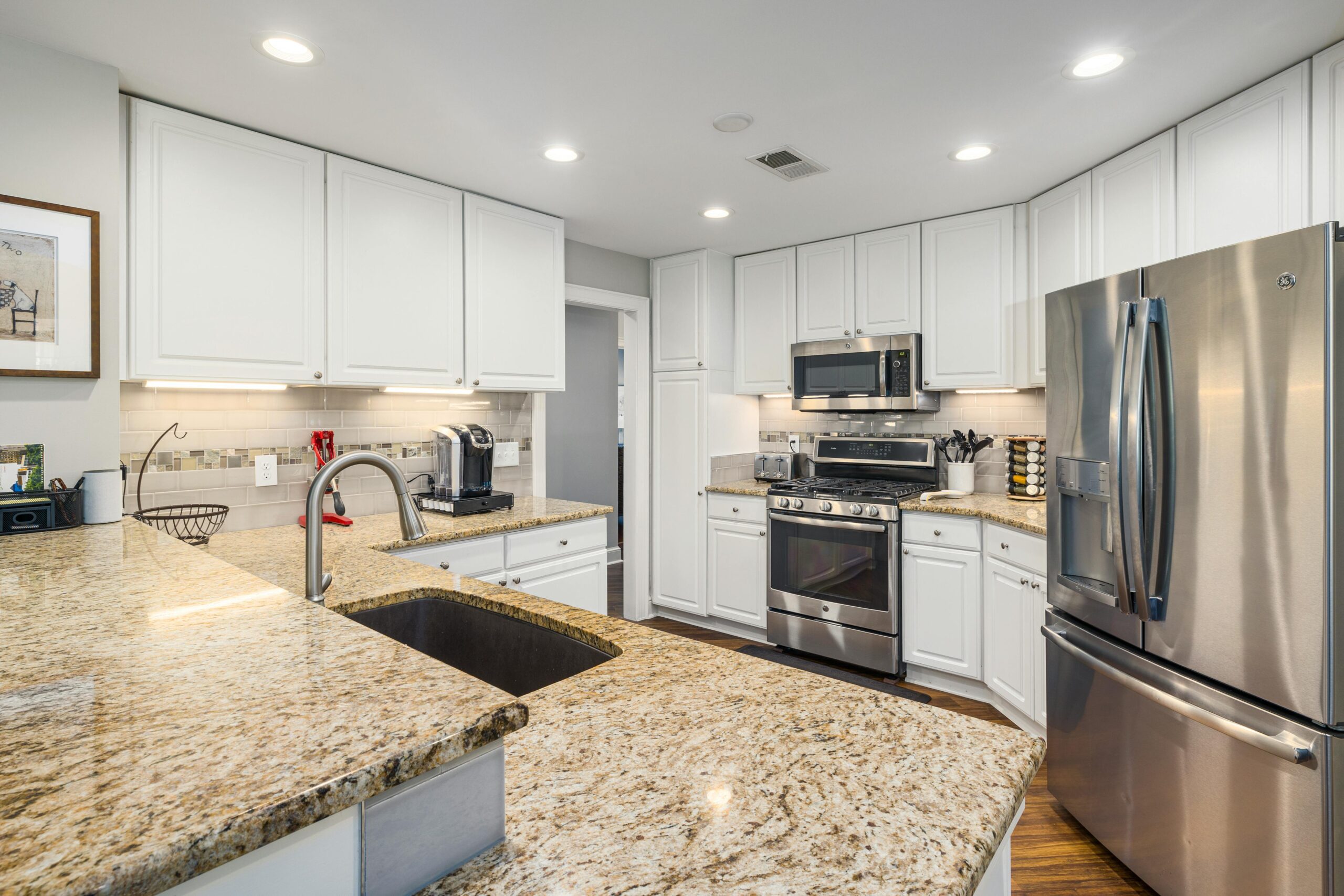
How Much Does a Kitchen Remodel Cost in Hudson Valley, NY?
Wondering what it really costs to remodel a kitchen in Hudson Valley? The truth is, kitchen renovation costs can vary widely based on the size of your space, the scope of work, and the finishes you choose. A small cosmetic refresh might only be a five-figure project, whereas a full high-end overhaul could run into six figures.
Local pricing and seasonal considerations also play a role – for example, labor rates in Hudson Valley may differ from national averages, and scheduling work in winter vs. summer can impact timelines. Most importantly, working with a trusted local contractor is key to getting accurate estimates and avoiding surprises.
Key Takeaways:
- Midrange vs. Upscale Costs: A midrange kitchen remodel in Hudson Valley typically runs about $25,000 to $50,000, whereas an upscale remodel with high-end finishes can easily cost $75,000 to $100,000+. (Local projects tend to fall in these ranges, though very large or historic-home kitchens can exceed this.)
- Biggest Cost Factors: Cabinetry is often the single most expensive component, eating up roughly 25–30% of the budget. Other major factors include your kitchen’s size (more square footage = higher cost), the quality of materials (e.g. custom cabinets vs. stock), and whether you change the layout (moving plumbing or walls drives costs up).
- Return on Investment (ROI): A kitchen remodel adds real value to your home but usually doesn’t recoup 100% of the cost. On average, expect to recoup about 50%–80% of your investment in resale value. Minor, surface-level upgrades tend to yield the highest ROI (often 70%–90%+ recovery) whereas upscale projects recoup a smaller percentage.
- Ways to Save: You can stretch your budget by making smart choices. For example, refacing cabinets instead of replacing them can cost 50–70% less than buying all new cabinetry. Also, opt for quality mid-tier materials that look high-end (such as durable quartz counters instead of exotic marble) to get great visual impact for less.
- Budget Planning: Successful remodels start with good planning. Always get multiple estimates (aim for 2–3 bids from reputable local contractors) for a realistic price range. Set aside a 10–15% contingency fund for surprises or changes mid-project. Choosing a design-build firm (one team that handles design and construction) can help control costs – this integrated approach often means fewer costly change orders during the job.
Average Kitchen Remodel Costs in Hudson Valley, NY (2025)
What do homeowners in Hudson Valley pay on average to renovate a kitchen in 2025? It generally depends on the level of remodel:
Midrange Remodel: Approximately $30,000 – $55,000 – This would cover a standard update of a medium-sized kitchen with quality but not ultra-luxury finishes. For instance, replacing cabinets and countertops, updating appliances, and perhaps minor layout tweaks fall in this range. Nationally, the average mid-size kitchen remodel is around $55,000 according to the NKBA, but many Hudson Valley projects come in a bit lower if the layout stays the same and high-end extras are limited. By comparison, even a minor “facelift” remodel (no layout changes) might be as low as ~$20k–$30k in our area for a small kitchen.
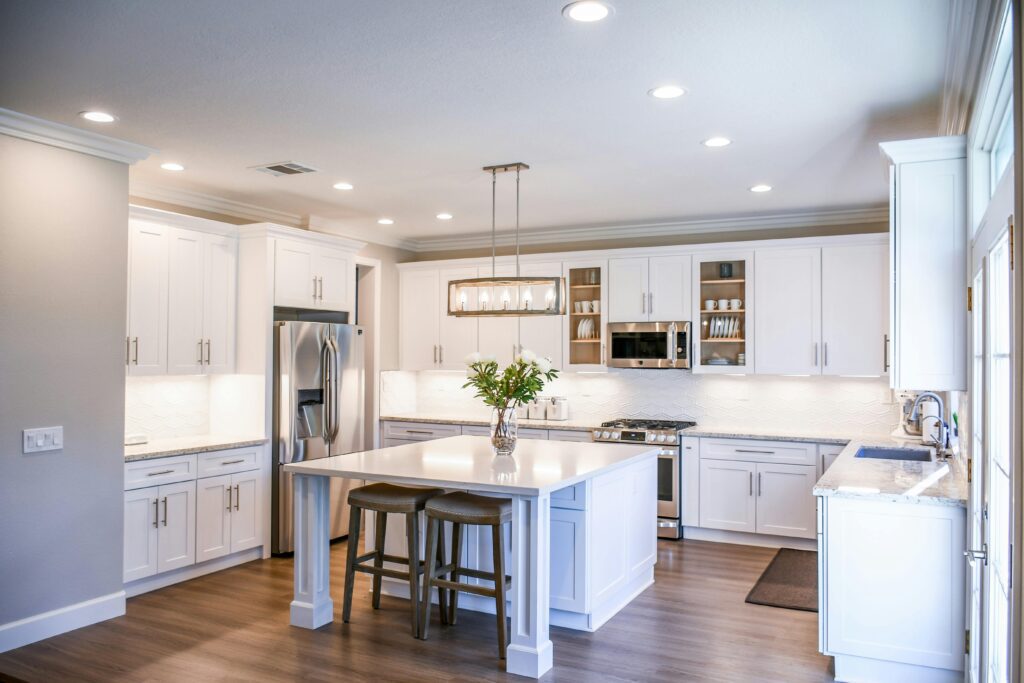
- Upscale Remodel: Approximately $60,000 – $100,000+ – An upscale, major kitchen renovation – think custom cabinetry, premium stone countertops, top-of-the-line appliances, designer fixtures, perhaps even removing walls or reconfiguring the space – will typically start around the low $60ks and can easily cross the $100k mark. In fact, luxury kitchens in high-cost regions can run $125,000 or more.
In Hudson Valley, historic homes or large kitchens with custom design features may incur additional costs (e.g. upgrading old wiring or adjusting to vintage construction quirks). Always factor in a bit extra budget if your home is older; unforeseen structural or code upgrades can add to the total.
How does this compare to national averages? Nationally, a “minor” kitchen remodel averages about $27,000, while a major midrange remodel averages ~$80,000 (and an upscale kitchen remodel around $160,000) according to recent cost surveys. Hudson Valley’s midrange costs tend to be in line with or slightly below those big-city averages, but our upscale projects – especially in higher-end homes – can approach national high-end figures. In short, expect at least a five-figure investment for a full kitchen update, with six figures possible for a top-tier dream kitchen.
Note: If your home is historic or has never been renovated, budget extra. Older Hudson Valley homes may require electrical upgrades, new plumbing, or structural fixes during a kitchen remodel. These necessary improvements add cost but are crucial for safety and building code compliance.
What Factors Affect the Cost of a Kitchen Remodel?
Every kitchen renovation is unique, but several key factors drive the cost. Understanding these can help you adjust your project scope to fit your budget:
Size and Layout of Your Kitchen
It might sound obvious, but the bigger the kitchen, the higher the cost. A small 100 sq. ft. galley kitchen will generally cost far less to remodel than a sprawling 300 sq. ft. open-concept kitchen. Many contractors price partly by size or linear footage – for example, more cabinetry, longer runs of countertop, and additional flooring area all increase material and labor costs. One guideline some use is cost per square foot: A basic remodel might be ~$100–$150 per sq. ft., whereas a high-end remodel could be $250+ per sq. ft.. Thus, a 200 sq. ft. kitchen could range from around $20k on the low end to $50k or more for upscale work.
Layout changes also affect cost. If you keep the same kitchen layout (appliances and sink in the same places), you avoid the expense of moving plumbing, gas lines, and electrical. But if you decide to knock down a wall for an open concept or relocate the sink to an island, expect higher costs for that reconfiguration. Removing or adding walls may require a structural engineer and building permits, adding design and labor fees. In short: larger and more complex = more expensive. Plan your layout wisely, prioritizing functionality but understanding the budget trade-offs.
Level of Renovation (Cosmetic vs. Full Gut)
What exactly are you remodeling? There’s a big difference between a cosmetic refresh and a down-to-the-studs gut renovation. A cosmetic update might involve painting existing cabinets, replacing the countertops and backsplash, and upgrading appliances – without altering the underlying structure. This is significantly cheaper and quicker than a full gut remodel, where you demo the entire kitchen, possibly reframe walls, install new wiring and plumbing, etc.
Cabinetry
Cabinets typically consume the largest chunk of your kitchen remodel budget – often around a quarter to a third of the total cost. This makes sense: cabinets are essentially custom furniture for your kitchen, and you usually need a lot of them. Your choice of cabinet type has a huge impact on cost:
Stock Cabinets:
These are pre-made, standard-sized cabinets (from big box stores or off-the-shelf lines). They are the most affordable option, roughly $100–$300 per linear foot installed. For an average kitchen, stock cabinets might total around $5k–$10k.
Semi-Custom Cabinets:
These offer more styles and sizes, with some customization. They cost more (about $150–$650 per linear foot installed). Many midrange remodels use semi-custom cabinetry, landing in maybe the $8k–$15k range for cabinets.
Custom Cabinets:
Built to order for your kitchen by a cabinetmaker. These have the highest quality and perfect fit, but come at a premium $500–$1,200+ per linear foot. Custom cabinetry can easily exceed $20,000 depending on kitchen size and wood species/finishes – it’s often what pushes upscale kitchens into the high budget range.
Countertops and Backsplash
New countertops will dramatically improve your kitchen’s appearance – and their price tags vary by material. High-end stone like granite or quartz typically costs a few thousand dollars for an average kitchen. For instance, granite countertop installation often ranges around $2,000–$6,000 total for a standard kitchen. Quartz is usually in a similar ballpark as granite. More budget-friendly options include solid surface (like Corian) or laminate, which can be substantially cheaper (hundreds to low thousands of dollars) but won’t have the same durability or luxe look. Butcher block wood countertops are another mid-priced option that can be charming for certain styles.
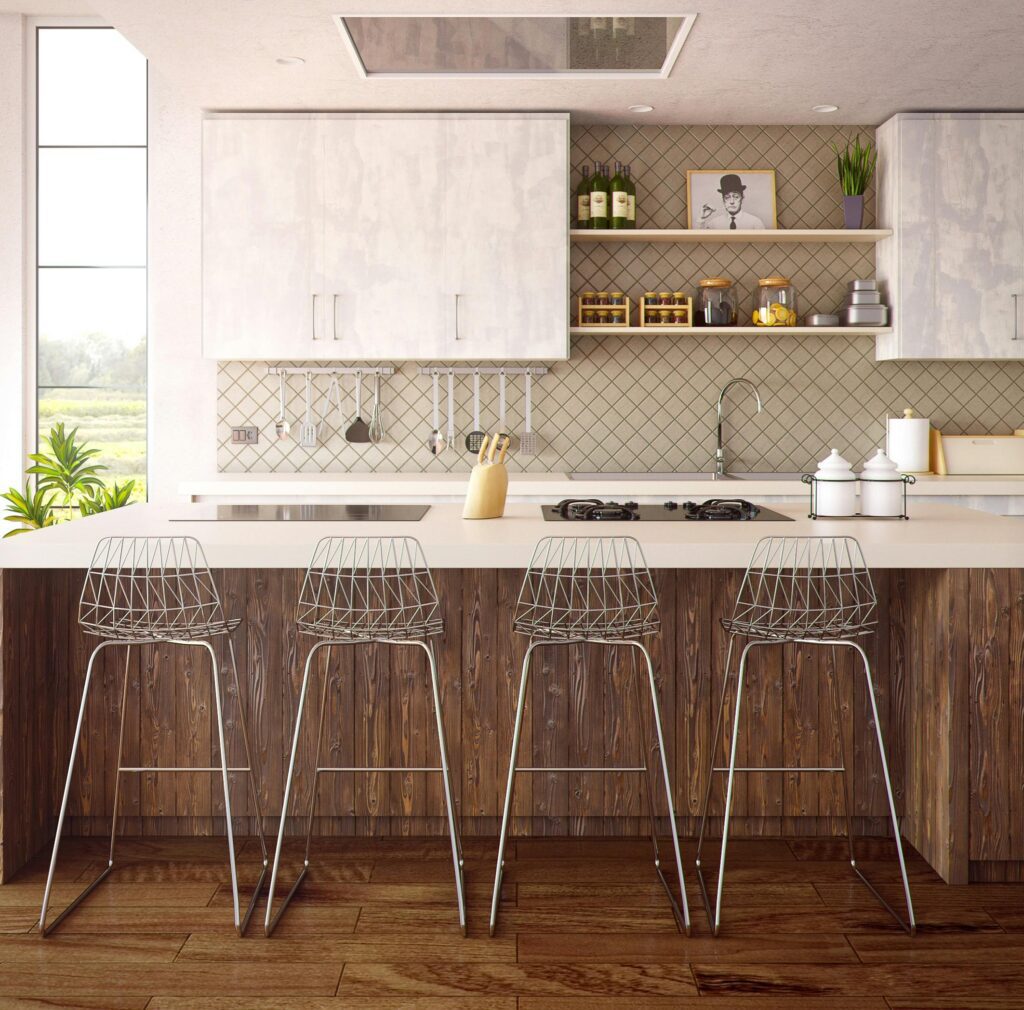
Don’t forget the backsplash – that tiled (or otherwise finished) area between the countertops and upper cabinets. A beautiful tile backsplash adds personality, but it comes with material and installation costs. On average, backsplash installation costs about $500 to $1,700 including materials and labor for a typical kitchen. That assumes something like ~30–40 sq. ft. of backsplash area with ceramic or porcelain tile. Higher-end materials (glass mosaic, stone, custom tile patterns) or a larger coverage area will increase this cost. If you’re on a tight budget, you could opt to install a backsplash later or choose an inexpensive DIY-friendly material (some homeowners even do a painted backsplash or stick-on tiles as a temporary fix). But in most full remodels, allocating a thousand or so for a nice backsplash is well worth the finished look it provides.
Appliances and Fixtures
Upgrading your kitchen appliances is usually part of a remodel. Plan for roughly 10–20% of your budget to go toward appliances (ranges, refrigerators, dishwashers, etc.) depending on how high-end you go. You can certainly spend more if you fancy professional-grade appliances (a large built-in refrigerator alone can be $8k+). But good quality consumer-brand appliance packages (fridge, range, dishwasher, microwave) often run in the $5,000–$10,000 range total.
Choosing energy-efficient, Energy Star-rated models might have a slightly higher upfront cost, but they’ll save on utility bills long term. For example, newer fridges and dishwashers use far less electricity and water than decades-old ones. There’s also some evidence that green upgrades can modestly boost resale value – energy-efficient homes have been found to sell for a few percent more on average. Whether or not it affects resale, efficient appliances are a good investment for your monthly expenses.
Don’t overlook the fixtures: your sink, faucet, lighting, and cabinet hardware. Individually, these items aren’t budget-breakers, but they do add up. A quality kitchen faucet might be a few hundred dollars, a sink likewise a few hundred, and lighting fixtures can range widely in price. These “finishing touches” are important for functionality and style. For instance, investing in a great faucet or adding under-cabinet lighting can hugely improve how your kitchen works day-to-day without a massive cost. When budgeting, set aside perhaps 5% of the budget for fixtures and lighting so you can choose pieces that complement your design.
Labor and Permitting
Labor is a significant part of any remodel budget – after all, skilled tradespeople (contractors, carpenters, plumbers, electricians, tile installers, painters) make your vision a reality. In Hudson Valley, labor rates are generally in line with Northeast regional averages, though hiring a top-notch licensed contractor may cost a bit more per hour than using a handyman. Typically, labor accounts for roughly 30%–40% of midrange remodel costs. It’s often worth investing in experienced local pros who know the building codes and permit processes in our area.
Speaking of permits: any substantial kitchen remodel involving electrical or plumbing changes will require permits from your town or county building department. Permit fees in Hudson Valley for a kitchen remodel usually run a few hundred dollars up to around $500–$1,500 depending on the project’s scope and the municipality. For example, the Town of Poughkeepsie might calculate the fee based on project cost or square footage. Simpler updates (like replacing countertops or flooring only) might not need a permit, but things like moving plumbing lines, adding new electrical circuits, or structural changes definitely do. Permit costs are generally a small fraction of the project but must be factored in, and the process can add some time (inspections at various stages). A good contractor will handle pulling permits and schedule inspections as part of their service – confirm this is included in your contract. Bottom line: Don’t skip permits; they are legally required for safety and will protect you when it comes time to sell your home.
How Much Value Does a Kitchen Remodel Add in Hudson Valley?
Kitchen renovations are consistently one of the best home improvements for boosting resale value. Buyers love an updated kitchen – it’s often said that kitchens sell homes. But realistically, you should not expect to make a profit on a remodel. The increase in home value is usually less than what you spend; the benefit is you get to enjoy the new kitchen now and appeal to future buyers later.
So, what kind of return on investment (ROI) might you see? It varies by the type of project:
- Midrange Remodel ROI: Commonly around 50%–70% of the cost added to your home’s value. For example, if you spend $50k on a moderate remodel, your home’s value might increase by $25k–$35k. (Plus, it may help your home sell faster or avoid buyer requests for upgrades.)
- Minor Upgrade ROI: Smaller improvement projects can recoup a higher percentage – sometimes 70% to 90%+. For instance, spending $15k on new cabinet faces, appliances, and fresh paint might add $10k–$15k in value. According to the National Association of Realtors, minor kitchen projects tend to have extremely high appeal to buyers relative to their cost.
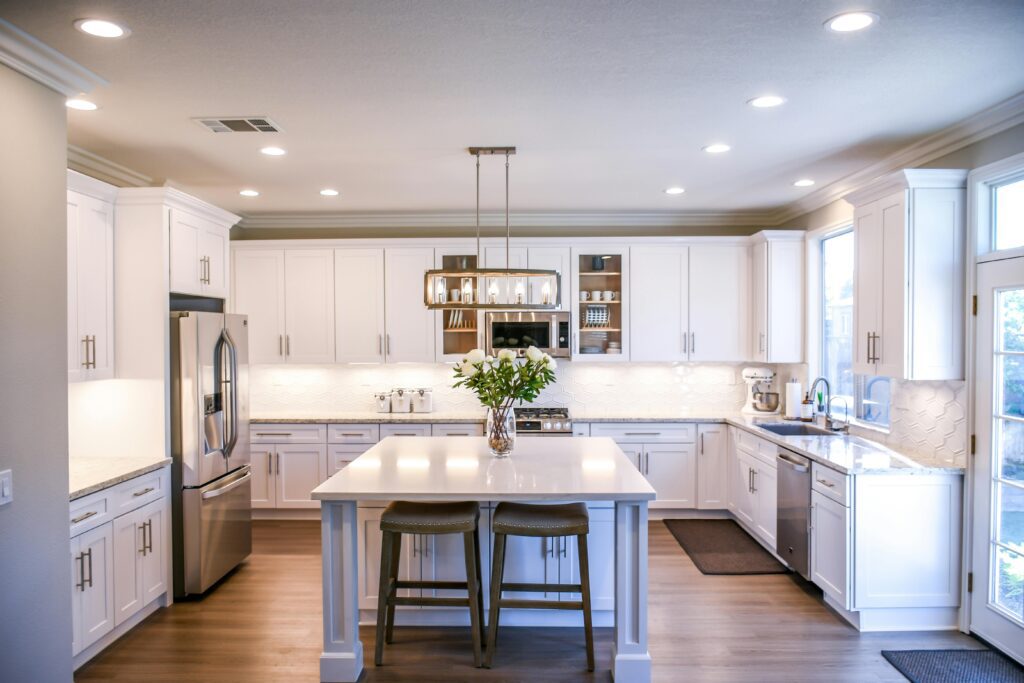
Upscale Remodel ROI: High-end kitchen renovations might see roughly 50% or even less of the cost recovered in value. If you put $100k into a deluxe kitchen with professional appliances and custom everything, don’t expect your home value to jump by $100k – the market may only value it $50k-$60k higher, because there is such a thing as “over-improving” for the neighborhood. Upscale kitchens are fantastic to enjoy, but their ROI is a bit lower percentage-wise.
On average, studies (like Remodeling Magazine’s Cost vs. Value report and NAR surveys) show a kitchen remodel will recoup about 60%–70% of its cost in increased home value. For Hudson Valley specifically, where many homes are older, a modernized kitchen can make your property much more attractive to buyers. It might not dollar-for-dollar pay back, but it can help your home stand out in the market and potentially lead to a quicker sale or higher offer compared to if the kitchen were outdated. As one national Realtor® study noted, the average cost recovery for a kitchen remodel is about 67% – a solid return relative to most other home projects (few renovations recoup 100%; kitchens and bathrooms come close).
Tip: Focus on upgrades that buyers value: quality cabinets, ample counter space, good lighting, and new appliances. You don’t have to install super luxury features – a sleek, functional midrange kitchen often impresses buyers as much as a top-tier one. And if selling is on the horizon, consider that minor cosmetic improvements can yield the highest ROI. Sometimes just freshening up the space (new hardware, modern light fixtures, a coat of paint, etc.) gives you more bang for your buck in resale than a complete overhaul. It’s all about balancing what you want to enjoy as the current homeowner and what makes financial sense for future resale.
For a deeper dive into smart renovation choices, check out our related post on the “Smartest Upgrades Before Selling Your Home”, where we discuss which kitchen improvements tend to pay off the most.
Budget Planning Tips from Local Experts
Embarking on a kitchen remodel can feel overwhelming, but proper planning will keep you on track. Here are some budget-planning tips straight from our Hudson Valley design-build team and other local experts:
- Always Include a Contingency Buffer: No matter how detailed your plan, expect a few surprises once work begins – maybe that wall hiding old wiring that needs replacement, or a change in product availability. Set aside about 10–15% of your budget as a contingency fund.
- Get Multiple Detailed Estimates: Don’t rush to hire the first contractor you speak with. It’s recommended to get at least 2–3 written estimates from reputable local contractors for your project. Make sure each estimate is based on the same scope of work so you can truly compare “apples to apples.” Reviewing multiple bids not only gives you price options but also helps you gauge different approaches.
- Prioritize Your Wish List: At the planning stage, list out your “must-haves” vs. “nice-to-haves.” If the estimates come in over budget, you’ll need to make choices. Invest in improvements that have lasting value – for example, quality cabinets, good layout design, and proper lighting.
- Work With a Design-Build Firm: If you’re concerned about staying on budget, consider a design-build contractor (one firm handles the design and construction). This approach can streamline the process and reduce costly changes because the designers and builders are on the same team from the start. In fact, the design-build model often results in fewer change orders and budget overruns during construction.

- Timing and Scheduling: Plan your remodel for a time that makes sense financially and logistically. For instance, attempting a renovation right before major holidays or events at your home can add stress and temptation to rush (which can incur extra costs).
In summary, clear communication and planning are your best allies. Establish your budget early, share it openly with your contractor/designers, and maintain a little flexibility for the unexpected. When you plan methodically, you’re far less likely to face unpleasant financial surprises mid-remodel.
For more, see our guide on “Home Remodeling on a Budget: 7 Smart Ways Dutchess County Homeowners Are Saving Big,” which covers additional tips on financing, DIY vs. pro work, and getting the most value out of your renovation.
Ready to Start Your Kitchen Remodel in Hudson Valley?
Renovating your kitchen is a big undertaking, but with the right preparation and team, it’s absolutely achievable within your budget. The key is to educate yourself (as you’re doing now), plan carefully, and work with professionals who prioritize your vision and financial comfort. Here in Hudson Valley, there are plenty of experienced contractors familiar with local homes – be sure to choose one you trust and communicate well with.
At Chiusano Design Build, we’ve helped many Hudson Valley homeowners design their dream kitchens while keeping costs under control. We believe you don’t have to overspend to get a beautiful, functional result. Our design-build approach means we handle everything from initial design plans and permits to the final construction – ensuring your project stays on schedule and on budget. It’s totally possible to enjoy a stress-free kitchen remodel when you have the right team in place.
Ready to take the next step?
If you’re excited to explore what your kitchen could become, we invite you to schedule a free kitchen design consultation with Chiusano Design Build. We’ll discuss your ideas, provide a ballpark cost range tailored to your needs, and guide you through the process with no obligation. Let’s work together to make your dream kitchen in Hudson Valley a reality!
(Get in touch with us today through our Kitchen Renovation Service Page or Contact Us page to start planning.)
Kitchen Remodel Cost FAQs
What’s the most expensive part of a kitchen remodel?
Cabinets—often 25–30% of the budget. Next: countertops and appliances. Structural changes can spike costs, but in a straightforward job, cabinets take the largest share.
Is it cheaper to renovate a kitchen in phases?
Usually no. Phasing spreads payments but adds repeat setup costs and risks price increases. It’s viable for cash flow—just plan each phase to be standalone and minimize rework.
How long does a kitchen renovation take in Hudson Valley?
Roughly 8–12 weeks of construction once materials are on site. Small updates: 4–6 weeks. Large/complex: 3–4 months. Permitting/design can add extra time—ordering early helps.
Can I remodel a kitchen for under $25,000?
Yes, for a modest scope. Keep the layout, focus on cosmetic upgrades (paint/reface cabinets, budget counters), and selectively replace appliances. Mix DIY with pro work to save.
Do I need a permit?
Yes for plumbing, electrical, or structural changes. Surface-only swaps may not require one—confirm with your town. Permits (typically a few hundred dollars) ensure code compliance; many contractors handle this.