
Avoid These 7 Common Remodeling Mistakes
“Our remodel looked picture-perfect on paper—until reality hit us with a few expensive lessons.” That’s how I felt mid-renovation, stepping over drywall rubble to make coffee in a bathroom sink. My family and I recently remodeled our Dutchess County home, and yes, we made our share of mistakes (three of the seven below, to be exact). The good news? You don’t have to learn the hard way like we did. In this guide, we’ll share those lessons and how you can avoid the budget busters, delays, and regrets that plague so many remodeling projects.
We speak from experience as local homeowners and as remodeling professionals. Dutchess County offers unique challenges – historic homes with quirky old wiring, strict town permit rules, and a climate that doesn’t always cooperate. Consider this your preventative checklist for a smoother renovation. Learn from our missteps and plan your remodel with eyes wide open.
Related: Thinking of Remodeling Your Dutchess County Home?
Key Takeaways:
- Budget for the unexpected. Don’t rely on rosy online estimates – always build in a 15–20% contingency fund for hidden costs (permits, surprise repairs, etc.). This cushion can save you from scrambling if, say, you open a wall and find ancient wiring.
- Pad your timeline. If you think your project will take 3 months, plan on 6. Weather delays, back-ordered materials, and busy contractors are common in Dutchess County’s seasonal climate. A “worst-case” timeline keeps you sane when inevitable delays happen.
- Function over form. It’s easy to get seduced by a gorgeous design that isn’t practical day-to-day. Don’t skimp on outlets, lighting, or storage for the sake of style. Design your space around how you live first – you can make it pretty later.
- Choose contractors wisely. The cheapest bid or the first contractor available can lead to nightmare results. Always hire a licensed, insured contractor with local experience and solid references. Check credentials and don’t ignore red flags like vague quotes or poor communication. (See our guide on How to Choose the Right Remodeling Contractor in Dutchess County for a deep dive.)
- Don’t bypass permits or inspections. Skipping the permit may save time now, but it risks legal trouble, failed inspections, or even having to tear out work later. Likewise, get a structural/home inspection before you start tearing things apart – it’s far better to find and fix issues before they derail your project.
With those big-picture tips in mind, let’s break down the seven most common remodeling mistakes and how to avoid them, one by one.
Mistake #1 – Underestimating the True Cost
Sticker shock is real. One of the biggest mistakes is assuming the project will only cost what your contractor’s initial quote or a home-improvement website says. In reality, renovations nearly always cost more due to regional factors and “hidden” expenses. For example, building permits alone can add hundreds or thousands of dollars. In one New York village, the permit fee is $100 plus $20 for every $1,000 of project cost – meaning a $100,000 renovation owes about $2,100 just in permit fees. If you didn’t budget for that, it’s coming straight out of your contingency (if you even have one). And permits are just the start. Unexpected issues like mold, old wiring, or structural repairs can quickly pile on extra costs.
We learned this the hard way. Halfway through our remodel, we uncovered leaking old plumbing behind a wall – a pricey fix not in the original quote. The lesson? Always budget 15–20% extra for surprises. Seasoned renovators insist on a healthy contingency fund because unplanned problems will pop up. In fact, one design expert noted her standard 20% contingency “blew quickly” due to things you can’t foresee (bad weather, rising material costs). Without a buffer, you might have to cut corners on finishes or, worse, run out of money mid-project.
Finally, be wary of lowball bids. Choosing the lowest estimate to “save money” often backfires – shoddy workmanship and cheap materials lead to costly fixes later. A national survey found 13% of homeowners regretted using cheap materials and 15% regretted hiring the wrong contractor for their remodel. Quality work isn’t cheap, and cheap work isn’t quality. It’s better to invest in a trusted local remodeler who does it right the first time. In short: expect to spend more than the initial price tag. If you come in under budget, you’ll be happily surprised – but if you go over (like many do), you’ll be prepared.
Related: 7 Smart Ways Dutchess County Homeowners Are Saving Big
Mistake #2 – Not Planning for Delays
In TV remodels everything happens on schedule – real life is rarely that kind. Failing to pad your timeline is a mistake that can leave you frustrated when your “three-month project” is still unfinished at month six. Our region’s realities often don’t match optimistic plans: weather can halt work, materials get back-ordered, and good contractors juggle multiple jobs. For example, Dutchess County winters will slow you down – you can’t pour concrete on frozen ground or install a roof during a blizzard. Construction industry research shows bad weather delays about 45% of projects worldwide, costing time and money. The Northeast, in particular, is hit hard by winter storms, leading to work stoppages as crews wait out snow and ice. We certainly saw this; a mid-project ice storm meant our crew couldn’t work for a week.
Shipping and supply chain holdups are another common culprit. That custom tile from overseas might take 12 weeks instead of 4. And don’t forget permit approvals – one slow permit can stall your whole schedule. (One real estate expert quipped that even a simple permitting delay “will lengthen project timelines and impact the bottom line.”) The point is, build a “worst-case” timeline with generous slack. If you need the renovation done by Thanksgiving, plan for Christmas. Contractors often recommend doubling your expected timeline, especially for extensive renovations.
Pro tip: start planning well before you swing a hammer. Order materials early (long lead items like windows or cabinets can surprise you with delays), and line up contractors and permits ahead of time. It’s better to wait for everything to be ready than to demo your kitchen and then sit idle for weeks. We now plan projects assuming delays will happen – and we’re far less stressed (and surprised) when they do.
Related: When Is the Best Time to Start a Home Renovation Project in Dutchess County, NY?
Mistake #3 – Prioritizing Aesthetics Over Function
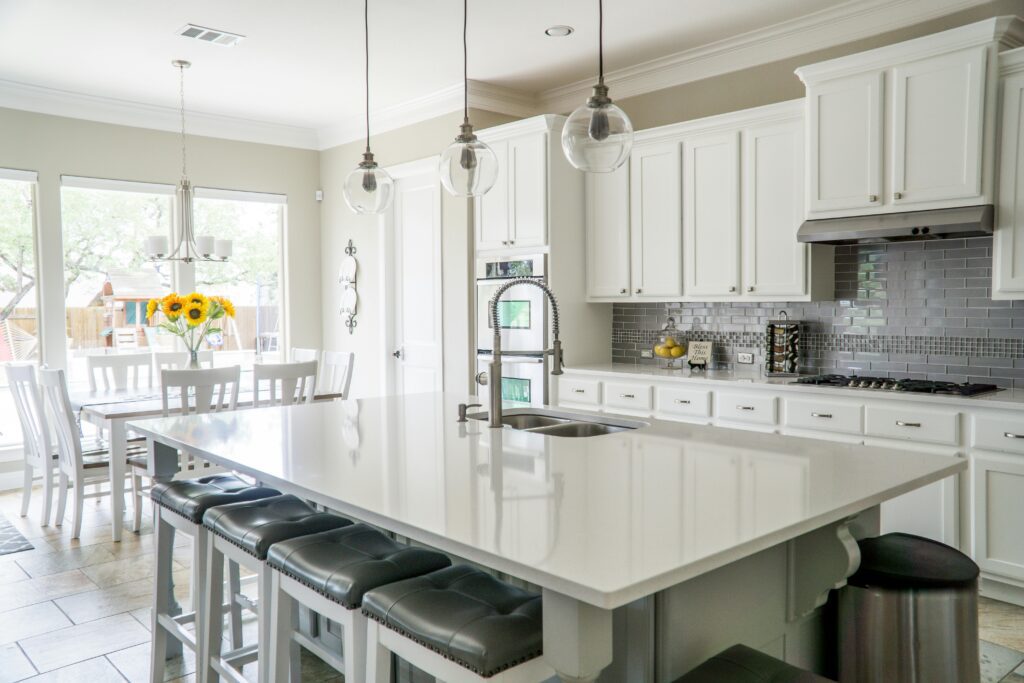
A remodeled space should look amazing, but looks won’t matter if it doesn’t function well for daily life. One common mistake is being so focused on aesthetic “wow factor” that you overlook practical details like storage, layout flow, lighting, and outlets. We get it – you fall in love with a design magazine kitchen or an open-concept layout on paper. But if that glossy design doesn’t suit your family’s needs, you could end up with regrets (and expensive changes later).
Personal example: We designed a stunning open shelving system for our kitchen – it was beautiful, but we misjudged how much storage we needed for actual dishes and pantry goods. We ended up scrambling for space because closed cabinets (far less trendy) were in short supply. Another mistake we made was not double-checking our lighting plan. We had plenty of recessed lights for ambiance, but initially forgot task lighting over key work areas. Cooking in your own shadow isn’t fun!
These may sound like small oversights, but they impact day-to-day happiness. We’re not alone – a UK renovator admitted she meticulously planned her electrical layout but still ended up with outlets in inconvenient places and not enough where she really needed them. “It’s the little things that make home life easier,” she lamented, noting she wished she had added more well-placed sockets. The takeaway: design for your lifestyle first, looks second. Think about how you’ll use the space: Are there enough outlets where you charge devices or plug in appliances? Is there sufficient closet/cabinet space for storage? Is the layout practical for movement and furniture placement? A gorgeous layout that lacks these essentials will quickly frustrate you.
So by all means, chase your Pinterest-worthy vision – but run it through a reality filter. Walk through the plan in your mind as if you’re living in it: where do you drop your keys, do laundry, prep meals? Work with your designer to marry form and function. You can have a stylish home and one that serves you well, but function should lead the way.
Mistake #4 – Hiring the Wrong Contractor
Your choice of contractor can make or break your remodel. Unfortunately, many homeowners make the mistake of hiring on a whim or a bargain, only to suffer through poor workmanship, delays, or even scams. In our case, we nearly hired a guy who came highly recommended by a friend’s cousin – but his quote was oddly vague and he took weeks to return calls. Those red flags made us think twice, and thank goodness. We later found out he wasn’t properly licensed for some of the work. Dodged a bullet there!
So how do you avoid the wrong contractor? Start with the basics: licensed and insured only. The Federal Trade Commission warns to “consider only contractors who are licensed and insured,” and to verify those credentials with your state or county. This protects you from liability and ensures the contractor meets minimum requirements. Next, do your homework on their reputation. Ask for references and actually call them. Check online reviews and even your local consumer protection office for any complaint history. A low bid is not worth it if it comes from someone with a trail of unhappy clients.
Be wary of red flags during the bidding and contracting process. Common signs of trouble include: very vague estimates (or ones dramatically lower than others – a sign something’s been overlooked), poor communication or reluctance to answer questions, and any contractor who refuses to put the agreement in writing. According to seasoned remodelers, warning signs also include contractors who demand a huge upfront payment or pressure you into quick decisions.

Trust your gut – if a contractor is hard to pin down before they have your money, it won’t improve after. Quality contractors will provide a detailed written contract, including scope of work, materials, timeline, and payment schedule, as required by New York law. They’ll also be transparent and communicative – if you’re chasing them for info now, consider how it’ll be mid-project.
Bottom line: take your time choosing the right pro. Get multiple bids, compare them carefully (they should be apples-to-apples on scope), and don’t automatically choose the cheapest. Verify licenses/insurance, and select someone with strong local experience in Dutchess County (they’ll know local codes, permit offices, and common older-home issues). For a deeper guide on vetting contractors, check out our post “How to Choose the Right Home Remodeling Contractor in Dutchess County” (full of tips on what to ask and look for). It could save you from a renovation nightmare.
Mistake #5 – Not Pulling the Right Permits
Skipping permits might be the most tempting shortcut – who loves paperwork and fees? But not obtaining required permits is a mistake that can haunt you in costly ways. Building codes and permit rules exist for good reasons (safety, quality, and accountability). If you dodge them and get caught, the penalties can far outweigh the hassle of doing it right.
Consider the potential fallout: fines, stop-work orders, and failed inspections. Many local governments impose hefty fines if you’re found building without a permit. These aren’t slap-on-the-wrist amounts – in some places it can be thousands of dollars. For instance, Massachusetts can fine up to $1,000 per day for unpermitted work, and some cities charge triple the normal permit fee as a penalty.
In New York City, a homeowner working without a permit faces fines up to six times the permit cost (up to $10,000). Ouch. Beyond fines, authorities can issue a stop-work order mid-project, leaving your home in limbo until you legalize the work (more delays, more costs). In extreme cases or repeat offenses, they might even require you to tear down the unauthorized work – imagine ripping out that new addition or finished basement because it wasn’t permitted.
Even if you somehow avoid detection during construction, the problems can surface later. Unpermitted renovations can derail a home sale or insurance claim. When you sell, buyers (and banks) often require proof that work was permitted and up to code. If you can’t provide it, you may have to open up walls for inspection or even redo work. Insurance companies might deny claims related to unpermitted modifications. In short, it’s just not worth it. One remodeler put it bluntly: skipping permits often leads to greater expenses later if you’re caught, plus potential legal troubles.
Avoid this mistake: Talk to your contractor and confirm which permits are needed for your project (building, electrical, plumbing, etc.). Each town in Dutchess County has its own building department and code nuances – what’s okay in one village might need approval in another. Trust experienced contractors to pull permits on your behalf, but verify it’s done. It’s ultimately the homeowner’s responsibility to ensure permits are in place. Yes, permits add time and cost up front, but they ensure the work is inspected and meets safety standards. That’s protection you want – for your family and your investment. Our rule: “When in doubt, pull a permit.” It’s far easier than dealing with fines or a failed inspection later.
Related: The Ultimate Home Remodeling Guide in Dutchess County: Costs, Trends, and Tips
(Remember: If you’re unsure about permit requirements, call your local building department. They’re usually happy to advise on what projects need permits in your town.)
Mistake #6 – Skipping a Structural Inspection Before Starting
“We’ll just start the demo and see what we find!” Some homeowners dive into remodeling without a thorough assessment of their home’s condition. That’s a mistake that can blow your budget and timeline when you uncover a major issue mid-renovation. Before any significant remodel – especially in an older Dutchess County home – it pays to get a professional inspection of the structure and systems. This might be a general home inspection, or bringing in a structural engineer for specific concerns (foundation, load-bearing walls, etc.).
Why bother? Because old houses can hide a multitude of sins. A pre-renovation inspection might reveal, for example, that your foundation has cracks or settling, or that joists and beams have damage (from rot or past pests) that compromise structural integrity. These are issues you want to fix first, not accidentally worsen during construction. In our case, we skipped this step and started tearing open walls, only to find some questionable wiring and an old plumbing leak that had caused dry rot in a subfloor. We had to pause and bring in specialists to fix those before proceeding – which definitely was not in our original plan or budget.

Getting an inspection up front can prevent those nasty surprises. A licensed inspector or structural engineer will check critical areas: the foundation, framing, roof structure, electrical and plumbing systems, etc. They can identify any red flags like weakened support beams, outdated knob-and-tube wiring, or mold and termite damage behind walls. For example, if your floors are uneven or doors stick, an inspector might find underlying structural settling that needs addressing before you remodel the kitchen on top of it. Catching these issues early allows you to budget and plan for proper repairs, rather than scrambling mid-project.
Plus, fixing hidden problems now means a safer, longer-lasting renovation. Imagine remodeling a bathroom without knowing there’s a slow leak – you could end up ripping your new work out later to deal with water damage. As one remodeling company advises: “Have your home inspected for common hidden issues before beginning your remodel. This can save you time, money, and headaches down the road.”
In other words, an inspection is like insurance for your renovation. It might feel like a delay, but it’s far better than a catastrophic delay when a surprise pops up. So bring in the pros to examine what lies beneath – you’ll proceed with confidence that your beautiful new remodel rests on a sound structure.
(If you’re not sure where to start, a general home inspector can do an evaluation and suggest if a specialist (engineer, electrician, etc.) should be consulted for any suspected issues. We have a separate post with Home Inspection Tips for Renovators – see our blog for more on that.)
Mistake #7 – Trying to Do It All at Once
When planning a remodel, it’s natural to want to tackle everything and get it over with. Whole-home transformation, one fell swoop! But biting off too much at once can lead to burnout, decision fatigue, and budget overload. We see many homeowners (ourselves included) underestimating the toll of a full-gut, do-everything-now approach. Renovation isn’t just another project – it upends your daily life. If you’re living in the house during construction, doing the entire home at once can be incredibly disruptive. Every room turns into a work zone; there’s no escape from the dust and noise.
Burnout is real. A recent survey of homeowners found more than half experienced “renovation fatigue” – essentially burnout from the stress of a big remodel. Top stressors reported were living through construction (55% of people), project delays (35%), and the overload of constant decision-making (29%). These are exactly the challenges when you try to do it all simultaneously. My spouse and I hit that wall around month 4 of our full-house reno – we were exhausted from making endless choices (tiles, paint, fixtures, you name it) and just the mental load of managing a giant project. We ended up taking a break and phasing some work because it was too much to juggle.
There’s also the financial strain. Renovating the whole house at once means you need the entire budget upfront or available, which can be daunting. While a single large project can be more cost-efficient in some cases (contractors do everything in one go, saving some mobilization costs), it’s also a bigger financial bite all at once. Phasing the remodel (tackling one or two areas at a time) spreads out costs and lets you pay as you go, which many homeowners find more feasible.
So, what’s the right approach? It depends on your situation. If you have somewhere else to live temporarily and the funds ready, doing it all at once will get the pain over faster and give you a cohesive result. But if you’re living in the home and watching the budget, consider prioritizing high-impact areas first (like kitchens or bathrooms) and saving other projects for a second phase. This approach can maintain your sanity and quality of life during the remodel. You’ll have some construction-free space to retreat to, and you won’t be forced into rushing decisions on every room at the same time.
For us, splitting the project into phases was a lifesaver. We did the main living areas and kitchen first, took a breather, then tackled bedrooms later. Yes, the overall timeline was longer, but we remained sane and actually enjoyed the process more. Remember: a home remodel is a marathon, not a sprint. It’s okay to pace yourself. By doing so, you might even make better decisions and avoid costly mistakes born of exhaustion.
Remember, even seasoned homeowners make mistakes – what matters is catching them, correcting course, and sharing lessons learned. Renovating a home is a complex journey, but with smart planning and the right team, you can avoid the major pitfalls. Trust us: a little extra prep upfront leads to a much more rewarding result.
Planning a Remodel in Dutchess County?
Learn From Our Mistakes!
Embarking on a renovation in Dutchess County can feel overwhelming, but you don’t have to go it alone. We certainly learned our lessons, and that’s why Chiusano Design Build is passionate about guiding local homeowners through the process with expertise and care. We’re a Dutchess County design-build firm that’s been through the trenches (in our own homes and with our clients) – and we’re here to help you avoid those common mistakes and have a successful, stress-free remodel.
From day one, our team will help you plan realistically – from establishing a proper budget with contingencies to creating a timeline that accounts for permits, weather, and lead times. We emphasize transparent communication, so you’ll always know what to expect at each stage. Our designers prioritize both form and function, ensuring your new space is beautiful and practical for your lifestyle. And when it comes to construction, we handle all the permitting and inspections by the book, so you can have peace of mind that everything is up to code.
In short, we strive to make your renovation enjoyable (yes, it’s possible!). Our own hard-won experiences have become the foundation of expert advice we give to clients every day. If you’re planning a remodel in the Hudson Valley area, let us put that knowledge to work for you.
Ready to turn your remodeling vision into reality – minus the pitfalls?
Reach out to us at Chiusano Design Build for a free consultation or estimate. We’d love to talk about your project, share more tips, and show you how a well-planned design-build process can save you time, money, and headaches. Renovating your home is a big step, but with the right partner, it can also be one of the most rewarding investments you’ll ever make.
Let’s learn from those mistakes and create something amazing together. Get Expert Renovation Guidance with Chiusano Design Build – we’re here to help every step of the way.
Remodeling Mistakes FAQs
What’s the most expensive mistake homeowners make during a remodel?
Poor planning—especially underestimating the budget. Hidden costs, scope changes, and contractor issues can push expenses far past expectations. Avoid this by planning thoroughly, adding a 10–20% contingency, getting inspections, and hiring reputable professionals.
Do I need permits for small renovations in Dutchess County?
Usually yes, if the project involves structural, plumbing, or electrical work. Cosmetic updates (painting, fixtures, trim) generally don’t need permits, but rules vary by town. Always check with your local building department—working without permits can lead to fines or resale issues.
How can I find a reliable remodeling contractor locally?
Start with referrals, then verify licenses and insurance. Interview contractors, check references, and review past work. Get multiple written estimates but don’t just pick the lowest bid—choose someone with clear communication, strong credentials, and a track record of satisfied clients.
Should I remodel my whole house at once or in phases?
All-at-once is faster, cohesive, and sometimes cheaper—but disruptive and costly upfront. Phased remodeling spreads out costs and makes it easier to live in the home, though it takes longer and can cost more overall. The best choice depends on your budget, timeline, and tolerance for disruption.