
Basement Finishing Ideas Hudson Valley Families Are Using for Guest Suites, Gyms, and Home Offices
“Hudson Valley families are transforming basements into beautiful, functional spaces—without adding a single square foot to their home.” Basements, once thought of as musty storage or utility areas, are now the untapped potential beneath our feet. With lifestyle needs changing (especially after 2020’s stay-at-home shifts), more homeowners are looking to expand living space within their existing footprint.
Finishing your basement is one of the smartest ways to gain extra room relatively affordably – no new foundation or roof needed – and it can greatly boost your home’s usability and value. In the Hudson Valley, where we cherish both our family time and our property’s historic character, basements are being reinvented as cozy guest suites, personal fitness studios, dedicated home offices, and more.
This guide will walk you through popular basement finishing ideas tailored to Hudson Valley homes, along with design tips to maximize comfort and ROI (return on investment).
Key Takeaways:
- Basement Conversions Are Booming: Converting an underutilized basement into living space has surged in popularity post-2020, as families seek multi-purpose areas for work, exercise, and extended family living – all without expensive additions. It’s often more budget-friendly than building out or up, and it adds valuable square footage.
- Versatile Uses – Guest Suites to Gyms: A finished basement can serve many needs. Guest suite with a bedroom and bath provides privacy for visitors or in-laws. Home gym setups benefit from basements’ cooler temps and secluded feel. Home offices in basements give a quiet work zone separate from household bustle. Media rooms, playrooms, and hobby studios are other beloved options.
- Design for Comfort: Despite being below-grade, basements can be as inviting as any other room. Key design tips include using light colors, ample lighting, and good ventilation to combat any dreariness. Proper insulation and moisture control are critical in the Hudson Valley climate (to keep the space warm and dry).
- Know Code Requirements: Finishing a basement isn’t just slapping up drywall – you must meet building codes for habitable space. This means ensuring adequate ceiling height (typically 7 feet minimum), adding egress windows or doors for emergency escape in bedrooms, and getting the proper permits for any structural, plumbing, or electrical work. Safety first!
- High Value, Good ROI: A well-done basement finish can increase your home’s market value. On average, basement remodeling projects recoup around 70-75% of their cost in added resale value. Perhaps more importantly, they make your home more appealing to buyers looking for flex space (think multigenerational families or remote workers), potentially leading to a quicker sale at a better price.
Let’s explore each aspect in detail, so you can envision the perfect plan for your own basement transformation.
Why Finished Basements Are Booming in Hudson Valley
In recent years, there’s been a notable uptick in homeowners throughout the Hudson Valley investing in finishing their basements. Several factors have fueled this boom:
- Post-2020 Lifestyle Shifts: The COVID-19 pandemic fundamentally changed how we use our homes. Suddenly, houses became offices, schools, gyms, and entertainment centers. Many found they desperately needed more space, and the basement was the logical answer. National trends reflected this, with surveys showing a rise in basement renovations for functional spaces. Here in the Hudson Valley, where work-from-home arrangements remain common and family activities have shifted indoors, finishing the basement has been a game-changer – offering a separate zone for work or play just a staircase away.
- Cost-Effective Expansion: Compared to building an addition onto your home, finishing a basement is usually far more affordable per square foot. The basic structure (foundation, walls, floor, and ceiling) is already there. No need to pour a new foundation or construct a roof – two of the costliest parts of new construction. Essentially, you’re converting existing space rather than adding new. While exact costs vary, estimates often show basement finishing at a fraction of the cost of an above-ground addition. That means homeowners on a budget can gain significant living area without breaking the bank. Plus, you avoid eating up yard space since you’re building inward, not outward.
- Adds Square Footage and Value: Finishing a basement increases your home’s livable square footage, which is a key metric for property value. A 2,000 sq. ft. house with a 1,000 sq. ft. finished basement suddenly becomes a 3,000 sq. ft. home in buyers’ eyes. This can bump your house into a higher price bracket. Many real estate listings in the Hudson Valley highlight finished basements as a selling feature (“+ bonus finished basement with rec room and office!”). According to remodeling data, basement projects often recoup a large chunk of their cost – around 70% on average ROI nationally, and potentially more if you add desirable features like an additional bedroom suite or a separate entrance that could be used for rental income.
- Stay in Character with Historic Homes: Hudson Valley has many historic and older homes (Victorian, Colonial, mid-century) where adding an above-ground extension might be tricky or undesirable (either due to aesthetic, lot size, or historic district rules). Finishing the basement is a clever way to modernize and expand such homes without altering the exterior character. You maintain the home’s look and charm up top, while gaining modern space below. It’s often easier to get approvals for interior basement work than a visible addition if you’re in a regulated historic area.
- Comfortable Year-Round Use: Basements in our region maintain relatively stable temperatures – cool in summer and, with proper heating, cozy in winter. With the right design (insulation, possibly a dehumidifier for summer, etc.), a basement can be one of the most comfortable spots in the house. No scorching summer sun or drafty winter winds. Many families find that a well-finished basement becomes the favorite hangout spot, especially in summer when it naturally stays cooler.
Check out our Basement Finishing Service Page where we outline our approach to basement projects, including waterproofing and design planning (it will have more specifics on process and how we can help).
Basement Guest Suites: Privacy + Comfort for Visitors
One of the top uses for a finished basement in the Hudson Valley is creating a guest suite. Whether you have frequent out-of-town visitors, an adult child home from college, or aging parents/in-laws who stay for extended periods, a basement guest suite offers an ideal blend of privacy and comfort for both them and you. It’s like having a mini-apartment under your roof.
Key features of a great basement guest suite:
- Bedroom Area: This could be a fully enclosed bedroom or a sleeping area separated by a half-wall or screens, depending on layout. If it’s a true bedroom, building code requires it to have an egress window (or door) – essentially, an emergency escape route besides the stairs, usually via a window large enough for an adult to climb out. Installing an egress window means cutting a opening in the foundation wall and adding a window well outside; it’s an important safety upgrade and also brings natural light to the room. The bedroom should comfortably fit at least a queen bed and some storage (closet or wardrobe). Consider built-in cabinetry if space is tight.
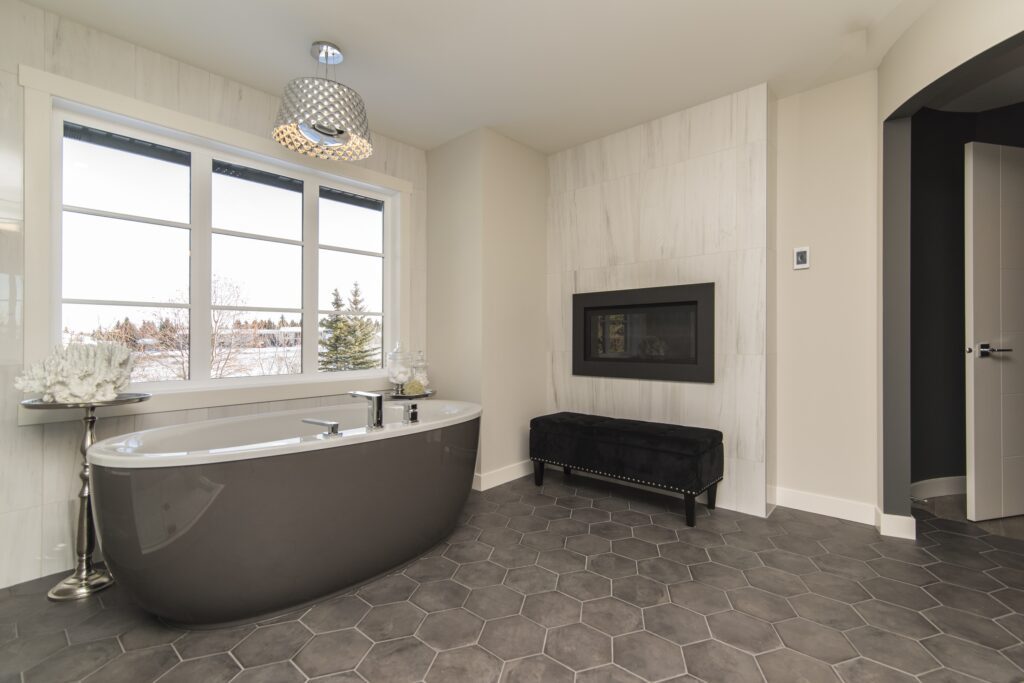
- Bathroom: Adding at least a half-bath (toilet and sink) in the basement greatly enhances a guest suite. If you can manage a full bath with a shower (or tub), even better – it truly becomes a self-contained suite. Plumbing a basement bath often means adding an upflush toilet system or sewage ejector pump if below the sewer line, but it’s quite doable. A nicely finished bathroom with good lighting and ventilation will make guests feel at home. Use features like a glass shower enclosure to open up the space, and perhaps choose classic tile designs that tie with the rest of the house’s style.
Related: How to Plan a Stress-Free Bathroom Renovation in Hudson Valley
- Separate Entrance (Optional): Some basement suites benefit from having a private entrance (like a walk-out basement or adding a side door). This isn’t necessary, but if your terrain allows, it can be a perk for both guests and hosts – guests can come and go without disturbing the household. Even without a door, make the path to the suite as easy as possible – ensure the stairwell is well-lit and safe.
- Comfort Features: Include amenities that make the space welcoming. Think about a small kitchenette or wet bar if guests stay for long periods – a little counter with a sink, mini-fridge, and microwave/coffee station can go a long way (and can be done without full kitchen plumbing complexities if you already have a bathroom sink line). Provide seating – maybe a small couch or armchairs – so guests have a place to relax besides the bed.
- Design and Decor: Just because it’s a basement doesn’t mean it should feel like one. Paint the walls in light, warm colors to make the space feel larger and more inviting. Use ample lighting – a mix of recessed ceiling lights and lamps – since natural light is limited. If the ceiling is a bit low, keep fixtures flush or semi-flush. Choose flooring that is both attractive and suitable for basements: luxury vinyl plank and ceramic tile are popular (both handle potential moisture and come in styles that mimic wood or stone).
Related: Small Bathroom, Big Transformation: Ideas That Work for Hudson Valley Homes
Home Gyms and Wellness Studios
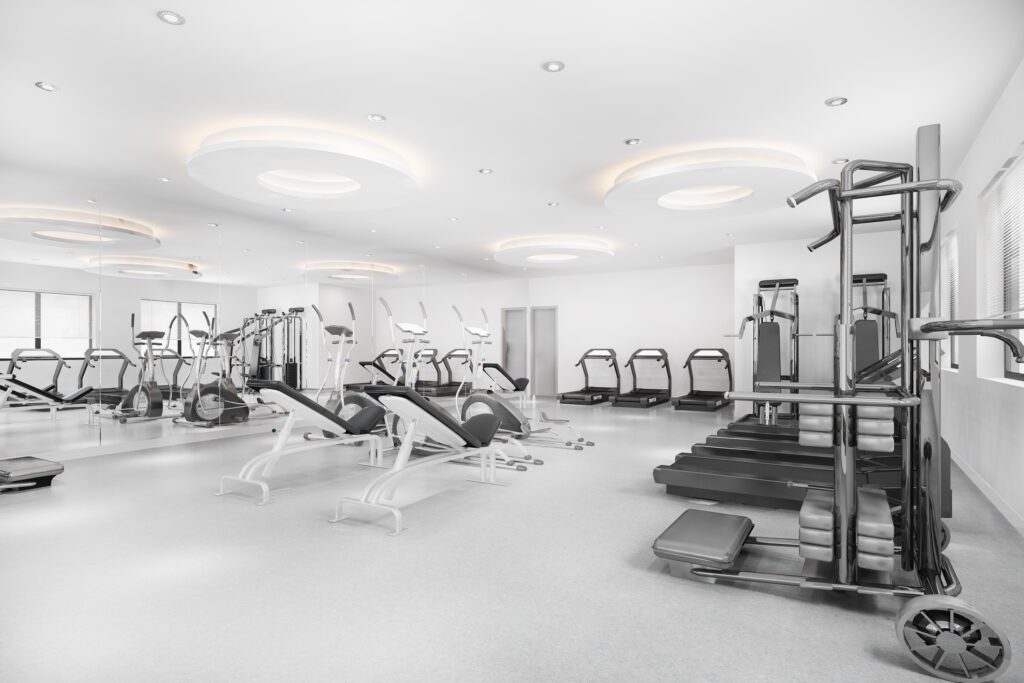
Tired of commuting to the gym or tripping over yoga mats in the living room? A home gym or wellness studio in your finished basement might be the perfect solution. Basements naturally lend themselves to fitness use: they’re tucked away (so you won’t disturb the rest of the house with your Peloton or weightlifting), and you can really customize the space for your workout needs. Here’s how Hudson Valley homeowners are creating basement exercise havens:
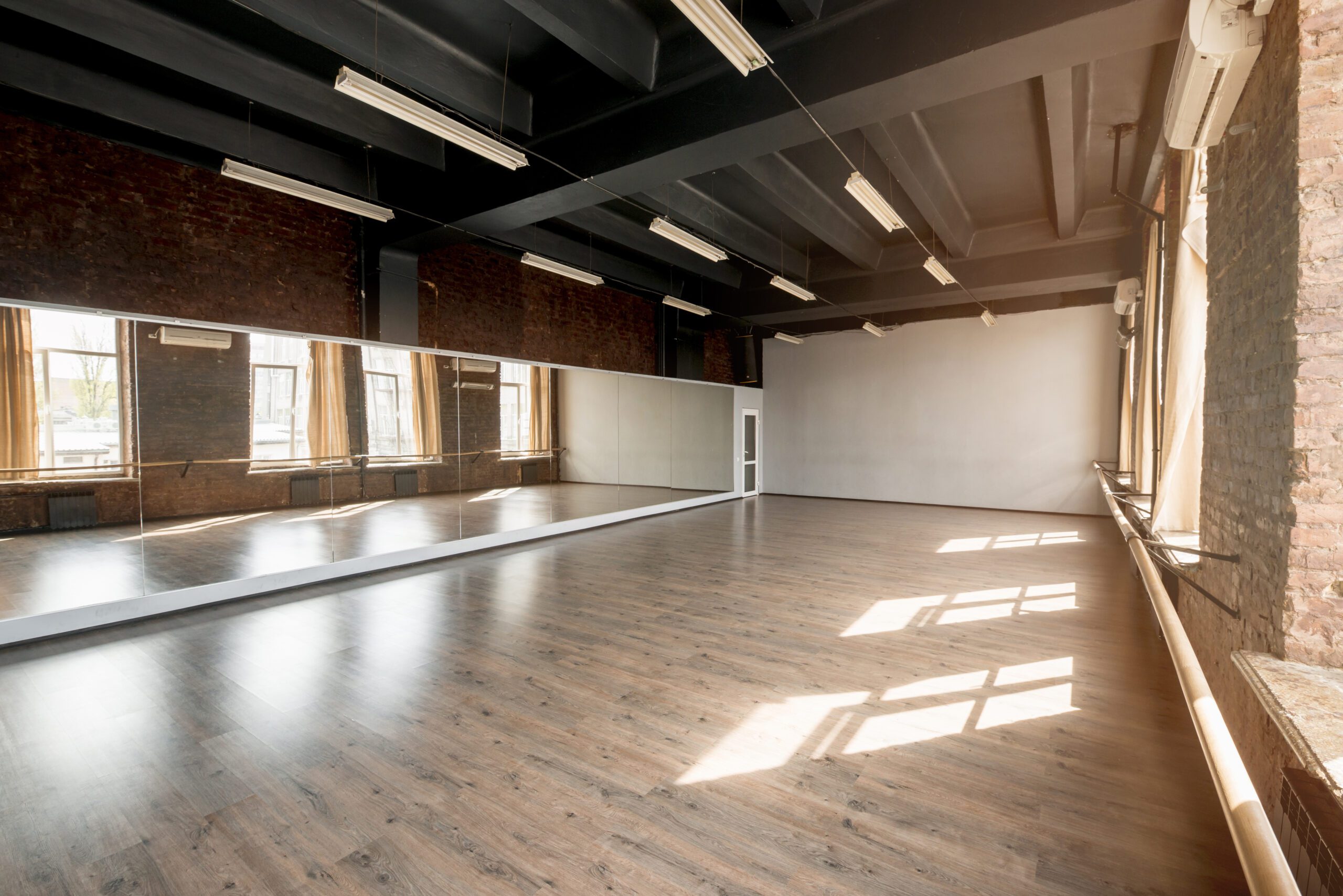
- Rubber or Resilient Flooring: One of the first considerations is the floor. You want something that can handle impact, is easy on joints, and won’t be ruined by a dropped dumbbell. Rubber flooring tiles or rolls are a top choice – they provide cushioning and grip, and protect the concrete subfloor. They also insulate sound a bit (useful if you’re doing jump exercises). If you prefer a different look, some people go with luxury vinyl plank (water-resistant and softer than tile) and then use area mats for weight zones. For a yoga or dance studio vibe, you could install a section of sprung wood floor or just lay thick mats.
- Mirrors: Just like a commercial gym or studio, wall mirrors are great to have – they help check form during exercises and also visually enlarge the room. A mirrored wall panel or two can make a big difference in a basement gym, which might otherwise feel cramped. Place mirrors strategically where you’ll be doing most of your routines (behind a weight bench or facing where a yoga mat would go).
- Smart Storage: To keep the area clean and safe, incorporate ample storage for equipment. This could be a simple rack or shelving system for things like dumbbells, kettlebells, and medicine balls. Wall hooks or pegboards are useful for hanging resistance bands, jump ropes, or boxing gloves. If you have larger equipment (treadmill, stationary bike), plan their positions so there’s still room to move around. Built-in closets or niches can hide away smaller gear when not in use, maintaining a tidy look.
- Climate Control: Basements can be chilly in winter and stuffy in summer. For a gym, you’ll want a comfortable, well-ventilated environment year-round. Ensure your HVAC extends to the basement or consider a dedicated unit. You might install a ceiling fan to improve air circulation. Also, think about a dehumidifier in warmer months – keeping humidity in check not only preserves your equipment but also makes workouts more comfortable.
- Lighting and Ambience: Bright lighting is key for safety in a gym – you want to clearly see what you’re doing. Recessed LED lights work well for overall illumination. But you can also have fun with ambiance: maybe install dimmable lights or colored LED strips around the ceiling for when you want a more relaxed yoga session or a high-energy spin class vibe. Some people mount a TV or tablet on the wall for guided workout videos or entertainment during cardio. Speakers or a sound system (even a smart speaker) can pump out your motivational music – having it mounted avoids fiddling with devices mid-workout.
- Specialty Areas: Tailor the space to your interests. If you’re a yogi, create a calm corner with softer lighting, perhaps a tapestry or artwork, and storage for mats and props. If weightlifting is your thing, you might install a squat rack or bench press station – make sure the floor is reinforced or the rubber is thick enough to absorb impact. Into boxing or martial arts? Hang a punching bag (with proper support bracing in the ceiling joists). The beauty of a home gym is it’s yours – no need to accommodate anyone else’s routine or wait for equipment.
- Keep it Inviting: Sometimes basements get a reputation for being dreary, which isn’t motivating for workouts. Counteract that by decorating the space with energizing colors or decor. Maybe paint one wall an inspiring color or hang up posters/art that motivates you. Some plants (real or faux) can also freshen up the atmosphere – just be mindful of low light for real ones.
The Ultimate Basement Home Office
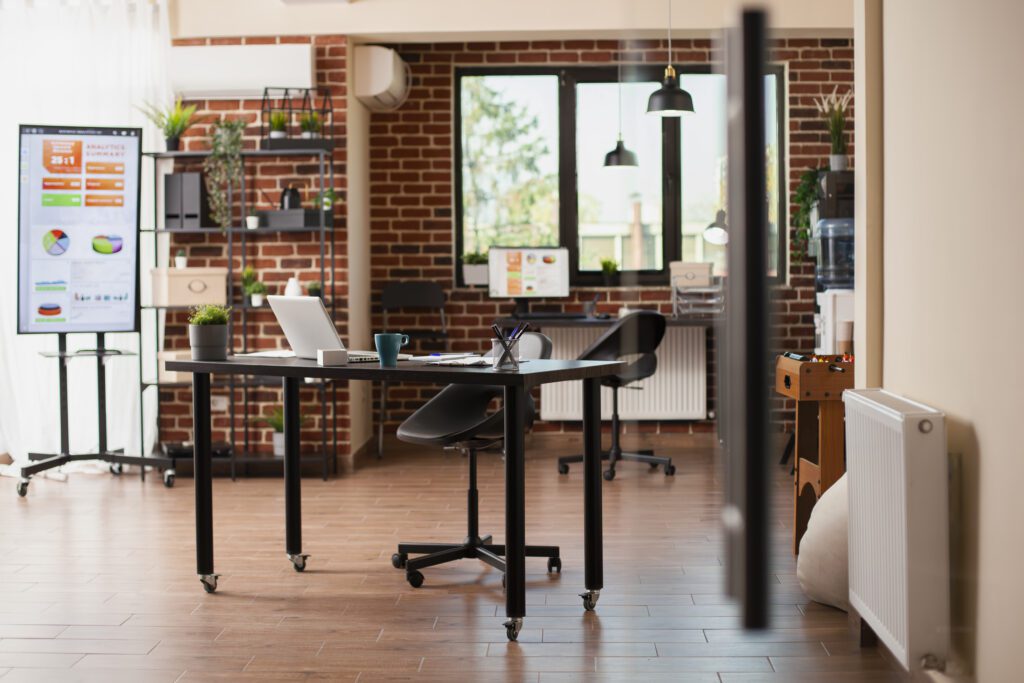
Another hugely popular basement upgrade – especially since the rise of remote work and hybrid schedules – is the home office. If you’ve been working at the dining table or carving out a corner of your bedroom, you know it’s not ideal. A basement home office can provide a quiet, focused environment separate from the living areas, helping delineate work and home life. Here’s how to make an awesome basement office:
- Dedicated Space: First, truly make it a dedicated office area – a separate room if possible. If your basement is large and open, consider putting up a wall or room divider to create a defined office. This psychological separation is key for productivity (and for shutting the door on work at the end of the day!). Having an enclosed office also allows you to hold Zoom meetings or phone calls without household noise interference.
- Built-in Storage and Organization: A clutter-free office reduces stress. Install built-in shelving or cabinets to store files, books, and supplies. Basements often have nooks under stairs or along walls that can be turned into storage. Consider a closet with shelving for things you don’t use daily.
- Lighting for Work: Good lighting is crucial since basements have limited natural light. Use a mix of overhead lights and task lighting. Overhead, aim for a bright but not harsh level – LED recessed lights with a cool white color temperature can simulate daylight and help you stay alert. Then add a quality desk lamp or two for task lighting on your work surface.
- Ergonomic Layout: Design the space for health and comfort. Choose a good office chair – ergonomic with support – since you might be sitting there for hours. Ensure your desk is at the right height, or use an adjustable sit-stand desk for flexibility. If multiple family members will use the office (or if it’s also a study area for kids), plan a layout that might accommodate two workstations.
- Neutral, Inspiring Design: Since this is a professional space, a neutral color palette often works best – think light grays, soft blues, warm whites or light greens. These colors are calming and won’t be distracting on video calls. You can always add pops of color through artwork, a pinboard, or a rug. Personalize it enough that you feel motivated in the space – hang diplomas, project boards, or inspirational prints.
- Tech and Power: Work with your electrician to ensure plenty of outlets in convenient locations (around the desk perimeter) for computer, monitors, chargers, etc. Hardwire an internet line to the office if possible – basement walls can sometimes weaken Wi-Fi, and having a stable connection is gold for video meetings and large file uploads. If hardwiring isn’t feasible, consider a mesh Wi-Fi system with a node in the basement office.
- Comfort Considerations: Since you might spend 8+ hours a day here, ensure good ventilation (fresh airflow to keep you alert) and perhaps a small space heater at your feet if basements run cold – or better yet, integrate heating like a baseboard or split unit that you can control for that room.
Bonus Basement Uses Hudson Valley Homeowners Love
Beyond guest suites, gyms, and offices, there are plenty of other creative ways to use a finished basement. The flexibility of the space allows you to tailor it to your family’s interests. Here are some bonus basement uses that Hudson Valley homeowners are loving:
Media Room or Home Theater
If you’re a movie buff or sports fanatic, a media room or mini home theater could be your dream setup. Basements are great for this because they’re naturally darker – perfect for video projection or big-screen TVs. You can set up a large TV or projector with surround sound speakers to get that cinematic experience. Add a comfy sectional or a few recliner chairs (even vintage theater seats for fun) and you’ve got a private cinema.
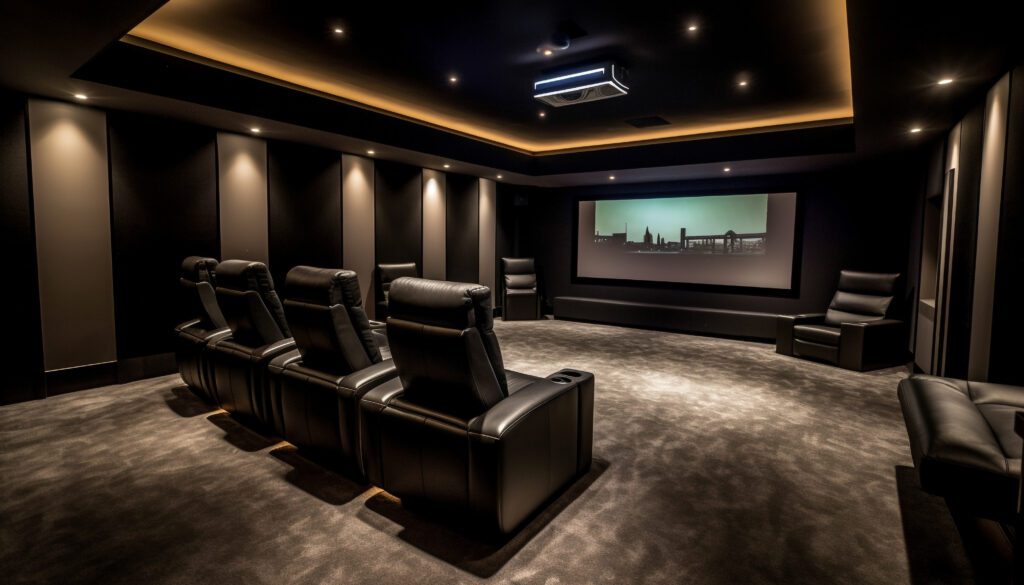
To enhance acoustics, consider installing acoustic panels on the walls or using plush drapes and carpeting. A small platform can create a second row of seating if you have the height. Don’t forget a popcorn machine or snack bar in the corner! This space also doubles as the go-to spot for hosting Super Bowl parties or binge-watching the latest series with friends. Since basements are somewhat isolated from the rest of the house, you can crank up the volume without rattling the dishes upstairs – but still, adding some sound insulation to the ceiling is wise to keep peace with those above.
Kids’ Playroom or Teen Hangout
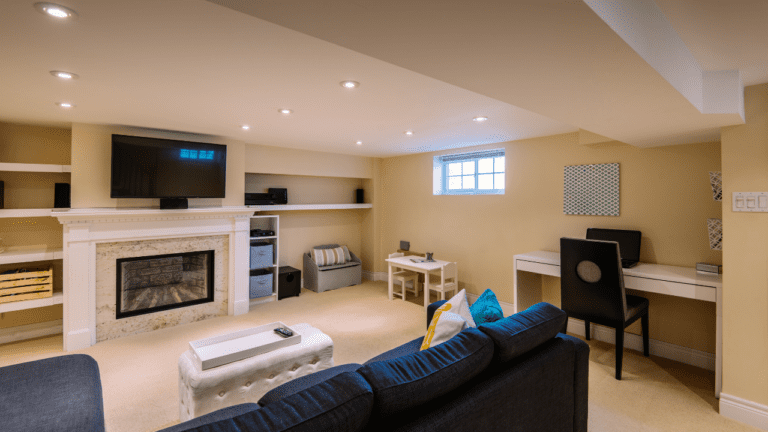
Tired of toys all over the living room floor? A kids’ playroom in the basement can be a game-changer. You can design it as a fun, safe zone for play that keeps the mess (and noise) contained. Use bright, playful colors on the walls or even a mural. Foam tiles or soft carpeting on the floor makes for safe play and easy cleanup. Low shelving units or bins help organize toys, crafts, and games. You could include a chalkboard or whiteboard wall for doodling, a small table for art projects, maybe a little reading nook with bean bags or a play tent.
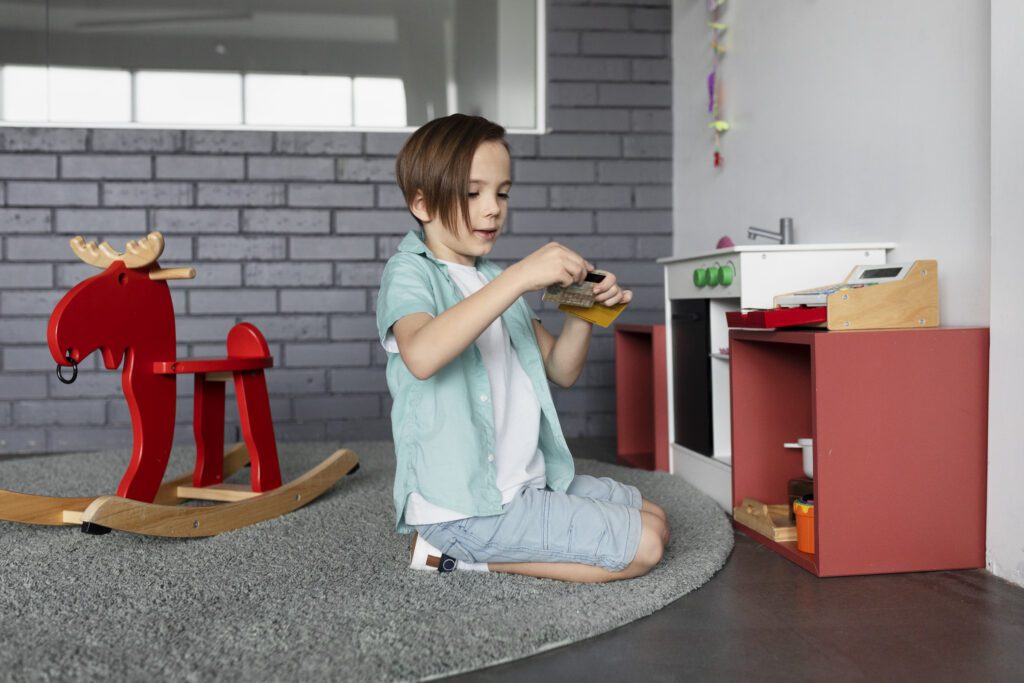
As kids grow, the space can evolve – it might become a teen hangout lounge. Picture a comfy sofa, a TV for gaming, maybe a ping-pong or pool table if space allows, and definitely a mini-fridge stocked with drinks and snacks to make it the cool spot for them and their friends. Having this dedicated space means the rest of the house stays a bit more tranquil. Plus, you know where the kids are – right downstairs. A tip: include lots of outlets for gaming consoles, chargers, etc., and robust Wi-Fi or a wired connection for online gaming or streaming. Designing the basement to be “cool” for teens (maybe LED strip lights, a music speaker system, and some funky decor of their choosing) can make your house the preferred hangout – which parents often see as a bonus.
Craft or Art Studio
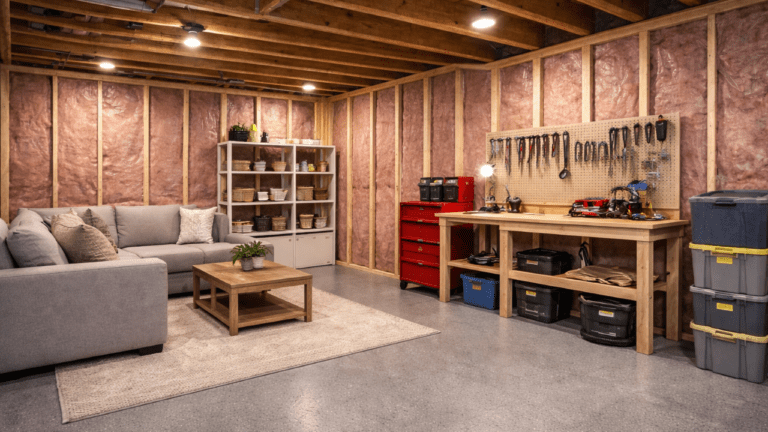
If someone in your household is into arts and crafts – be it painting, sewing, woodworking, or pottery – a section of the basement can become an art studio or craft workshop. Key here is ample work surfaces and storage. You might install a large work table or two, good task lighting (track lights that you can direct to your easel or workbench, for example), and lots of shelving or pegboards to organize supplies and tools. Since you’re in the basement, you don’t have to worry as much about making a bit of a mess. You could even put down a sacrificial floor covering like vinyl or epoxy that can handle paint spills or heavy use. If your art involves fumes (oil paints, wood stain) or dust (sawdust from woodworking), ensure proper ventilation – maybe an exhaust fan or simply the ability to open those new egress windows you installed.
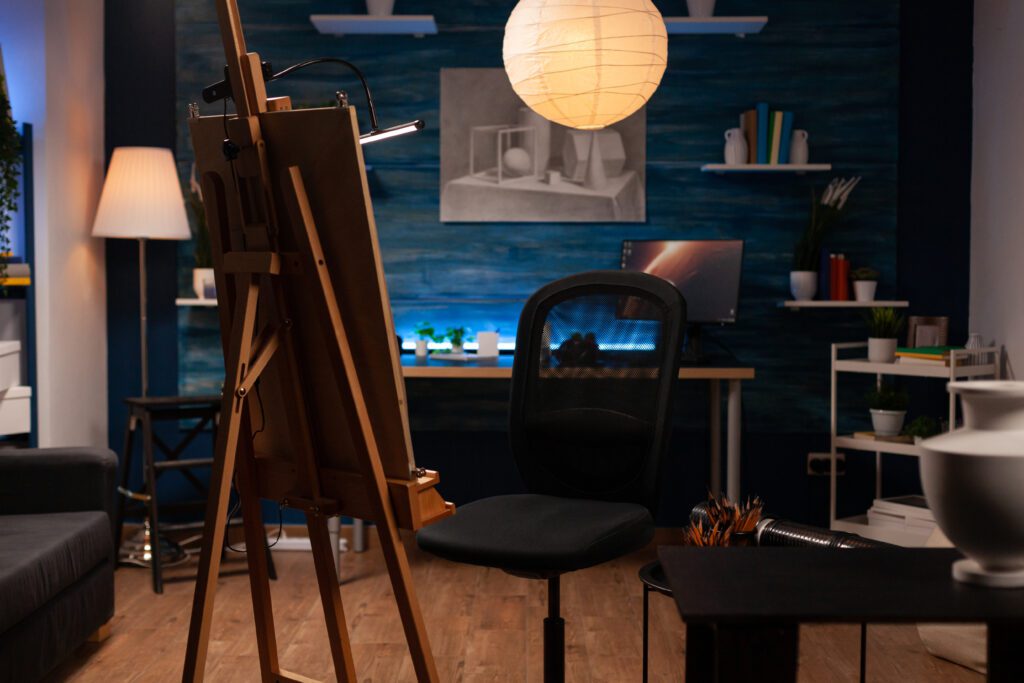
Having a utility sink in the basement is fantastic for washing brushes or cleaning up. Natural light might be limited, but you can use daylight-balanced bulbs to mimic it. A dehumidifier could be needed if storing delicate materials (fabric, paper) to prevent dampness damage. With a basement studio, you get to leave your project out in between sessions without it being in the way of daily life – a huge plus for creative processes. And mentally, going “down to the studio” can help you focus on your art, separate from household distractions.
Game Room with Pool Table or Bar
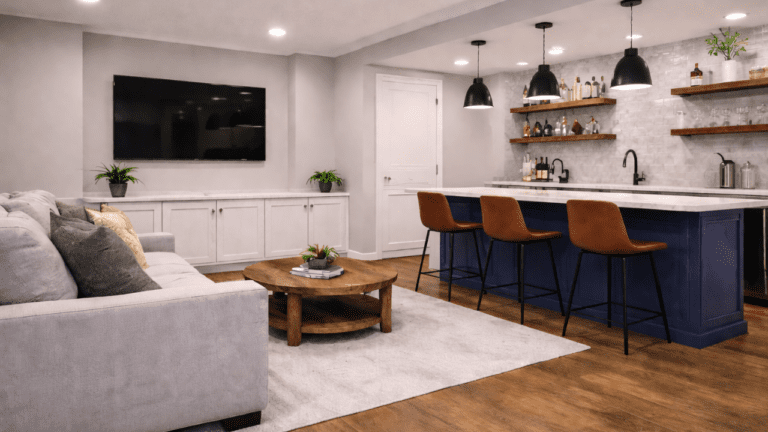
Another fun use is turning your basement into an adult game room or bar area. Think about installing a pool table, foosball, or ping-pong for some friendly competition. Make sure you measure first – a pool table needs enough clearance around for cue sticks (roughly 5 feet on each side). If space is tight, something like a dartboard or arcade machine could fit the bill. Now, add a bar: a wet bar with a sink and mini-fridge is amazing for entertaining. Even without plumbing, a stylish bar cabinet or counter where you can make drinks and serve snacks elevates the basement to party central. You can decorate this area with a pub feel – perhaps reclaimed wood paneling, a TV to watch the game while at the bar, and some stools. Don’t forget ice storage and maybe a wine cooler or beer tap if you want to go all-out. It’s like having a night-out experience without leaving home.

Many Hudson Valley homes are older and might have cool historical touches – maybe you expose some brick or stone foundation wall for character, and build the bar in front of it for a speakeasy vibe. Add a stereo or smart speaker for background music, and you’re set for anything from poker night to a celebratory toast. Lighting can set the mood here: dimmable sconces or Edison bulb string lights can give a cozy tavern feel, while colored LED lights can hype up a party atmosphere. Just be sure any heavy game tables are properly placed (and maybe use an area rug under them for both sound dampening and to protect the floor). With a setup like this, you might host the holidays or gatherings more often – since everyone will want to be in your awesome basement!
These bonus spaces show that the only limit is your imagination.
Design Tips to Maximize Comfort and Value
No matter which use (or uses) you choose for your finished basement, there are some overarching design principles to keep in mind. These will ensure the space is not only functional and attractive, but also adds real value to your home in the long run:
- Light Colors & Layered Lighting: Basements often suffer from limited natural light, so design with illumination in mind. Use light paint colors on walls and ceilings – whites, light grays, pale blues/greens – to help reflect light and make the area feel more open and airy. If you’re worried light colors will show dirt, you can have an accent wall or darker flooring, but generally keep the palette bright.
- Flooring and Ceiling Considerations: Insulated flooring can greatly improve comfort. Concrete slab floors can be cold, so many homeowners opt to install a subfloor system (like interlocking subfloor panels with a vapor barrier) before the finished floor, which adds a thermal break and keeps moisture away. Then choose a flooring that suits the use: carpet tiles or luxury vinyl planks are common for general living spaces and are warm underfoot. Area rugs do wonders on any hard flooring to cozy it up. For ceilings, if height allows, consider a drop ceiling (acoustic tile ceiling) which makes access to pipes/wires easy and can provide sound insulation – but modernize it by using tiles that are smooth or textured rather than the old office-style ones.
- Moisture and Insulation: Hudson Valley climate means basements need attention to moisture. Moisture control is critical – not just for comfort, but for the longevity of your renovation. Ensure you’ve sealed any foundation cracks, have proper exterior drainage (gutters, grading), and consider using a waterproofing paint or membrane on the interior foundation walls before finishing. Incorporate a vapor barrier where appropriate (behind wall studs if finishing the walls). Use mold-resistant materials like fiberglass-faced drywall or pressure-treated bottom wall plates.
- Proper HVAC and Ventilation: When finishing the basement, you’ll likely extend your heating and cooling to it (or use dedicated systems). Make sure HVAC is balanced – sometimes basements can overheat in winter or be too cool in summer if the system isn’t adjusted for the new layout. A pro can help add returns and adjust ductwork. Ventilation is part of comfort – you might install an exhaust fan in a basement bathroom or just in a general area if you do any activities like painting/crafts or have many people over (to keep air fresh).
- Egress and Safety Equals Value: While it’s not a glamorous design tip, meeting safety codes (like egress windows, smoke detectors, etc.) not only protects you and your family, it also adds value in the eyes of appraisers and buyers. A basement room can only be listed as a bedroom if it has proper egress. So, investing in that egress window or exterior door can officially turn your basement into square footage that “counts.”
- Cohesive Style with the Home: For maximum value, design the basement to feel like part of the home, not an afterthought. Try to carry through some elements of your home’s style – if you have a historic home, maybe use traditional trim profiles and door styles in the basement too (even if they’re MDF replicas). If your upstairs is sleek and modern, let the basement reflect that with clean lines and perhaps an open-plan layout. C
By following these design tips, you’ll create a basement that not only serves your needs now but also stands the test of time and appeals to future buyers. A well-designed basement doesn’t feel like a basement – it feels like just another level of your home. And when done right, it’s often one of the most enjoyable spaces in the house.
Let’s Build Your Basement Into a Space You’ll Use Every Day
Your basement doesn’t have to remain a dark, dusty storage room – it can be so much more: an extra living level that enhances your family’s lifestyle. We’ve explored how Hudson Valley homeowners are leveraging basements for guest suites, personal gyms, home offices, and entertainment zones. The possibilities are exciting and tailored to what you need most, whether that’s accommodating loved ones or carving out personal space for work and play.
Feeling inspired to transform your own basement? Whether you have a clear vision (e.g., “I want an in-law apartment with a kitchenette and bath”) or you’re still tossing around ideas, our team at Chiusano Design Build is ready to help make it a reality. We specialize in turning underutilized basements into beautiful, code-compliant living areas. From initial brainstorming and design – figuring out the best layout for that tricky low beam or integrating an egress window seamlessly – to skilled construction and finishing touches, we’ve got you covered.
Unlock the hidden potential beneath your feet.
Imagine gaining all that extra square footage without expanding your home’s footprint – it’s there waiting in your basement. We bring local expertise (knowing the Hudson Valley building codes, moisture challenges, and styles) and a personalized approach to ensure the finished product aligns perfectly with your goals and budget.
Ready to get started? Book a Free Basement Planning Session with Chiusano Design Build. We’ll assess your space, discuss what’s possible, and give you a no-obligation estimate. No pressure, just friendly professionals who love helping homeowners fall back in love with their homes – from the ground down! Reach out today via our Contact Page or give us a call, and let’s chat about turning your basement into the favorite room of the house.
(Visit our Basement Finishing Services page or Contact Us to schedule your free consultation.)
Basement Finishing FAQs
Q1: Do I need a permit to finish my basement in Hudson Valley?
Yes, you will absolutely need a building permit to finish a basement in New York (and pretty much anywhere). Finishing a basement is considered a significant alteration because you’re creating habitable space. The work typically involves framing walls, running electrical, possibly plumbing, and so on – all of which must meet building codes. T
Q2: What ceiling height is required for a legal bedroom or gym in the basement?
Building codes set minimum ceiling height requirements for habitable spaces (like bedrooms, living areas, home gyms, etc.). In New York State (based on the International Residential Code), the minimum finished ceiling height is generally 7 feet for habitable rooms. There are a few nuances: beams, ducts, or other obstructions can sometimes encroach a bit lower (down to 6’4″ or 6’6″ in small areas) as long as they are limited in coverage – but the majority of the space should be 7 feet or higher.
Q3: Can I add a kitchen or bathroom in my basement?
Yes, you can add a bathroom and even a small kitchen (or kitchenette) in your basement, provided you follow plumbing and building codes. Adding a bathroom is a very popular basement upgrade (think guest suite or convenience for a rec room). The main challenge with basement plumbing is drainage – basement fixtures may be below the level of the main sewer line.
Q4: What’s the most popular basement use among local families?
It really depends on each family’s needs, but there are a few stand-out trends we see over and over in the Hudson Valley. The big three would probably be: Home Theaters/Media Rooms, Home Offices, and Guest or In-law Suites.
Q5: How can I make sure my finished basement doesn’t feel damp or musty?
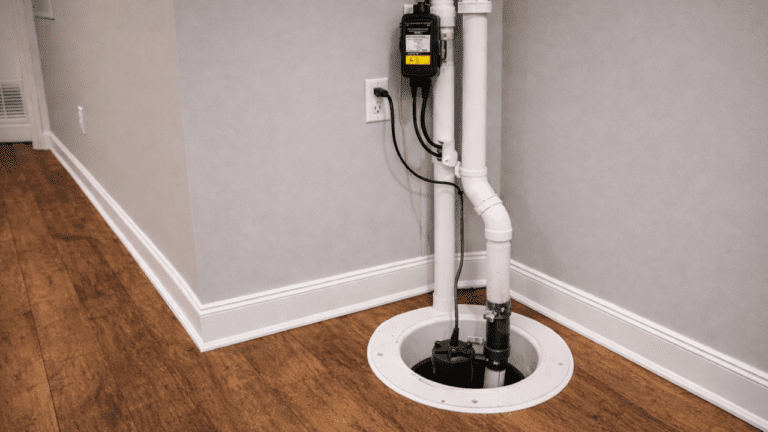
A dry, fresh-feeling basement is absolutely achievable with the right steps. Moisture control is key. Before finishing, address any water entry issues: ensure exterior drainage is good (clean gutters, extend downspouts away, slope soil away from foundation). If you’ve ever had water seepage, consider an interior French drain and sump pump system – those effectively capture water at the perimeter and pump it out.