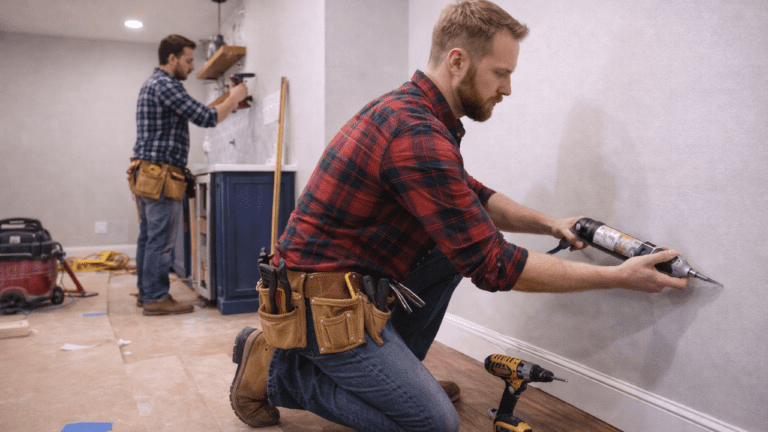

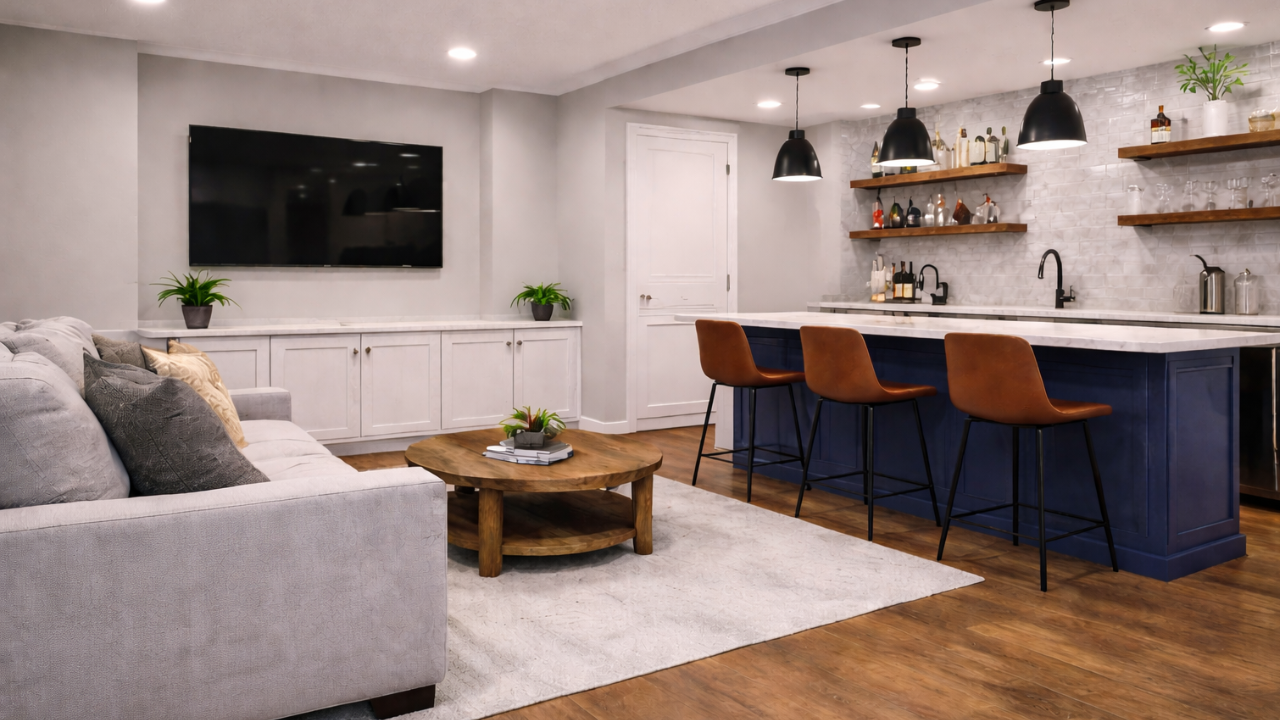
How Much Value Does a Finished Basement Add to Your Home?
A finished basement typically adds 50-70% of the project cost to your home’s value, translating to $20,000-$50,000 for most renovations. The actual return depends on quality, local market conditions, and intended use. In high-demand markets, properly finished basements can recoup up to 75% of investment costs while significantly improving sellability and time on market.
A finished basement represents one of the most strategic home improvements you can make, but understanding the financial return is essential before breaking ground. Most homeowners can expect their finished basement to add between 50-70% of the renovation cost to their home’s overall value, though this percentage varies considerably based on location, quality of work, and market conditions.
The national average return on investment for basement finishing hovers around 70%, but in competitive real estate markets like the Northeast, returns can reach or exceed 75%. Beyond pure dollar value, finished basements dramatically improve home marketability and reduce selling time.
Key Takeaways
- Average ROI ranges from 50-70% of renovation costs, with quality and location being primary factors
- Typical value increase ranges from $20,000 to $50,000 for standard 600-1,000 square foot basement renovations
- Basements with rental potential or additional bedrooms command higher returns in most markets
- Professional finishing versus DIY significantly impacts both immediate value and long-term appreciation
- Local market conditions determine ceiling value, so understanding your area’s comparable sales is critical
- Homes with finished basements sell 20-30% faster than comparable properties with unfinished space
What Determines How Much Value a Finished Basement Adds?
The value added by a finished basement isn’t a fixed number. Multiple interconnected factors determine the ultimate return on your investment, from the quality of materials used to the specific features you incorporate.
Understanding these variables helps homeowners make informed decisions about their renovation scope and budget. Market dynamics play an equally important role as the physical improvements themselves.
Quality of Construction and Materials
The difference between a basic finish and a high-quality renovation can mean thousands in added value. Professional-grade work with proper waterproofing, adequate ceiling height, and code-compliant electrical and plumbing systems commands significantly higher returns than budget finishes.
Appraisers and potential buyers notice details like flooring quality, wall finish, lighting design, and overall craftsmanship. Cutting corners may save money upfront but typically reduces the percentage of cost recovered at sale.
Geographic Location and Local Market Conditions
Regional real estate markets dramatically influence basement value returns. In areas with high population density and expensive real estate like the Northeast, finished basements add more absolute value than in markets where home prices are lower.
Climate also plays a role. In regions where basements are standard and expected, finishing one may simply bring your home to market parity rather than creating competitive advantage. Conversely, in markets where finished basements are rare, they can serve as significant differentiators.
Functional Use and Features
How you finish your basement matters as much as the quality of the finish. Basements designed as additional living space with bedrooms, bathrooms, or rental units typically add more value than recreational spaces alone.
Features that add the most value include full bathrooms, egress windows, separate entrances, and kitchenettes. These elements expand the functional square footage of your home in ways that directly translate to appraised value.
Average Return on Investment for Finished Basements
National data provides useful benchmarks for understanding expected returns. According to Remodeling Magazine’s Cost vs. Value Report, basement remodels consistently rank among the top renovations for ROI, typically returning 60-75% of investment costs.
However, these averages mask considerable variation based on specific circumstances. Breaking down returns by renovation type and market segment reveals more nuanced expectations.
Basic Basement Finish Returns
A basic finish includes drywall, basic flooring like vinyl plank or carpet, standard lighting, and minimal fixtures. These renovations typically cost $25,000-$40,000 for a 1,000 square foot space and return approximately 50-60% of costs.
While returns are lower, basic finishes still add significant livable space and improve home marketability. They work best in markets where basement finishing is expected but premium features aren’t necessary for competitive pricing.
Mid-Range Basement Renovation Returns
Mid-range finishes incorporating better materials, recessed lighting, built-in storage, and a bathroom typically return 60-70% of the $50,000-$75,000 investment. These renovations balance cost and value effectively for most homeowners.
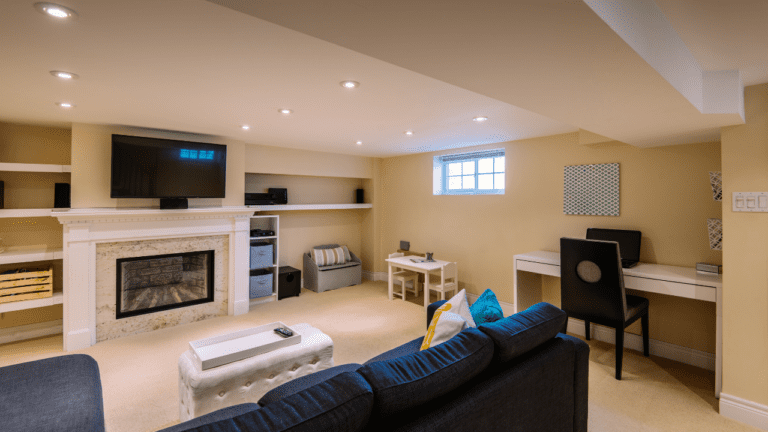
This level of finish usually includes engineered hardwood or quality laminate flooring, proper moisture barriers, upgraded electrical with multiple circuits, and attention to design details that create cohesive, attractive space.
High-End Basement Remodel Returns
Premium renovations featuring custom built-ins, wet bars, home theaters, luxury bathrooms, or finished basement cost elements can exceed $100,000. ROI typically ranges from 60-75%, with higher absolute dollar returns but similar or slightly lower percentage returns.
The upper limit of value added is often constrained by neighborhood comparable sales. Even exceptional renovations can’t push a home’s value beyond what the local market will support.
| Renovation Level | Typical Cost | Expected ROI | Value Added |
| Basic Finish | $25,000-$40,000 | 50-60% | $12,500-$24,000 |
| Mid-Range with Bathroom | $50,000-$75,000 | 60-70% | $30,000-$52,500 |
| High-End Custom | $75,000-$125,000 | 60-75% | $45,000-$93,750 |
How Finished Basements Impact Home Appraisals
Professional appraisers evaluate finished basements differently than above-grade living space. Understanding appraisal methodology helps homeowners set realistic value expectations and make informed renovation decisions.
Most appraisers value finished basement square footage at 50-70% of above-grade space, depending on quality, ceiling height, natural light, and egress options. This ratio reflects both market reality and appraisal standards.
Above-Grade Versus Below-Grade Square Footage
Real estate appraisals distinguish between above-grade and below-grade finished space. A 1,000 square foot finished basement typically adds 50-70% of the value that 1,000 square feet of above-grade space would contribute.
This differential exists because below-grade space faces inherent limitations including reduced natural light, potential moisture concerns, and ceiling height constraints. However, exceptionally finished basements with walk-out access and abundant natural light can approach above-grade valuations.
Functional Obsolescence and Code Compliance
Appraisers carefully evaluate whether finished basements meet current building codes. Non-compliant electrical work, inadequate egress, insufficient ceiling height, or moisture problems can reduce or eliminate value contribution.
Professional renovation by licensed contractors ensures code compliance and creates documentation that supports appraisal value. DIY finishes, while potentially saving money initially, often create appraisal challenges that reduce ultimate value.

Regional Market Variations in Basement Value
Geographic location creates significant variation in how much value finished basements add. Understanding regional differences helps homeowners calibrate expectations and investment levels appropriately.
Northeast and Midwest markets where basements are standard construction features show different value dynamics than Southern or Western markets where basements are less common.
High-Value Markets and Urban Areas
In expensive real estate markets and urban areas where square footage commands premium prices, finished basements can add substantial absolute value. Metropolitan areas often see finished basements adding $40,000-$70,000 to home values, even if percentage returns remain at 60-70%.
Dense urban markets where expansion options are limited particularly value well-finished below-grade space. The scarcity of buildable land makes maximizing existing structure more valuable.
Suburban and Rural Market Considerations
Suburban markets typically show more moderate returns, with finished basements adding $20,000-$40,000 to values. The ROI percentage often remains similar to urban markets, but lower overall home values reduce absolute dollar returns.
Rural areas may see lower returns unless the basement serves specific functional needs like additional bedrooms or rental potential. Market expectations and comparable sales heavily influence value in less dense areas.
Maximizing Value Through Strategic Basement Features
Certain features and design choices consistently deliver higher returns on basement renovation investments. Strategic planning around these elements optimizes both immediate value and long-term appreciation.
Focus on features that expand functional capacity rather than purely recreational amenities. Bedrooms, bathrooms, and flexible multi-purpose spaces appeal to the broadest buyer pool.
Additional Bedrooms and Bathrooms
Adding a conforming bedroom with proper egress significantly increases basement value. Each additional bedroom can add $15,000-$30,000 to home value, while a full bathroom adds $10,000-$20,000.
These additions change how the space functions and how buyers perceive the entire home. A four-bedroom home with finished basement often competes in a different market tier than a three-bedroom home.
Rental Income Potential
Basements finished as separate apartment units with independent entrances, kitchenettes, and bathrooms create income-generating opportunities. This functionality can add 75-90% of renovation costs to home value in markets with strong rental demand.
Legal compliance with local zoning and building codes is essential for rental basements. Unpermitted apartments create liability and appraisal challenges that negate value.
Moisture Control and Waterproofing
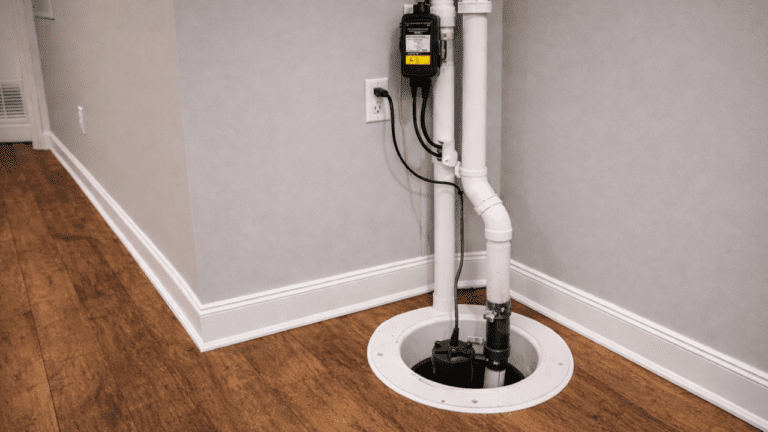
Proper moisture management isn’t just about preventing damage—it’s about protecting your investment. Professional waterproofing and systems like sump pump in finished basement installations protect value and prevent costly future repairs.
Buyers and appraisers scrutinize basements for signs of water damage, musty odors, or inadequate moisture control. Even minor concerns can significantly reduce perceived value and negotiating power.
Comparing Finished Versus Partially Finished Basements
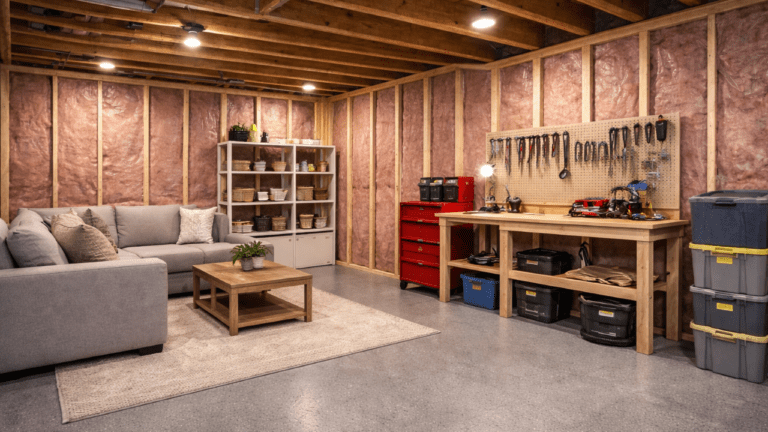
Not all basement renovations need to be comprehensive to add value. Partially finished basement projects offer middle-ground options that balance cost and return.
Understanding the value proposition of partial finishing helps homeowners phase projects or optimize investment for specific goals like resale versus long-term occupancy.
Value Difference Between Partial and Complete Finishes
A partially finished basement typically adds 30-50% of renovation costs to home value, compared to 60-70% for complete finishes. However, the lower upfront investment can make partial finishing attractive for budget-conscious homeowners.
Partial finishes work well when completed strategically—finishing the most usable areas first while leaving storage or mechanical spaces unfinished maintains functionality while controlling costs.
Strategic Phasing for Maximum Return
Phased basement finishing allows homeowners to spread costs over time while adding incremental value. Starting with essential elements like waterproofing, electrical, and one finished room creates immediate usability and value.
This approach also allows homeowners to test functionality and adjust plans before committing to comprehensive finishing. Market conditions may change, making full completion more or less valuable over time.
The Impact of Finished Basements on Home Marketability
Beyond pure dollar value, finished basements dramatically affect how homes compete in the marketplace. Homes with finished basements typically sell 20-30% faster than comparable properties with unfinished space, and often receive multiple offers.
This marketability advantage translates to better negotiating position, fewer contingencies, and higher likelihood of achieving asking price or above.
Buyer Perception and Competitive Positioning
Finished basements expand perceived living space and versatility, making homes more appealing to diverse buyer types. Families value additional bedrooms or play areas, while professionals may desire home offices or fitness spaces.
In competitive markets with limited inventory, finished basements serve as key differentiators that help properties stand out in online listings and generate showing traffic.
Days on Market and Selling Price Impact
Statistical analysis shows homes with finished basements spend fewer days on market and more frequently sell at or above asking price. The combination of faster sales and better pricing creates compound value beyond the direct dollar amount added by the renovation.
Reduced carrying costs from faster sales—including mortgage payments, utilities, insurance, and opportunity costs—can add thousands to the effective return on basement finishing investment.

Cost Factors That Affect Basement Finishing Returns
The amount you invest directly influences both total value added and ROI percentage. Understanding cost variables helps homeowners budget effectively and make strategic choices that optimize returns.
Material quality, labor costs, and project scope create significant cost variation across basement renovations. National averages provide baselines, but regional differences can double or halve these figures.
Average Basement Finishing Costs by Scope
Basic basement finishing typically costs $25-$50 per square foot, mid-range renovations run $50-$90 per square foot, and high-end custom work can exceed $100-$150 per square foot. These costs include materials, labor, permits, and basic fixtures but may exclude specialized features.
A 1,000 square foot basement might cost anywhere from $25,000 for basic finishing to $150,000 for luxury renovation. Understanding where your project falls on this spectrum helps calibrate value expectations.
Hidden Costs That Reduce ROI
Unexpected expenses can erode returns if not properly budgeted. Common hidden costs include foundation repairs, upgraded electrical panels, HVAC extensions, moisture remediation, and permit fees.
These necessary expenses may not directly add appraised value but are essential for code compliance and functionality. Budget contingencies of 15-20% help absorb unexpected costs without derailing projects.
Professional Versus DIY Basement Finishing Value
The decision to hire professionals or attempt DIY finishing significantly impacts both immediate value and long-term appreciation. While DIY can reduce upfront costs, professional work typically delivers higher ROI through superior quality and code compliance.
Appraisers and buyers can usually distinguish professional work from DIY renovations, and this distinction affects perceived value and actual appraisal amounts.
Why Professional Installation Adds More Value
Licensed contractors provide warranties, ensure code compliance, and deliver craftsmanship that withstands scrutiny during appraisals and inspections. This professional finish directly translates to higher appraised values and easier sales.
Professional work also includes proper permits and documentation, creating paper trails that support value claims and prevent legal complications during home sales.
When DIY Makes Financial Sense
Homeowners with genuine construction expertise may successfully complete DIY finishes that meet professional standards. However, even skilled DIYers should hire licensed professionals for electrical, plumbing, and structural work to ensure code compliance.
DIY work makes most sense for homeowners planning long-term occupancy who prioritize customization over resale value. The cost savings can be substantial, even if eventual resale ROI is lower than professional renovations.
Long-Term Appreciation and Future Value
Beyond immediate value addition, finished basements contribute to long-term home appreciation. Well-maintained finished basements appreciate alongside the rest of the home, creating compounding returns over time.
The key to maximizing long-term value lies in timeless design choices, quality materials, and proper maintenance that prevents deterioration.
Design Longevity and Timeless Features
Neutral finishes, classic materials, and flexible spaces maintain value better than trendy designs that quickly date themselves. While personal taste matters during occupancy, resale-oriented choices maximize long-term appreciation.
Features like quality flooring, recessed lighting, and built-in storage remain valuable across design trends and buyer preferences. Avoid highly personalized elements that limit appeal to specific buyer types.
Maintenance and Value Preservation
Regular maintenance protects basement value by preventing moisture damage, mold growth, and system failures. Annual inspections of waterproofing, HVAC systems, and structural elements preserve the investment and prevent depreciation.
Documented maintenance creates value during sales by demonstrating responsible ownership and reducing buyer concerns about hidden problems.
Frequently Asked Questions
What adds the most value when finishing a basement?
Adding a full bathroom and conforming bedroom creates the highest value returns in most markets. These functional additions expand the home’s capacity and appeal to the broadest buyer pool. Proper waterproofing and quality finishes throughout also significantly impact value, as they address buyer concerns and meet appraisal standards.
Strategic features like separate entrances for rental potential or egress windows that enable bedroom designation deliver exceptional returns in appropriate markets. Focus on functionality over purely aesthetic upgrades for maximum value impact.
Does a house sell better with a finished basement?
Yes, homes with finished basements consistently sell faster and often at higher prices relative to asking price than comparable homes with unfinished basements. Finished basements expand perceived living space and offer versatility that appeals to diverse buyers, from families needing play areas to professionals wanting home offices.
In competitive markets, finished basements serve as key differentiators that generate showing traffic and multiple offers. The marketability advantage often equals or exceeds the direct dollar value added by the renovation.
How do I calculate the value of my finished basement?
Calculate finished basement value by multiplying your basement square footage by 50-70% of your local per-square-foot home value. For example, if homes in your area sell for $200 per square foot above grade, value your 1,000 square foot finished basement at $100,000-$140,000 (using 50-70% of $200).
This calculation provides a rough estimate. For precise valuations, consult local appraisers or real estate professionals who understand your specific market dynamics and can evaluate your renovation quality against local comparables.
Does a finished basement add value to an appraisal?
Yes, finished basements add value to professional appraisals, typically contributing 50-70% of the value of equivalent above-grade square footage. However, appraisers evaluate quality, code compliance, and functionality carefully. Non-compliant work, moisture issues, or inadequate ceiling height can reduce or eliminate value contribution.
Professional renovations with proper permits and documentation support higher appraisal values than unpermitted or DIY work. Appraisers also consider comparable sales in your area, which may limit value regardless of renovation quality if the local market doesn’t support premium pricing.
How much does it cost to finish a basement of 2000 square feet?
Finishing a 2,000 square foot basement typically costs $50,000-$180,000 depending on scope and quality level. Basic finishes run $25-$45 per square foot ($50,000-$90,000 total), mid-range renovations cost $50-$90 per square foot ($100,000-$180,000), and luxury finishes can exceed $100 per square foot ($200,000+).
These estimates include materials, labor, basic fixtures, and permits but may exclude specialized features like wet bars, home theaters, or extensive built-ins. Regional labor costs and material availability create significant variation from these national averages.
Ready to Maximize Your Home’s Value with a Finished Basement?
A well-planned, professionally executed basement renovation delivers substantial returns through increased home value, improved marketability, and enhanced living enjoyment. Whether you’re preparing to sell or simply want to maximize your home’s potential, basement finishing represents one of the smartest investments you can make.
The key to optimizing returns lies in strategic planning, quality execution, and understanding your local market dynamics. Focus on features that expand functionality, ensure code compliance, and appeal to broad buyer demographics.
At Chiusano Design Build LLC, we specialize in creating finished basements that maximize both immediate value and long-term appreciation. Our expertise in Hudson Valley, NY markets ensures your renovation investment delivers optimal returns while creating beautiful, functional space for your family to enjoy.
Contact Chiusano Design Build LLC at 845-201-9450 to discuss your basement finishing project and discover how we can help you achieve your value and lifestyle goals. Our team provides comprehensive consultations, transparent pricing, and exceptional craftsmanship that transforms your basement into valuable living space.