How to Restore Old House: A Complete Step-by-Step Guide
Restoring an old house requires systematic assessment of structural integrity, foundation repairs, electrical and plumbing updates, and preserving historical features. Start with professional inspections, prioritize safety systems, then move to cosmetic restoration. Budget 20-40% above initial estimates and expect 6-18 months for complete restoration depending on home condition.
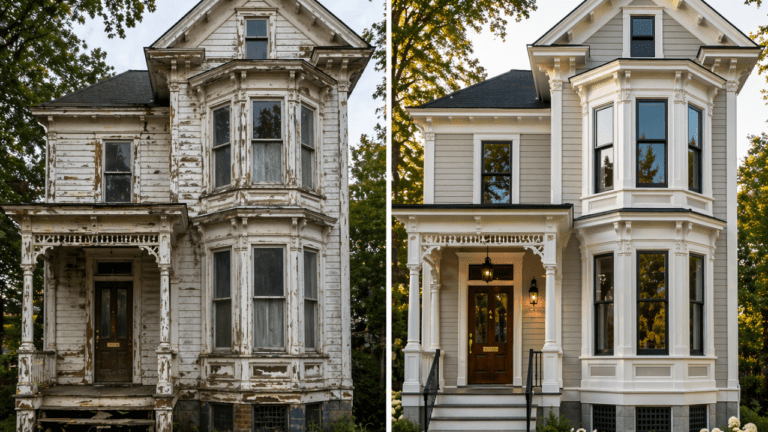
Old house restoration combines preservation craftsmanship with modern building standards to bring vintage properties back to life. The process involves careful planning, strategic budgeting, and respecting the home’s original character while updating critical systems. Whether you’ve inherited a family property or purchased a fixer-upper, understanding the restoration sequence prevents costly mistakes and preserves architectural integrity.
Key Takeaways
- Always start with structural and foundation assessments before any cosmetic work
- Budget 20-40% more than initial estimates to account for hidden issues common in old homes
- Prioritize electrical, plumbing, and HVAC updates for safety and long-term functionality
- Preserve original features like hardwood floors, moldings, and windows whenever possible
- Work with experienced restoration contractors who understand historical building techniques
- Expect 6-18 months for complete restoration depending on scope and home condition
What Makes Old House Restoration Different from Renovation?
Restoration focuses on preserving original materials and architectural details while bringing the home up to modern safety and comfort standards. Unlike renovation, which often involves complete replacements, restoration requires specialized skills to repair and refinish existing elements.
The difference lies in methodology and philosophy. Restoration contractors source period-appropriate materials, use traditional building techniques, and prioritize authenticity. This approach maintains historical value and architectural character that gives old homes their unique appeal.
Many homeowners discover that how much value does a finished basement add becomes particularly relevant when the basement features original stonework or architectural elements worth preserving rather than covering.

How Do You Assess an Old House Before Starting Restoration?
Professional inspections reveal hidden problems that determine project scope and budget. Start with a structural engineer to evaluate foundation integrity, load-bearing walls, and roof structure before any work begins.
Critical Inspection Areas
Foundation assessments identify cracks, settling, moisture intrusion, and structural compromises. Old homes commonly experience foundation issues due to age, soil changes, and outdated construction methods. Addressing these problems first prevents wasting money on cosmetic work that foundation repairs would later damage.
Electrical systems in pre-1970s homes often lack proper grounding, sufficient capacity, and modern safety features. Knob-and-tube wiring, aluminum wiring, and outdated panels require complete replacement for safety and insurance compliance.
Plumbing evaluations should check for galvanized pipes, cast iron drain lines, and outdated fixtures. Many old homes need complete repiping to prevent leaks, improve water pressure, and eliminate lead contamination risks.

Testing for Hazardous Materials
Homes built before 1978 likely contain lead paint, while those constructed before 1980 may have asbestos in insulation, flooring, and siding. Professional testing and certified abatement protect your health and ensure legal compliance during restoration.
Environmental testing also identifies mold, radon, and other contaminants that affect indoor air quality. Addressing these issues during early restoration stages costs less than remediation after finishing work.
What Is the Correct Order for Old House Restoration?
Following the proper sequence prevents rework and protects completed areas from damage during subsequent phases. The restoration order moves from structural to mechanical to finish work.
Phase 1: Structural and Exterior Work
- Foundation repairs and waterproofing – Stabilize the base before anything else
- Roof replacement or repair – Protect interior from weather damage
- Window and door restoration – Seal the building envelope
- Siding and exterior painting – Complete weather protection
Exterior work comes first because it protects interior investments from weather damage. A solid roof and sealed envelope prevent moisture intrusion that causes mold, rot, and material deterioration.
Phase 2: Mechanical Systems
After securing the structure, update electrical, plumbing, and HVAC systems while walls remain open. This approach minimizes drywall damage and allows proper routing of modern systems through old framing.
Install electrical panels with adequate amperage, dedicated circuits for major appliances, and GFCI protection in wet areas. Replace old plumbing with modern materials that provide better flow, fewer leaks, and longer lifespan.
Modern HVAC systems improve comfort and energy efficiency dramatically. Many old homes benefit from ductless mini-split systems that avoid cutting large duct chases through original framing and plasterwork.

Phase 3: Insulation and Walls
After mechanical systems, add insulation to improve energy efficiency while maintaining breathability in older construction. Old homes need vapor management different from modern construction to prevent moisture trapping that causes rot.
Repair or replace damaged plaster, preserving original work wherever possible. When replacement becomes necessary, match textures and finishes to maintain architectural consistency throughout the home.
Phase 4: Finish Work and Details
Final phases include flooring restoration, trim carpentry, painting, and installing fixtures. This sequence protects delicate finish work from damage during heavier construction phases.
Refinish original hardwood floors after all other work completes to avoid scratches and damage. Restore original doors, hardware, and architectural details that define the home’s character and historical value.
When working on lower-level spaces, homeowners often consult with finished basement contractors who understand how to preserve historic basement features while creating functional modern spaces.
How Much Does It Cost to Restore an Old House?
Restoration costs typically range from $100 to $300 per square foot depending on home condition, location, and finish level. This investment includes structural repairs, system updates, and preserving original architectural features.
| Cost Category | Typical Range | Notes |
| Foundation Repair | $10,000-$50,000 | Varies by severity and access |
| Electrical Update | $8,000-$25,000 | Full rewire with modern panel |
| Plumbing Replacement | $6,000-$20,000 | Complete repipe and fixtures |
| Roof Replacement | $8,000-$30,000 | Depends on size and materials |
| Window Restoration | $300-$800 each | Preserves original windows |
| HVAC System | $10,000-$25,000 | New furnace and AC |
Budget Planning Strategies
Add 25-40% contingency for unexpected issues discovered during demolition and inspection. Old homes consistently reveal hidden problems like termite damage, rot, outdated framing, and concealed structural compromises.
The 30% rule in remodeling suggests spending no more than 30% of your home’s after-renovation value on the restoration project. This guideline helps ensure you don’t overcapitalize on improvements that exceed neighborhood values.
Prioritize spending on structural and mechanical systems over cosmetic upgrades. A home with updated electrical, plumbing, and solid structure holds value better than one with beautiful finishes but failing systems.

What Original Features Should You Preserve During Restoration?
Original hardwood floors, moldings, doors, and built-ins define a home’s architectural character and historical value. These elements cost significantly more to replicate than to restore, making preservation both financially and aesthetically advantageous.
Salvageable Architectural Elements
Original hardwood flooring often hides beneath carpet or damaged finish layers. Professional refinishing removes decades of wear while preserving the tight-grain old-growth wood unavailable in modern materials.
Plaster walls and ceilings provide superior sound insulation and durability compared to drywall. Repair damaged plaster whenever possible rather than replacing with modern materials that change the home’s authentic character.
Period hardware, light fixtures, and built-in cabinetry contribute authentic detail impossible to recreate affordably. Clean, repair, and refinish these elements rather than replacing with reproduction pieces that lack the same quality and patina.

Windows and Doors Worth Saving
Original wood windows often outperform modern replacements when properly restored and weather-sealed. The superior construction quality, authentic appearance, and environmental benefits of keeping original windows justify restoration costs.
Solid wood doors feature construction quality rarely found in modern replacements. Strip old paint, repair minor damage, and refinish these doors to restore beauty while maintaining authentic architectural details.
How Do You Handle Unexpected Problems During Restoration?
Discovery of hidden damage requires flexible budgeting and adaptive planning to address issues without derailing the entire project. Maintain contingency funds and prioritize problems by safety impact and structural importance.
Common Hidden Issues
Termite and insect damage often appears once walls open during renovation. Treat infestations, remove damaged wood, and sister new framing to existing structure where possible to maintain original materials.
Water damage from roof leaks or plumbing failures causes rot in framing, subfloors, and sheathing. Address moisture sources immediately before replacing damaged materials to prevent recurring problems.
Outdated or dangerous construction methods like balloon framing create fire hazards requiring remediation. Add fire blocking and update framing to modern codes while preserving the home’s structural system.
Homeowners dealing with lower-level surprises sometimes find that starting with a partially finished basement approach allows them to address structural issues incrementally while maintaining budget flexibility.
Managing Project Delays
Material sourcing for period-appropriate replacements takes longer than standard construction supplies. Order specialty items early and maintain flexibility in the project timeline when custom millwork or salvaged materials require extended lead times.
Weather delays affect exterior work timing, particularly roofing, siding, and foundation repairs. Schedule weather-dependent work during favorable seasons and maintain indoor project tasks as backup work during delays.

What Permits and Approvals Do You Need for Restoration?
Most restoration projects require building permits for electrical, plumbing, structural, and mechanical work. Historic district properties need additional approvals from preservation commissions before making exterior changes.
Standard Permit Requirements
Electrical permits ensure all wiring meets current code for safety and proper installation. Licensed electricians pull permits and schedule inspections at rough-in and final stages.
Plumbing permits cover all water supply, drainage, and gas line modifications. Inspections verify proper installation, venting, and compliance with local codes.
Structural permits apply to foundation work, beam replacements, and load-bearing wall modifications. Engineer-stamped plans often required for significant structural changes to ensure safety and code compliance.
Historic District Considerations
Properties in historic districts need Certificate of Appropriateness approval before exterior alterations. Preservation boards review proposed changes to ensure compatibility with neighborhood character and historical significance.
Submit detailed plans showing materials, colors, and design elements for review. Allow 30-90 days for approval processes before scheduling work that requires historic commission authorization.
| Permit Type | When Required | Typical Cost |
| Building Permit | Structural changes, additions | $500-$2,000 |
| Electrical Permit | Any electrical work | $100-$500 |
| Plumbing Permit | Pipe replacement, fixture changes | $100-$400 |
| Mechanical Permit | HVAC installation | $100-$300 |
How Do You Choose the Right Restoration Contractor?
Experienced restoration contractors understand old construction methods, source period materials, and balance preservation with modernization. Look for specialists with proven track records on similar projects rather than general contractors unfamiliar with historic work.
Essential Contractor Qualifications
Verify licensing, insurance, and bonding appropriate for your project scope. Restoration work requires specialized knowledge beyond standard remodeling, so prioritize contractors with documented historic renovation experience.
Request references from previous restoration projects and visit completed work when possible. Examine attention to detail, quality of craftsmanship, and how well contractors preserved original character while updating systems.
Review detailed proposals that break down costs by phase and trade. Transparent pricing helps identify potential budget issues early and ensures all necessary work receives proper attention and funding.
Red Flags to Avoid
Contractors who suggest wholesale replacement of original features without exploring restoration options likely lack experience with historic properties. Preservation-minded contractors exhaust repair options before recommending replacement.
Unusually low bids often indicate incomplete scope understanding or plans to cut corners on materials and labor. Quality restoration requires skilled craftspeople and appropriate materials that cost more than standard construction.
Reluctance to provide references, proof of insurance, or detailed written contracts signals potential problems. Professional restoration contractors maintain documentation and communicate clearly throughout the project.

What Are the Best Energy Efficiency Upgrades for Old Houses?
Strategic insulation improvements, air sealing, and mechanical system updates dramatically reduce energy costs while maintaining the home’s breathing characteristics essential for old construction longevity.
Insulation Strategies
Add insulation to attics, basements, and crawl spaces without compromising wall cavity breathability. Dense-pack cellulose works well in old homes because it allows vapor movement while providing excellent thermal performance.
Avoid foam insulation in wall cavities unless paired with proper vapor management. Trapping moisture in old wall assemblies causes rot and structural damage more costly than any energy savings achieved.
Window and Door Improvements
Storm windows over restored originals provide modern thermal performance while preserving historic appearance and materials. This combination outperforms vinyl replacement windows both aesthetically and functionally.
Weather-strip doors and windows using appropriate materials that don’t damage original woodwork. Adjustable threshold seals, door sweeps, and compression weather-stripping eliminate drafts without permanent alterations.
Modern Mechanical Systems
High-efficiency furnaces, heat pumps, and water heaters reduce operating costs significantly compared to old equipment. Ductless mini-split systems work particularly well in old homes where installing ductwork would damage original features.
Programmable thermostats and zone controls optimize comfort while minimizing waste. These upgrades provide immediate savings and improved comfort without requiring major structural modifications.

Frequently Asked Questions
Is it worth restoring an old house?
Restoring an old house proves worthwhile when the property features quality construction, desirable location, and architectural character unavailable in new construction. Financial viability depends on purchase price, restoration costs, and post-renovation value compared to neighborhood comps. Old homes offer superior craftsmanship, unique details, and established neighborhoods that justify restoration investment for many buyers. However, properties with severe structural damage, extensive hazardous materials, or costs exceeding 50% of after-renovation value may not justify restoration expenses.
What is the 30% rule in remodeling?
The 30% rule suggests limiting renovation spending to 30% or less of the home’s estimated after-renovation value to avoid overcapitalization. This guideline helps ensure you can recoup your investment when selling. For example, if your restored home will be worth $400,000, limit total restoration costs to $120,000 or less. This rule serves as a general guideline rather than absolute limit, as some restoration projects pursue preservation goals beyond pure financial return.
Is $100,000 enough to renovate a house?
$100,000 covers moderate restoration on smaller homes (under 1,500 square feet) without major structural issues, or allows focused work on critical systems in larger properties. This budget handles new electrical, plumbing, HVAC, kitchen, and bathroom updates in average-condition homes. However, properties needing foundation repair, extensive structural work, or complete system replacements often exceed this amount. The budget adequacy depends heavily on home size, condition, location, and finish level expectations.
In what order should you renovate an old house?
Renovate old houses starting with exterior and structural work (roof, foundation, siding), then mechanical systems (electrical, plumbing, HVAC), followed by insulation and walls, and finishing with cosmetic elements (flooring, trim, paint). This sequence protects completed work from damage during subsequent phases and ensures proper system integration. Always address safety issues like electrical hazards, structural instability, and environmental contaminants before cosmetic improvements to protect both workers and future occupants.
What are the most common renovation mistakes?
Common mistakes include inadequate budgeting without contingency funds, replacing rather than restoring original features, ignoring proper ventilation in old construction, and attempting DIY work beyond skill level. Rushing into cosmetic work before addressing structural and mechanical issues wastes money when foundation or system repairs damage finished surfaces. Other frequent errors include hiring inexperienced contractors, skipping permits, using inappropriate modern materials in historic construction, and underestimating project timelines. Proper planning, qualified professionals, and realistic expectations prevent most restoration pitfalls.
Start Your Old House Restoration Project
Restoring an old house preserves architectural heritage while creating a comfortable, modern living environment that honors the past. Success requires careful planning, appropriate budgeting, experienced contractors, and respect for original craftsmanship. The investment rewards homeowners with unique character, superior construction quality, and the satisfaction of preserving history for future generations.
Begin your restoration journey with professional assessments that reveal true project scope and potential challenges. Prioritize structural integrity and safety systems before cosmetic improvements to build a solid foundation for long-term enjoyment.
Chiusano Design Build LLC specializes in thoughtful restoration and renovation projects that balance historic preservation with modern functionality throughout Hudson Valley, NY. Our experienced team understands old house construction techniques and provides transparent guidance through every restoration phase. Contact us at 845-201-9450 to discuss your old house restoration project and receive expert advice tailored to your property’s unique character and needs.