The Complete Home Restoration Process: Your Step-by-Step Guide to Bringing Historic Properties Back to Life
The home restoration process involves carefully preserving a property’s historic character while updating structural, mechanical, and aesthetic elements. This comprehensive guide covers planning, permitting, structural assessment, material selection, and timeline management to help homeowners successfully restore their historic properties while maintaining architectural integrity and increasing property value.
Understanding the Home Restoration Process
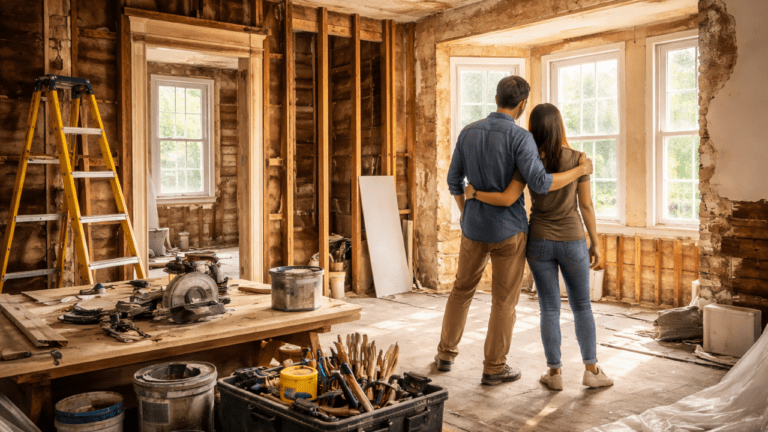
The home restoration process is a carefully orchestrated journey that returns historic properties to their original beauty while integrating modern functionality. Unlike simple renovation, restoration requires meticulous attention to architectural details, period-appropriate materials, and preservation standards.
Historic homeowners embark on restoration projects for various reasons: preserving architectural heritage, increasing property value, or simply falling in love with a home’s unique character. The process demands specialized knowledge, skilled craftspeople, and a clear roadmap from initial assessment to final inspection.
Key Takeaways
- Planning and assessment form the foundation of successful restoration, requiring 2-4 months before construction begins
- Structural integrity must be addressed before cosmetic work, often consuming 30-40% of the total budget
- Period-appropriate materials ensure authentic results and may require specialized sourcing from heritage suppliers
- Permitting and compliance with historic preservation guidelines can extend timelines by 4-8 weeks
- Professional expertise from restoration specialists prevents costly mistakes and ensures quality outcomes
- Timeline flexibility is essential, as most full restorations take 8-18 months to complete properly
What Is Historic Home Restoration and Why Does It Matter?
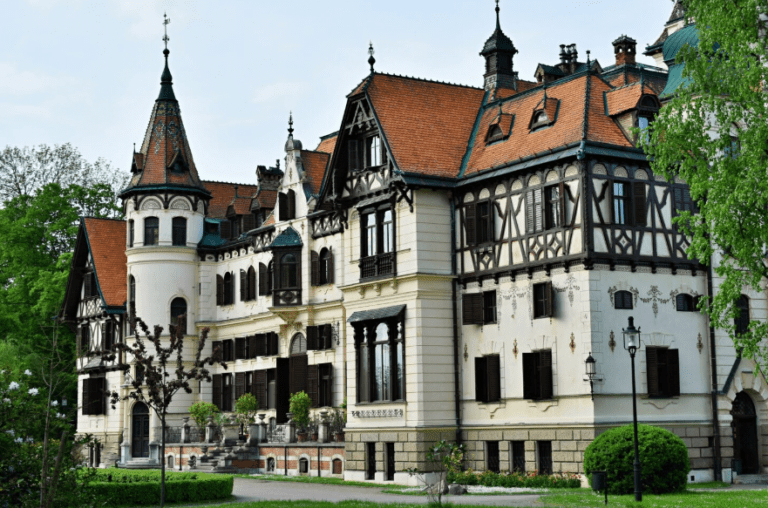
Historic home restoration is the practice of returning a building to its original condition while preserving its architectural significance and character-defining features. This goes far beyond simple repairs or updates—it’s about honoring craftsmanship, maintaining historical accuracy, and protecting cultural heritage for future generations.
Restoration differs fundamentally from renovation or remodeling. While renovation modernizes without regard for historical accuracy, restoration seeks to maintain or return elements to their original state. If you’re wondering what is home restoration?, think of it as architectural archaeology combined with skilled craftsmanship.
The importance extends beyond aesthetics. Historic properties contribute to neighborhood character, support local economies through heritage tourism, and represent irreplaceable pieces of architectural history. Properties in historic districts or on heritage registers may also qualify for tax credits and grants that offset restoration costs.

How Do You Know When Your Home Needs Restoration?
Recognizing the signs that your property requires restoration rather than simple maintenance can save you from structural disasters and preserve your home’s value. Several indicators signal it’s time for professional intervention.
Structural warning signs include sagging floors, cracks in foundation walls, separating joints in masonry, and doors or windows that no longer fit their frames properly. These issues suggest the building’s structural system has been compromised and requires immediate attention.
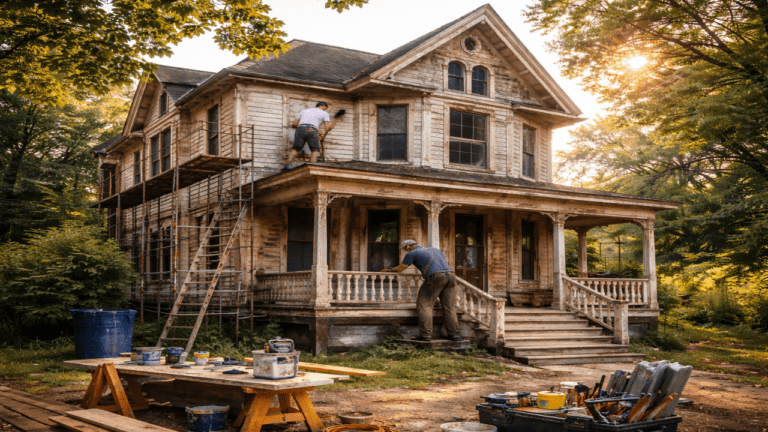
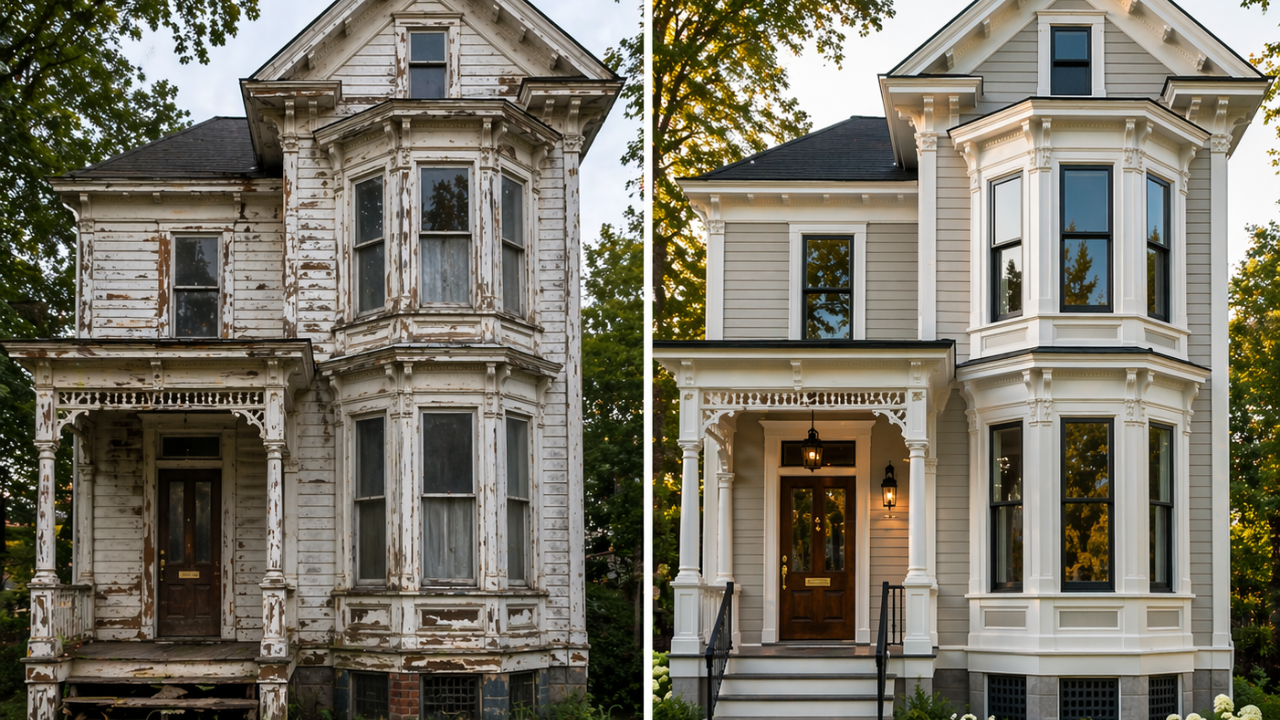
Exterior deterioration manifests as peeling paint that exposes bare wood, rotting trim or siding, damaged or missing roofing materials, and failing gutters that allow water infiltration. Water damage is particularly insidious in historic homes, often causing extensive hidden damage before becoming visible.
Interior damage signals include plaster cracking or falling from walls, water stains on ceilings, buckling hardwood floors, and outdated electrical or plumbing systems that pose safety hazards. Many historic homes still contain knob-and-tube wiring or galvanized plumbing that needs complete replacement.
If you’re noticing multiple issues or your property has been neglected for years, you should explore when to consider a full restoration versus piecemeal repairs. Full restoration often proves more cost-effective when addressing systemic problems.
What Are the Essential Phases of the Home Restoration Process?
The home restoration process follows a logical sequence that builds from assessment through completion. Understanding these phases helps homeowners set realistic expectations and budgets.
Phase 1: Initial Assessment and Documentation
Professional evaluation forms the foundation of any successful restoration project. This involves hiring specialists who can assess structural integrity, identify hidden damage, and determine what’s salvageable versus what requires replacement.
Documentation includes detailed photography, measurements, and research into the property’s history. Understanding when the home was built, what modifications occurred over time, and what original features remain helps guide restoration decisions toward historical accuracy.
| Assessment Type | What It Evaluates | Typical Cost Range |
| Structural Engineering | Foundation, framing, load-bearing elements | $800-$2,500 |
| Historic Architecture | Period features, authenticity, preservation standards | $1,200-$3,000 |
| Environmental Testing | Lead paint, asbestos, mold | $400-$1,500 |
| Mechanical Systems | HVAC, electrical, plumbing condition | $500-$1,200 |
Phase 2: Planning and Design Development
Once assessment is complete, the design phase translates findings into actionable plans. This includes creating detailed drawings, specifications for materials, and a scope of work that guides contractors.
For historic properties, research into original materials and construction methods is crucial. Period paint colors, authentic hardware, and traditional building techniques ensure the restoration maintains historical integrity while meeting modern building codes.
Phase 3: Permitting and Approvals
Regulatory compliance adds time but protects both the property and its historical significance. Properties in historic districts require review by preservation commissions to ensure proposed changes align with guidelines.
Standard building permits are required for structural work, electrical upgrades, plumbing modifications, and mechanical installations. Environmental permits may be necessary if hazardous materials like lead paint or asbestos require abatement.

Phase 4: Structural Stabilization and Remediation
The first construction phase addresses critical structural issues. Foundation repairs, framing reinforcement, roof replacement, and water damage remediation take priority before any cosmetic work begins.
Hazardous material abatement occurs during this phase if environmental testing revealed lead paint, asbestos insulation, or other contaminants. Professional abatement contractors must remove these materials according to EPA regulations.
Phase 5: Systems Installation and Upgrades
Modern mechanical systems must be integrated thoughtfully to avoid damaging historic features. HVAC ductwork, electrical wiring, and plumbing often require creative routing to preserve original architectural elements.
Energy efficiency improvements like insulation, upgraded windows, and modern HVAC systems can be incorporated while maintaining the home’s historic character. The key is balancing preservation with livability.
Phase 6: Architectural Element Restoration
This phase focuses on returning character-defining features to their original condition. Woodwork restoration, plaster repair, flooring refinishing, and window restoration require specialized craftspeople with experience in traditional techniques.
Original elements should be repaired rather than replaced whenever possible. Master carpenters can recreate missing millwork, plasterers can match original finishes, and glaziers can restore historic windows to full functionality.
Phase 7: Finishes and Details
Period-appropriate finishes complete the restoration. This includes paint colors researched from historical records, wallpapers that match original patterns, and hardware sourced from architectural salvage or specialty manufacturers.
Attention to detail separates excellent restoration from merely adequate work. Switch plates, door knobs, light fixtures, and other small elements should reflect the home’s period and style.

Phase 8: Final Inspection and Documentation
The restoration concludes with building inspections, historic commission review if applicable, and comprehensive documentation of completed work. Photographs and records of materials used create an archive for future maintenance.
Certificate of occupancy from the building department confirms all work meets code requirements. For properties in historic districts, a certificate of appropriateness documents compliance with preservation standards.
How Should You Approach Material Selection for Authentic Restoration?
Material authenticity defines the quality of historic restoration. Using period-appropriate materials, construction techniques, and finishes ensures the restoration honors the home’s original character.
Research begins with studying the home itself. Original materials still present provide templates for matching. Building archaeology—the careful examination of hidden layers, marks, and evidence—reveals original construction methods and materials.
Sources for authentic materials include architectural salvage yards, specialty manufacturers who recreate historic products, and craftspeople who produce custom millwork, metalwork, or plaster elements using traditional techniques.
| Material Category | Authentic Options | Compromise Alternatives |
| Exterior Siding | Wood clapboard, board-and-batten, wood shingles | Fiber cement siding with period profile |
| Windows | Restored original wood windows with storm windows | Wood windows custom-made to match originals |
| Roofing | Slate, clay tile, wood shakes | Architectural shingles with appropriate profile |
| Interior Millwork | Custom-milled to match original profiles | Stock moldings combined to approximate originals |
| Flooring | Refinished original or reclaimed period-appropriate wood | New wood in matching species and dimensions |
Modern substitutes sometimes offer practical advantages like durability or lower maintenance while still maintaining visual authenticity. The decision to use alternatives versus original materials depends on budget, the element’s visibility, and preservation standards that apply to your property.
What Are the Most Common Challenges in the Home Restoration Process?
Even well-planned restorations encounter obstacles that require flexibility and problem-solving. Understanding common challenges helps homeowners prepare mentally and financially.
Hidden Damage and Unknown Conditions
Concealed deterioration frequently emerges once walls are opened or finishes removed. Water damage, insect infestation, previous amateur repairs, and structural modifications may not be apparent during initial assessment.
Budget contingencies of 15-25% help absorb unexpected costs without derailing the project. Maintaining open communication with contractors allows for quick decision-making when surprises arise.
Material Sourcing and Lead Times
Period-appropriate materials often require custom fabrication or sourcing from specialty suppliers. Lead times for custom millwork, reproduction hardware, or specialty finishes can extend 8-16 weeks beyond standard construction materials.
Early ordering and detailed planning minimize delays. Experienced restoration contractors maintain relationships with suppliers and can often expedite orders or suggest alternatives when first choices are unavailable.
Balancing Preservation with Modern Needs
Homeowners struggle to balance historical accuracy with contemporary lifestyle requirements. Modern kitchens, updated bathrooms, and open floor plans often conflict with original room configurations and finishes.
Thoughtful design finds compromises: locate major alterations in less significant spaces, use reversible modifications where possible, and ensure visible public spaces maintain historical character while private areas accommodate modern needs.
Regulatory and Approval Delays
Historic commissions and building departments may require multiple reviews, revisions to plans, or additional documentation. This bureaucratic process can add months to project timelines.
Working with professionals experienced in historic preservation streamlines approvals. Architects and contractors familiar with local requirements can anticipate concerns and address them proactively.

How Much Does the Home Restoration Process Typically Cost?
Restoration costs vary dramatically based on property size, condition, scope of work, and materials selected. Understanding cost drivers helps homeowners develop realistic budgets.
As a general guideline, basic restoration of a structurally sound historic home runs $100-200 per square foot. Comprehensive restoration addressing major structural issues, systems replacement, and high-end finishes can reach $250-400 per square foot or more.
Cost breakdowns typically allocate 30-40% to structural and systems work, 25-35% to architectural restoration and finishes, 15-20% to design and permitting, and 10-15% to contingencies and unforeseen issues.
| Project Scope | Description | Cost per Sq Ft |
| Light Restoration | Cosmetic updates, minor repairs, refinishing | $75-125 |
| Moderate Restoration | Systems upgrade, structural repairs, element restoration | $150-225 |
| Comprehensive Restoration | Major structural work, full systems, detailed finishes | $250-400+ |
Regional variations significantly impact costs. Labor rates in areas with skilled restoration tradespeople, material transportation costs, and local permitting fees all influence final expenditures.
Who Should You Hire for Your Home Restoration Project?
Professional expertise makes the difference between successful restoration and costly mistakes. The specialized nature of historic work requires contractors with specific experience and credentials.
Architects specializing in historic preservation provide design services, navigate regulatory requirements, and ensure work meets preservation standards. Look for professionals with experience in your home’s architectural period and style.
General contractors with restoration experience coordinate trades, manage timelines, and solve construction challenges. Verify they’ve completed similar projects and can provide references from historic homeowners.
Specialized craftspeople bring essential skills: master carpenters for millwork restoration, plasterers for traditional finishes, masons for masonry repair, and painters experienced with historic finishes and colors.
When you’re ready to learn more about restoring old house projects with experienced professionals, choosing a team that understands both preservation principles and modern construction methods ensures the best outcomes.
What Timeline Should You Expect for Complete Home Restoration?
Realistic timelines prevent frustration and allow proper planning. Most full home restorations require 12-18 months from initial assessment through project completion.
Pre-construction phases consume 2-4 months for assessment, design development, and permitting. Properties in historic districts may require additional time for historic commission reviews and approvals.
Construction duration depends on scope and complexity. Small to moderate projects may complete in 6-9 months, while comprehensive restorations of larger properties can extend 12-16 months.
Seasonal considerations affect timelines. Exterior work like roofing, siding, and foundation repairs proceeds best in warmer months. Interior work can continue year-round, though heating costs and ventilation challenges may arise during winter months.

How Can You Maximize Value from Your Restoration Investment?
Strategic decisions throughout the restoration process protect your investment and maximize returns. Some choices offer better value than others.
Prioritize structural integrity over cosmetic upgrades. A solid foundation, sound framing, and reliable systems provide lasting value, while decorative elements can be phased in over time if budget requires.
Document everything thoroughly. Detailed records of work performed, materials used, and craftspeople involved create valuable documentation for future maintenance, insurance purposes, and eventual resale.
Focus preservation efforts on character-defining features visible from public spaces. Original staircases, fireplaces, millwork, and architectural details in primary rooms deserve the highest quality restoration.
Energy efficiency upgrades reduce operating costs without compromising historic character. Improved insulation, efficient HVAC systems, and properly functioning windows lower utility bills while increasing comfort.
Tax incentives and grants for historic properties can offset significant costs. Federal historic tax credits provide 20% credit for qualified rehabilitation expenses, while state and local programs may offer additional benefits.
Frequently Asked Questions
What are the stages of restoration?
The restoration stages progress logically from assessment through completion. Initial assessment and documentation identify issues and establish scope. Planning and design development create detailed specifications. Permitting secures necessary approvals. Structural stabilization addresses critical issues first. Systems installation integrates modern infrastructure. Architectural element restoration returns character-defining features to original condition. Finally, finishes and details complete the transformation with period-appropriate materials.
What is the difference between renovating and restoring?
Renovation modernizes a building without concern for historical accuracy, often removing original features and replacing them with contemporary alternatives. Restoration returns a building to its original condition, preserving architectural character and using period-appropriate materials and techniques. Renovation prioritizes function and current aesthetics, while restoration balances modern livability with historical authenticity. Restoration also typically involves research, documentation, and adherence to preservation standards that renovation ignores.
How much does it cost to build a house in Hudson Valley?
New construction in Hudson Valley typically runs $250-400 per square foot depending on finishes, site conditions, and design complexity. Custom homes with high-end finishes and challenging sites can exceed $450 per square foot. These costs include sitework, foundation, structural systems, mechanical systems, finishes, and site development. Regional factors like material costs, labor availability, and permit fees influence final pricing. Historic restoration often costs comparably to new construction when addressing deferred maintenance and structural issues.
What is the most expensive part of a house to build?
The foundation and structural framing typically represent the most expensive single component, consuming 20-30% of total construction budget. This includes excavation, foundation construction, structural framing, and exterior shell. Kitchen and bathroom installations follow as the next highest costs, particularly when incorporating high-end finishes and fixtures. For historic restoration projects, structural remediation and systems replacement often exceed foundation costs because they must work within existing conditions rather than starting fresh.
How much does it cost to build a 2000 sq ft house in upstate NY?
A 2000 square foot house in upstate New York costs approximately $500,000-800,000 for quality construction with standard to moderately upgraded finishes. This translates to $250-400 per square foot. Budget construction might reduce costs to $200-250 per square foot, while luxury custom homes can exceed $450-500 per square foot. These estimates include all construction costs but typically exclude land purchase, extensive sitework for challenging lots, or high-end custom features. Historic restoration of a 2000 square foot property often falls within similar ranges when structural issues require extensive remediation.
Begin Your Home Restoration Journey with Confidence
The home restoration process represents a significant undertaking that rewards careful planning, professional expertise, and patience. Historic properties offer unique character and architectural significance that modern construction cannot replicate, making restoration a worthwhile investment for homeowners committed to preserving our built heritage.
Success requires assembling the right team, establishing realistic budgets and timelines, making informed decisions about materials and methods, and maintaining flexibility when unexpected challenges arise. The result—a beautifully restored historic home that honors the past while functioning for modern living—makes the effort worthwhile.
Chiusano Design Build LLC brings decades of experience helping Hudson Valley homeowners navigate complex restoration projects from initial assessment through final completion. Our team combines deep knowledge of historic construction techniques with modern building science to deliver results that preserve architectural integrity while ensuring structural soundness and energy efficiency.
Whether you’re beginning to explore restoration possibilities or ready to move forward with detailed plans, professional guidance makes the difference between frustration and success. Contact our restoration specialists at 845-201-9450 to discuss your historic property and learn how thoughtful restoration can transform your house into the home of your dreams while preserving its unique character for generations to come.