
The Complete Guide to a Partially Finished Basement: Smart Solutions for Budget-Conscious Homeowners
A partially finished basement offers a cost-effective middle ground between raw concrete and a fully finished space. This approach allows homeowners to complete essential infrastructure like insulation, electrical, and framing while leaving cosmetic finishes for later, reducing upfront costs by 30-50% while creating immediately usable space.
Why Choose a Partial Basement Finish?
A partially finished basement represents a strategic approach to home improvement that balances functionality with budget constraints. Instead of choosing between an unusable raw basement or committing to a complete renovation costing $30,000-$75,000, homeowners can invest in essential structural elements first.
This phased approach typically includes insulation, framing, electrical work, and HVAC installation while postponing drywall, flooring, and trim work. The result is a clean, functional space ready for immediate use that can be completed cosmetically whenever budget allows.
Key Takeaways: Partially Finished Basement Essentials
- Cost savings of 30-50% compared to full basement finishing by spreading expenses across multiple phases
- Essential infrastructure completion includes moisture control, insulation, electrical, and HVAC rough-ins
- Immediate usability for storage, workshops, or recreation even without cosmetic finishes
- Flexible timeline allows homeowners to complete remaining work as budget permits
- Permits still required for structural, electrical, and plumbing work in most jurisdictions
- Home value increase of approximately 60-70% of renovation costs even when partially completed
What Exactly Is a Partially Finished Basement?
A partially finished basement is a space that has completed critical structural and mechanical systems but lacks final cosmetic touches. This differs fundamentally from both unfinished and fully finished basements in scope and investment.
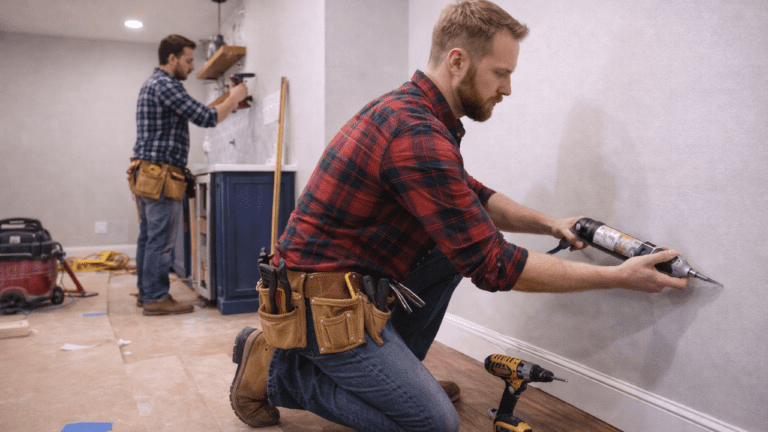
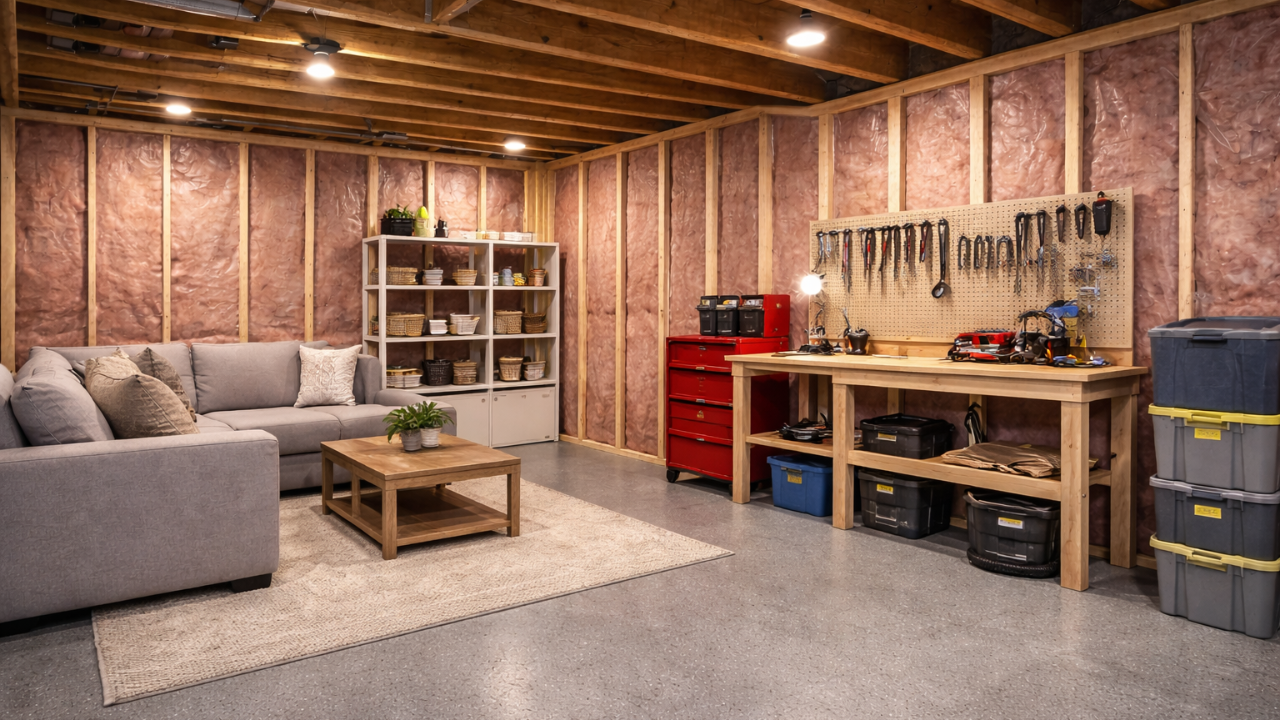
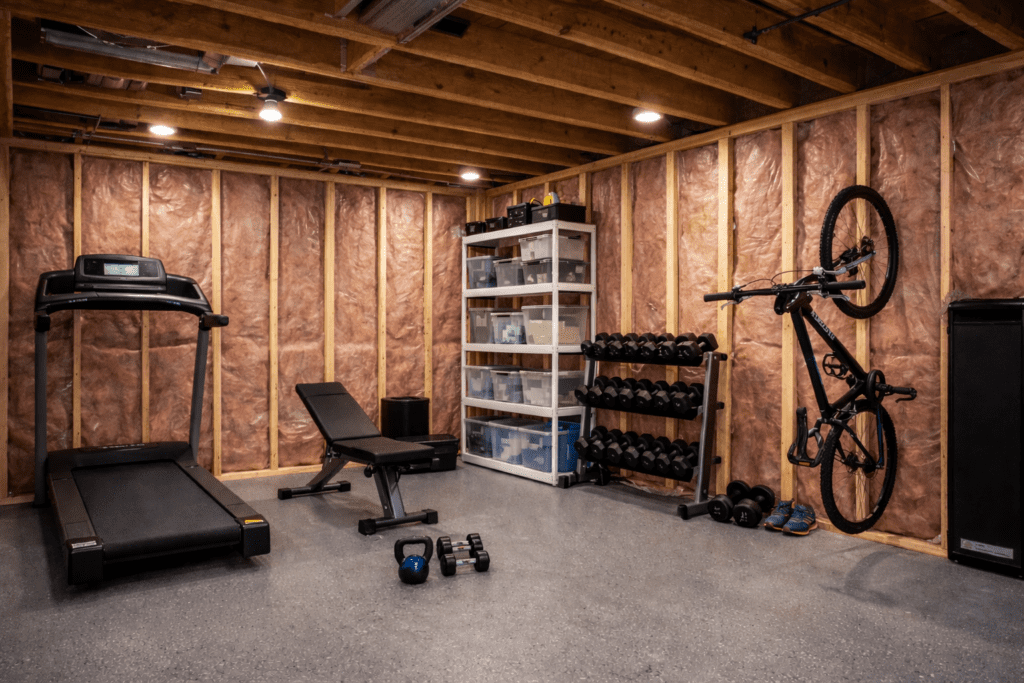
The typical partially finished basement includes completed framing that defines rooms and spaces, proper insulation in walls and ceiling areas, rough electrical work with outlet boxes installed, and basic lighting fixtures. HVAC ducts or heating elements are installed and functional, ensuring the space remains comfortable year-round.
The Three Phases of Basement Development
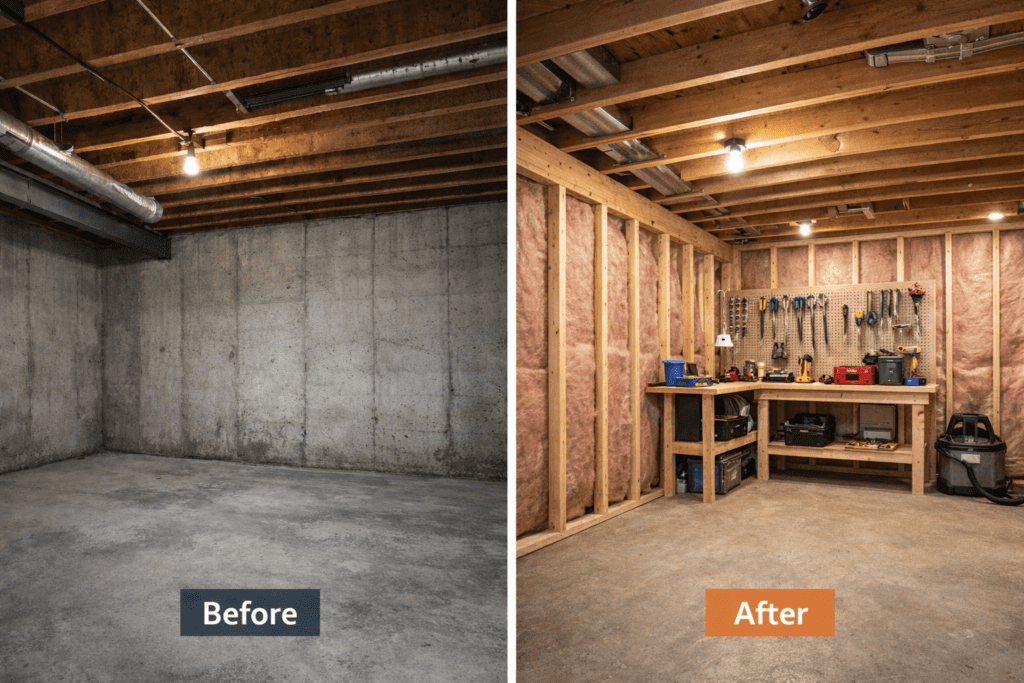
Unfinished basement characteristics include exposed concrete or block walls, visible floor joists and ductwork, concrete slab flooring, and minimal or no lighting. These spaces serve primarily as mechanical rooms and basic storage.
Partially finished features encompass framed walls without drywall, insulated walls and ceilings, installed electrical boxes and basic fixtures, and functional HVAC distribution. Paint on concrete floors or basic moisture barriers are common additions.
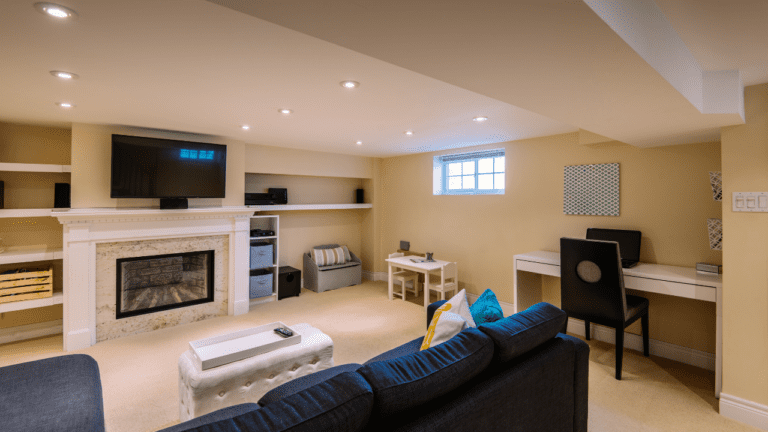
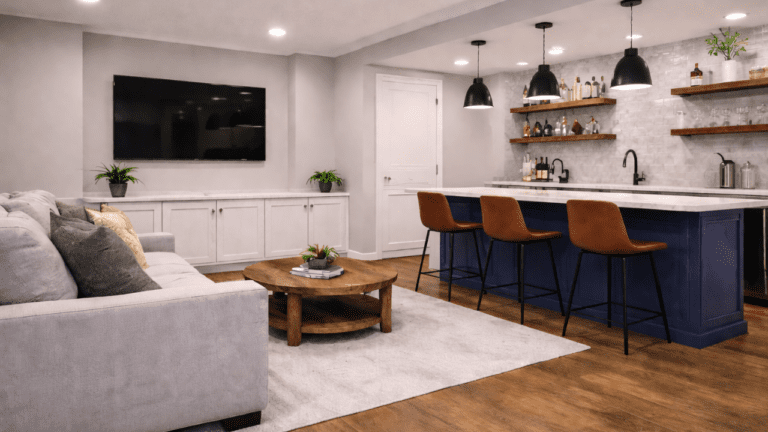
Fully finished elements incorporate installed and finished drywall with paint, complete flooring systems, trim work and doors, finished ceilings, and complete lighting and fixture installations. These spaces function as proper living areas indistinguishable from above-grade rooms.
What Work Is Included in a Partial Basement Finish?
Understanding which components constitute a partial finish helps homeowners plan budgets and timelines effectively. The work divides into essential systems that must be completed and cosmetic elements that can be deferred.
Essential Systems (Included in Partial Finish)
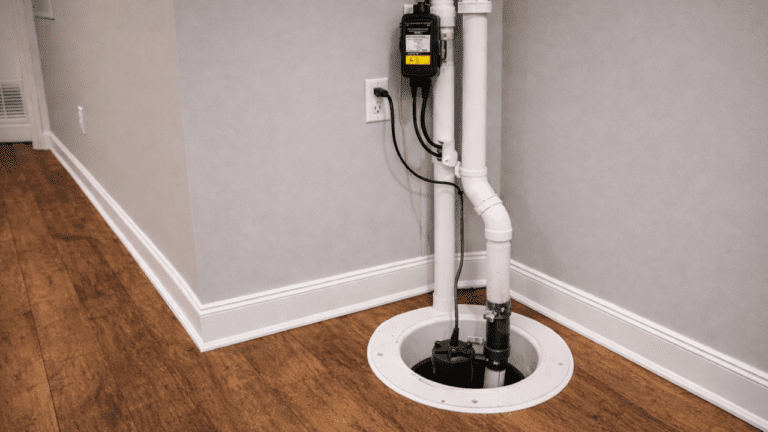
Moisture management and waterproofing form the critical foundation. This includes interior drainage systems if needed, vapor barriers on walls and floors, and addressing any existing water infiltration issues. Without proper moisture control, all subsequent work risks damage and mold growth.
Structural framing defines the space’s layout and future functionality. Wall framing creates room divisions, door openings get framed with proper headers, and support columns receive finished framing. This phase locks in the floor plan and requires careful planning.
Consider the finished basement cost implications early in planning to determine which rooms and features provide the best return on investment for your specific needs and budget.
Insulation installation dramatically improves comfort and energy efficiency. Wall cavities receive appropriate R-value insulation, rim joists get sealed and insulated, and ceiling insulation may be added between joists. This work must occur before any wall covering.
Electrical rough-in establishes all future electrical functionality. Wiring runs to all planned outlets and switches, electrical boxes get installed at proper heights, and lighting circuits are positioned according to the layout. Circuit breaker capacity may require upgrading.
HVAC distribution ensures year-round comfort. Ductwork extends to the basement space, supply and return vents are positioned appropriately, and mini-split systems might be installed as alternatives. Proper heating and cooling make the space genuinely functional.
Deferred Elements (Completed Later)
Drywall installation and finishing represents the most visible cosmetic work. This includes hanging, taping, mudding, sanding, and priming. Many homeowners defer this expensive labor-intensive step while the space remains functional.
Flooring systems can wait since concrete floors, while less attractive, remain functional. Future options include luxury vinyl plank, carpet, tile, or engineered hardwood. A simple epoxy coating or concrete sealer makes bare floors more appealing temporarily.
Trim and doors provide finished aesthetics but aren’t immediately essential. Baseboard, door casings, window trim, and interior doors can be added gradually. Temporary curtains or open doorways work in the interim.
How Much Does a Partially Finished Basement Cost?
Cost represents the primary advantage of the partial finish approach. Understanding the financial breakdown helps homeowners budget effectively and decide which elements to prioritize.
Average Cost Breakdown by Square Footage
| Basement Size | Partial Finish Cost | Full Finish Cost | Savings |
| 400 sq ft | $8,000 – $14,000 | $16,000 – $28,000 | $8,000 – $14,000 |
| 600 sq ft | $12,000 – $21,000 | $24,000 – $42,000 | $12,000 – $21,000 |
| 800 sq ft | $16,000 – $28,000 | $32,000 – $56,000 | $16,000 – $28,000 |
| 1,000 sq ft | $20,000 – $35,000 | $40,000 – $70,000 | $20,000 – $35,000 |
Per-square-foot costs for partial finishes typically range from $20-$35, compared to $40-$70 for complete renovations. This cost variation depends on existing conditions, regional labor rates, and specific system requirements.
Cost Factors That Impact Your Budget
Existing basement conditions significantly influence costs. Moisture problems requiring remediation, low ceiling heights needing excavation, or structural issues demanding repair all increase expenses. A dry basement with good ceiling height minimizes additional work.
System complexity affects pricing substantially. Adding a bathroom requires plumbing rough-in that increases costs by $3,000-$8,000. Creating multiple rooms rather than open space adds framing expenses. HVAC system capacity might need upgrading.
Code compliance requirements vary by jurisdiction but always add costs. Egress windows for bedrooms cost $2,500-$5,000 installed. Additional electrical circuits and panels can add $1,500-$3,000. Building permits themselves range from $200-$800.
What Are the Benefits of Partially Finishing Your Basement?
Beyond obvious cost savings, the partial finish approach offers strategic advantages that make it attractive for many homeowner situations and goals.
Financial Advantages
Reduced upfront investment makes basement improvements accessible to more homeowners. Instead of financing $50,000 for a complete project, families can start with $20,000-$25,000 and achieve immediate functionality. This preserves financial flexibility for other priorities.
Phased budget spreading allows completion over multiple years as finances permit. Essential systems get completed immediately while cosmetic finishes wait for annual bonuses, tax refunds, or other windfalls. Interest charges on financing decrease when borrowing less initially.
Home value appreciation begins immediately even with partial completion. Real estate appraisers recognize finished square footage value, and properly executed partial finishes can return 60-70% of costs in increased home value compared to 70-75% for complete renovations.
Practical Benefits
Immediate space utilization provides value before full completion. A partially finished basement works perfectly for home gyms, workshops, laundry areas, storage organization, or children’s play spaces. Functionality doesn’t require beautiful finishes.
DIY-friendly completion options emerge once professional systems are installed. Homeowners can tackle drywall, painting, and flooring themselves gradually without time pressure. This sweat equity further reduces total costs while allowing personalization.
Testing space usage before full commitment helps avoid expensive mistakes. Families can determine which areas get used most, whether the layout works practically, and what features truly matter before investing in permanent finishes.
Design Flexibility
Future modification ease remains high when walls lack drywall. Relocating electrical outlets, adding network cabling, or adjusting room sizes costs far less before drywall installation. Homeowners can refine plans based on actual usage patterns.
Material selection timing improves when finish decisions are deferred. Flooring and paint selections can wait until trends evolve or better products emerge. Budget increases might enable upgraded materials not affordable initially.
What Are the Drawbacks of a Partial Finish?
Honest assessment requires acknowledging limitations and potential challenges associated with partially finished basements to set appropriate expectations.
Aesthetic Considerations
Unfinished appearance bothers some homeowners regardless of functionality. Exposed insulation and studs lack polish, creating industrial aesthetics unsuitable for formal entertaining. Guests may perceive the space as incomplete or under construction.
Resale presentation challenges can emerge when selling. Some buyers struggle envisioning completed potential and may discount value accordingly. Professional staging becomes difficult, and listing photos may not showcase the space attractively.
Practical Limitations
Dust and debris accumulation increases without finished surfaces. Exposed insulation collects dirt, and unfinished walls make thorough cleaning difficult. Air quality concerns arise if insulation fibers become airborne from contact or deterioration.
Damage vulnerability affects exposed systems. Framing lumber and electrical boxes risk impact damage during use. Insulation degrades faster without protective covering, potentially requiring replacement when finishing occurs later.
Delayed gratification factors psychologically affect some families. Living with “almost finished” spaces for years creates frustration. The gap between envisioned completion and reality may cause stress or regret about the phased approach.
How to Maximize a Partially Finished Basement’s Functionality
Strategic choices during the partial finish phase optimize both current usability and future completion efficiency, ensuring the space serves immediate needs while facilitating eventual upgrades.
Smart Layout Decisions
Multi-purpose space planning maximizes flexibility before permanent walls exist. Create zones for different activities using furniture arrangement or area rugs rather than fixed partitions. This approach allows usage evolution without expensive modifications.
Strategic wall placement should prioritize privacy and sound control where most needed. Frame and insulate walls separating mechanical rooms or bathrooms even if other areas remain open. This creates functional boundaries while minimizing material costs.
Future room consideration influences electrical and HVAC placement. Position outlets and vents assuming eventual room divisions even if those walls aren’t built immediately. This foresight prevents difficult and expensive retrofitting later.
Protective Measures
Temporary wall protection preserves framing and insulation integrity. Install inexpensive plastic sheeting or builder’s paper over insulation in high-traffic areas. This prevents fiber release and allows easy removal during finishing.
Floor treatment options improve aesthetics and durability affordably. Epoxy coatings cost $3-$12 per square foot installed and dramatically enhance appearance while protecting concrete. Interlocking foam tiles provide comfort in exercise areas at minimal expense.
Basic finishing touches enhance livability without major investment. Install outlet and switch covers on all electrical boxes for safety and finished appearance. Add simple pendant lights or shop lights for better illumination than basic construction fixtures.
Moisture Management
Ongoing moisture monitoring remains critical in partially finished spaces. Install hygrometers to track humidity levels, and run dehumidifiers when readings exceed 50-60%. Exposed insulation reveals moisture problems early, allowing quick intervention.
Ventilation strategies prevent mold and mildew growth. Ensure adequate air circulation through HVAC returns or supplemental fans. Good airflow keeps exposed materials dry and prevents musty odors from developing.
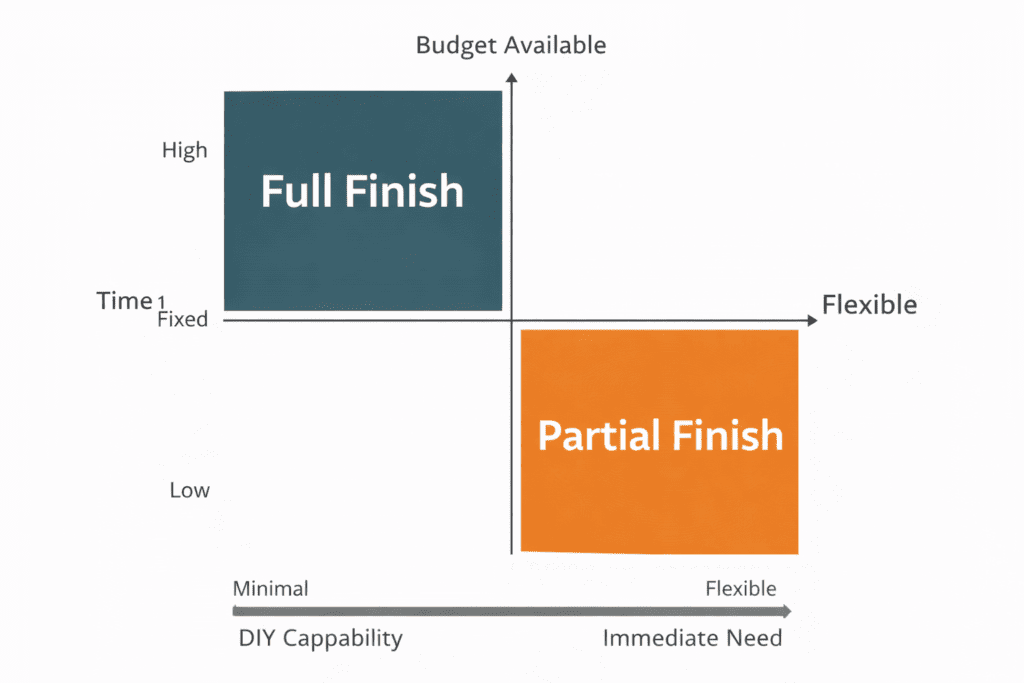
When Does a Partial Finish Make the Most Sense?
Certain situations particularly favor the partially finished basement approach based on financial circumstances, lifestyle factors, and home improvement priorities.
Ideal Candidate Scenarios
Budget-constrained homeowners benefit most from phased approaches. Young families with limited savings can create functional space immediately while building equity. This strategy beats delaying basement improvements indefinitely waiting for full-project funds.
DIY enthusiasts maximize value by handling finish work personally. Hiring professionals for complex systems while completing cosmetic elements yourself optimizes skill utilization and cost efficiency. The partial finish creates an ideal pause point.
Uncertain space needs justify deferring permanent finishes. Families with young children might need play areas now but home offices later. Growing businesses might convert recreational space to dedicated work areas. Flexibility preserves options.
Situations Favoring Full Completion
Immediate resale plans within 2-3 years warrant full finishing. Maximum return on investment requires complete, attractive spaces buyers can immediately envision using. Partial finishes may hinder sales or reduce offers.
Formal entertaining priorities demand polished aesthetics. Homeowners regularly hosting guests or events need presentable spaces throughout their homes. Industrial partial-finish appearances conflict with entertaining goals.
Limited construction tolerance affects some personalities. If living with unfinished spaces creates significant stress or dissatisfaction, complete the project fully or don’t start. Partial finishes require comfort with imperfection.
Common Mistakes to Avoid with Partial Basement Finishes
Learning from others’ errors prevents expensive corrections and ensures your partial finish achieves its goals efficiently and safely.
Planning Errors
Inadequate moisture assessment causes the most catastrophic failures. Never begin finishing work without addressing water problems completely. One flooding event destroys all investment and creates health hazards from mold growth.
Poor electrical planning creates expensive retrofit needs. Install more outlets and circuits than currently needed anticipating future requirements. Moving electrical after drywall installation costs 3-4 times more than initial proper placement.
Ignoring code requirements creates legal and safety issues. Research local basement finishing codes for egress, ceiling height, smoke detectors, and electrical standards. Unpermitted work complicates sales and insurance claims after damage.
Execution Mistakes
Insufficient insulation wastes energy and reduces comfort. Don’t skimp on R-value trying to save money. Proper insulation pays for itself through lower utility bills while making the space genuinely usable year-round.
Framing without floor plan clarity locks in layouts that don’t work. Carefully consider traffic flow, furniture placement, and activity zones before building permanent walls. Moving framed walls wastes materials and labor.
Exposed insulation deterioration from neglect requires replacement. If leaving insulation exposed for extended periods, protect it from damage and monitor its condition regularly. Degraded insulation loses effectiveness and may need removal.
Completing Your Partial Finish: The Path Forward
Understanding the completion process helps homeowners plan timelines and budgets for eventual finishing while maintaining realistic expectations about involved work.
Typical Completion Timeline
Drywall installation phase typically requires 1-2 weeks for an average basement. This includes hanging sheets, taping joints, applying multiple mud coats, sanding smooth, and applying primer. Professional installation ensures quality results worth the investment.
Painting and trim work adds another week to ten days. Two coats of paint on walls and ceilings, plus installing baseboards, door casings, and interior doors creates finished appearance. Many homeowners successfully DIY this phase.
Flooring installation timeline varies by material choice. Luxury vinyl plank can be completed in days, while carpet installation happens quickly. Tile work requires more time for setting and grouting. Most basement flooring projects finish within one week.
Completion Cost Estimates
| Finish Element | Cost per Sq Ft | 800 Sq Ft Example |
| Drywall (hung, finished, primed) | $2.50 – $4.00 | $2,000 – $3,200 |
| Paint (walls and ceiling) | $1.50 – $3.00 | $1,200 – $2,400 |
| Flooring (LVP or carpet) | $3.00 – $8.00 | $2,400 – $6,400 |
| Trim and doors | $2.00 – $4.00 | $1,600 – $3,200 |
| Total Completion Cost | $9.00 – $19.00 | $7,200 – $15,200 |
These completion costs represent the deferred investment from the partial finish approach. Spreading this expense across months or years makes basement renovation accessible while enjoying immediate functionality.
Frequently Asked Questions
What qualifies as a partially finished basement?
A partially finished basement includes completed structural and mechanical systems such as framing, insulation, electrical rough-in, and HVAC distribution, but lacks cosmetic finishes like drywall, flooring, and trim work. The space remains functional and usable but maintains an unfinished industrial appearance. Essential infrastructure is professionally completed while less critical aesthetic elements are deferred to reduce upfront costs and allow phased completion.
Do I need a permit to partially finish a basement?
Yes, permits are typically required for partially finishing basements because the work includes electrical, structural framing, and HVAC modifications that must meet local building codes. Requirements vary by jurisdiction, but any work involving electrical systems, plumbing additions, egress window installation, or structural changes requires permits and inspections. Contact your local building department early in planning to understand specific requirements and ensure compliance, as unpermitted work creates problems during home sales and insurance claims.
Does a partially finished basement add value?
A partially finished basement does add home value, typically returning approximately 60-70% of renovation costs in increased property value compared to 70-75% for fully finished spaces. Appraisers recognize improved square footage even without cosmetic finishes, as completed infrastructure and functionality matter most. The actual value increase depends on local market conditions, quality of work completed, and how well the space presents to potential buyers, but proper partial finishes consistently improve home worth and appeal.
Does a partial basement save money?
Partially finishing a basement saves substantial money compared to full completion, typically reducing upfront costs by 30-50% or $15,000-$35,000 for average-sized basements. This approach completes expensive professional systems like electrical, plumbing, and HVAC while deferring labor-intensive cosmetic work that homeowners can potentially handle themselves later. The strategy reduces financing costs, preserves budget flexibility, and allows quality material selection when finances improve, though total project costs remain similar once fully completed.
Does a partially finished basement count as square footage?
Partially finished basements generally do not count toward official above-grade square footage calculations used in real estate appraisals, as basements are classified separately regardless of finish level. However, appraisers do recognize the space as “finished below-grade square footage” or “basement living area” when properly completed with appropriate systems, which significantly affects home value. For the space to qualify as finished area, it must include proper heating, ceiling height of at least seven feet, and legal egress according to local codes.
Transform Your Basement with Expert Guidance
A partially finished basement offers a practical pathway to expanding your home’s functional space without overwhelming your budget. By strategically completing essential infrastructure while deferring cosmetic finishes, you create immediately usable areas that can evolve as your needs and finances allow.
The key to success lies in proper planning, quality execution of critical systems, and realistic expectations about both benefits and limitations. Whether you envision a home gym, workshop, playroom, or future living suite, the partial finish approach provides flexibility that fully finished or unfinished basements cannot match.
Chiusano Design Build LLC specializes in helping Hudson Valley homeowners maximize their basement potential through strategic renovation planning and expert execution. Our team understands local building codes, regional moisture challenges, and cost-effective approaches that deliver lasting value. We work with clients to develop phased plans that achieve immediate functionality while preserving future flexibility.
Ready to explore how a partially finished basement could transform your home? Contact Chiusano Design Build LLC at 845-201-9450 to discuss your specific needs, review your space’s potential, and receive a detailed proposal tailored to your goals and budget. Let’s create a basement solution that works for your family today while building toward your vision for tomorrow.