
Home Remodeling on a Budget: 7 Smart Ways Dutchess County Homeowners Are Saving Big
Think a home remodel has to break the bank? Think again. Dutchess County homeowners are proving you can upgrade your home’s style and functionality without draining your savings.
In this guide, we’ll share actionable, cost-effective renovation tips tailored to our local area – from smart planning to savvy material choices – so you can achieve a beautiful remodel on a budget.
Related: Home Remodeling Guide in Dutchess County
Key Takeaways:
- Plan and Stick to It: A detailed plan helps avoid costly “scope creep” that blows your budget.
- Small Changes, Big Impact: Cosmetic upgrades like fresh paint, new hardware or lighting can modernize a space affordabl.
- Refurbish Over Replace: Reface cabinets or refinish surfaces instead of full replacements to save thousands.
- DIY Where You Can: Tackle simple tasks (painting, demo) yourself to cut labor costs – but leave complex work to licensed pros for safety.
- Shop Smart for Materials: Opt for cost-effective stock materials and salvaged fixtures; they often cost far less than custom pieces.
7 Smart Ways Dutchess County Homeowners Are Remodeling on a Budget
1. Start with a Detailed Plan (and Stick to It)
Why it matters: Lack of planning is the #1 budget killer. Many remodels go over budget due to scope creep – those “while we’re at it” changes that seem small but add up fast.
Begin with a clear vision: create mood boards, draw up layout plans, and get itemized cost estimates upfront. Sticking to a detailed plan keeps you focused and prevents mid-project changes from derailing your budget.
One pro tip is to invest in a design or consulting session at the start – even if you’ll DIY the work. A designer’s plan can anticipate issues and lock down your project scope, saving you expensive surprises later. Plus, always include a 10–15% contingency cushion for the unexpected
2. Focus on High-Impact, Low-Cost Upgrades
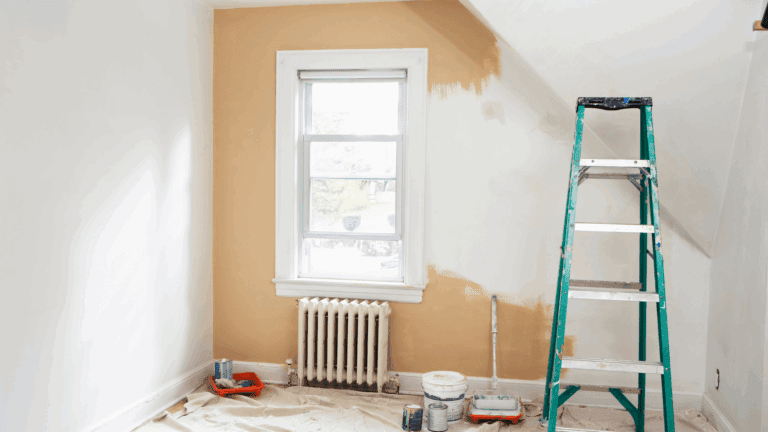
Not every transformation requires a gut renovation. In fact, some of the most dramatic updates are also the cheapest! A fresh coat of paint on walls or cabinets, modern light fixtures, updated cabinet knobs and faucets – these simple fixes can make a huge difference in look and feel.
Dutchess County homeowners often start with these cosmetic changes, because they deliver instant style on a dime. For example, painting your interior in neutral tones can make your home feel cleaner and more updated (40% of recent sellers painted interiors and said it helped their sale.)
New trim or a stylish backsplash can likewise refresh a room without major construction. Focus your budget on visible changes that give the most “bang for your buck” before considering any big structural remodels.
3. Reface, Don’t Replace
Why replace entire cabinets or fixtures if they’re still solid? Refacing or refinishing can give you the look of new for a fraction of the cost. For instance, instead of ripping out kitchen cabinets, you can reface them – install new doors and veneer on the frames – for about 30–50% less cost than custom new cabinets.
The same goes for bathroom vanities or even exterior elements like siding: repair and reface where possible. You’d be amazed how new cabinets look new after refacing, or how refinishing a hardwood floor is far cheaper than putting in all-new flooring. Always compare the cost of refurbishing versus full replacement.
In most cases, you’ll find that a little rehab work (painting, staining, new hardware) can achieve the desired aesthetic and performance without the hefty price tag of brand-new materials. And when you do need materials, consider sourcing from local suppliers or reuse stores (more on that in Tip #7!).
4. DIY Selective Tasks (But Know Your Limits)
Sweat equity is real – doing some work yourself can significantly cut costs on a remodel. Tasks like interior painting, removing old carpeting, basic landscaping, or even minor demolition are within reach for many handy homeowners. Taking on these simpler projects can save you the labor fees and give a satisfying sense of accomplishment.
However, it’s critical to know your limits and prioritize safety. Electrical, major plumbing, or structural changes should always be left to licensed professionals (mistakes in those areas can be dangerous and costly to fix). Keep in mind that DIY mishaps send thousands of people to the ER each year, so don’t take on complex tasks unless you’re truly qualified.
A great approach is a hybrid remodel: partner with a contractor who is open to a you-do-some, they-do-some arrangement. You might handle the prep work (like demolition or painting) and let the pros do the technical stuff. This way, you maximize savings without risking code violations or personal injury.
Related: How to Choose the Right Home Remodeling Contractor in Dutchess County, NY?
5. Use Stock or Prefab Materials Instead of Custom
Custom-built anything – cabinets, windows, doors, tiles – will cost a premium. The smart-budget move is to choose standard stock or prefab options for big-ticket items whenever possible. Mass-produced materials benefit from economies of scale, making them much more affordable than one-of-a-kind orders. For example, stock kitchen cabinets or ready-to-assemble vanities come at a fraction of custom prices, yet many offer excellent quality and style.
Similarly, consider pre-hung interior doors, standard-sized windows, or prefab countertops. You’ll find that these off-the-shelf products can be very attractive and durable, often indistinguishable from custom after installation. The cost savings are substantial – one case in point: a stock cabinet line might run $100–$200 per linear foot, whereas fully custom cabinets could be several times that.
By prioritizing readily available products from reputable manufacturers, you keep costs down without sacrificing quality. Save your budget for areas that truly need bespoke work, and use good prefabricated solutions for the rest.
6. Time Your Project Off-Season
Here’s a local secret: scheduling your remodel during the off-season can lead to discounts and faster timelines. In Dutchess County (and the Northeast), contractors tend to be less busy in late fall and winter once the big summer/fall renovation rush is over. This lower demand can mean more competitive pricing. In fact, experts note it’s often easier to hire a contractor and get a better price for interior projects in the winter.
Related: When Is the Best Time to Start a Home Renovation Project in Dutchess County, NY?
You might also find off-season deals on materials – for example, leftover tile or flooring inventory might go on sale as new models come in for spring. Of course, outdoor projects like decks or exterior painting need suitable weather, but many indoor renovations (basements, kitchens, baths) can be done in winter with no issue.
By timing your project for the slower season, you could save money and enjoy more scheduling flexibility. Just be sure to plan ahead and book contractors in early fall before their winter slots fill up.
7. Reuse or Salvage Quality Materials
One person’s “demo waste” can be another’s treasure. Embracing salvaged and gently used materials is a fantastic way to cut remodeling costs while adding character to your home. Dutchess County homeowners have access to local architectural salvage yards, Habitat for Humanity ReStores, and thrift building supply shops where you can find everything from vintage light fixtures and solid wood doors to reclaimed hardwood flooring – often at a fraction of retail cost.
Reusing materials isn’t just budget-friendly, it’s eco-friendly too. By giving new life to old bricks, cabinetry, or hardware, you reduce waste and conserve resources (even the EPA notes that recycling or reusing building materials can substantially reduce costs and landfill waste).
Before you buy brand-new, see if you can salvage: can that old clawfoot tub be refinished? Can you buy reclaimed barn wood for shelves? Many older materials are very high quality and lend unique charm. Local tip: Check out Dutchess County’s reuse centers or online marketplaces for surplus building materials. With a bit of patience and creativity, you might score high-end materials at basement prices – a win for your wallet and the planet.
Bonus Tip — Prioritize Rooms That Add the Most Value
If your budget is limited, focus on renovating the spaces that will give you the highest return on investment – both for your daily enjoyment and your home’s value. Kitchens, bathrooms, and front entry areas are widely considered the best places to put remodeling dollars. In fact, real estate experts note that buyers look at kitchens and baths first when evaluating a home.
You don’t have to do a full luxury remodel in these rooms; even minor improvements can yield major ROI. For example, a minor kitchen update (new countertops, refaced cabinets, updated appliances) can recoup around 70–80% of its cost in added value on resale.
Clean, modern bathrooms with updated fixtures and fresh caulk/tiles similarly make a big impact. And don’t forget the power of curb appeal: an attractive entry door or refreshed porch can boost your home’s perceived value tremendously.
Fun fact: replacing an old entry door with a new steel door can return over 100% of its cost in added value, according to remodeling ROI reports
By prioritizing kitchens, baths, and curb appeal, you ensure each budget dollar goes toward changes that matter most.
Budget-Friendly Doesn’t Mean Cutting Corners
Remodeling on a budget should never involve shoddy workmanship or unsafe shortcuts. Cost-conscious doesn’t mean you ignore building codes, permits, or quality standards. In fact, doing things “the right way” the first time saves money in the long run by preventing costly fixes, fines, or accidents. Always obtain any required permits and inspections for your project – skipping permits to save money can lead to legal trouble, voided insurance, or even having to undo work later
Prioritize critical structural and safety improvements (like fixing wiring or leaks) before cosmetic upgrades. It’s better to renovate one room properly than three rooms poorly. Focus on quality materials and craftsmanship in the areas you do choose to remodel – a well-built upgrade will last for decades, whereas cheap quick-fixes might fail and need replacing. And remember that contingency fund we mentioned: setting aside ~10–15% for the unexpected is part of doing it right.
By planning for safety and quality, you ensure your “budget remodel” still results in a sound, comfortable, and valuable home.
Remodeling in Dutchess County? Let’s Help You Maximize Every Dollar
Ready to transform your home without overspending? At Chiusano Design Build, we specialize in making Dutchess County renovations affordable, stylish, and stress-free. Our local expertise means we know where to save and when to invest for the biggest impact.
Whether you’re updating a single room or reimagining your whole home, we’ll work with your budget to deliver beautiful results. Don’t spend more – spend smarter.
Contact us today for a free consultation and let’s craft a budget-friendly remodeling plan tailored to your needs. Your dream home in Dutchess County is within reach – and we’re here to help you achieve it without compromise!
Budget Remodeling FAQs
Q: How much should I pay upfront?
A: Limit your deposit to 20–25% of the total project cost. Pay the rest in stages, with the final payment due after completion and inspections.
Q: What should a remodeling contract include?
A: It should list the timeline, detailed scope, materials, payment schedule, warranties, and change order process. Make sure both parties sign, and keep a copy for your records.
Q: Should I get multiple estimates?
A: Yes—aim for at least 3 written quotes with the same project details. Compare more than price by also weighing approach, qualifications, and overall fit.
Q: How long until work starts in Dutchess County?
A: Expect a wait of weeks to months due to vetting, design, permits, and scheduling. Top contractors may be booked a month or more in advance.