
The Smartest Home Renovation Upgrades We Made Before Selling in Dutchess County
Before listing our Dutchess County home, we asked ourselves a tough question:What will actually help us sell faster — and for more money — without wasting effort or budget? We knew that strategic, budget-conscious upgrades could pay off, especially in our competitive local market. Buyers around here appreciate modern amenities but also love the region’s classic charm.
With that in mind, we planned a few smart renovations to boost our home’s appeal and resale value. It worked: by focusing on the right projects, we attracted more buyers and even sold above our asking price. Below, we’ll share exactly which upgrades gave us the best bang for our buck, backed by research and real results.
Key Takeaways:
- Move-in ready sells: Today’s buyers pay a premium for turn-key homes. In fact, many are willing to spend about $13,000 more (roughly 4% extra) for a move-in-ready house over a fixer-upper. Surveys show nearly 94% of 2025 buyers consider a move-in-ready condition important, so pre-sale improvements can really pay off.
- Kitchens & baths are key: Renovating kitchens and bathrooms yields some of the highest returns. A minor kitchen remodel (new surfaces and fixtures, not a full gut job) recoups around 70–85% of its cost on average – far better ROI than upscale overhauls. Modest bathroom updates also make a big impact on buyers without overspending.
- Cosmetic updates = big impact: Never underestimate fresh paint and flooring. Neutral interior paint is the #1 pre-sale upgrade Realtors recommend (50% urge sellers to paint the whole home) newnari.org. New floors are equally worthwhile – installing hardwood flooring can actually add more value than it costs (often 100%+ cost recovered at resale). These simple updates make the home feel clean, modern, and move-in ready.
- Energy efficiency attracts buyers: Green upgrades were a priority for us. Replacing old windows and adding insulation not only lowered our utility bills – studies show buyers will pay more for homes with high energy-efficiency scores. Given that drafty windows can account for 25–30% of a home’s heat loss, improvements here boosted comfort and became a selling point (plus we took advantage of NYSERDA incentives for efficient windows and insulation).
- Curb appeal matters: First impressions drive buyer interest. We invested in exterior curb appeal upgrades that added real value – research finds that upgrading landscaping from “average” to “excellent” can increase a home’s value by around 10%. Simple fixes like a new front door also gave huge returns (a quality steel entry door often recoups 90–100% of its cost at resale). In short, making the home look well-kept outside drew in more buyers and higher offers.
Related: Exterior Renovations That Can Increase Your Home’s Value in Dutchess County
Why Renovating Before Selling Makes Sense in Dutchess County
In our region of Dutchess County, renovating before selling absolutely made sense. For one, local buyers today generally expect a home to be move-in ready. Many are busy professionals or NYC transplants who don’t want to tackle major repairs. Data backs this up: fixer-uppers currently sell for about 7% less than comparable homes that are already remodeled. We didn’t want to leave money on the table by selling “as-is.” By completing some strategic upgrades ourselves, we were able to list our home as well-maintained and turn-key – and buyers noticed.
Another reason is return on investment (ROI). The right improvements can significantly raise a home’s appraised value and appeal. We focused on projects with proven high ROI (you’ll see specifics below). For example, minor kitchen and bath remodels add considerable value relative to their cost, whereas very expensive custom renovations might not. We aimed for updates that would bump up our sale price more than they cost to do.
Upgrade #1 — Kitchen Refresh
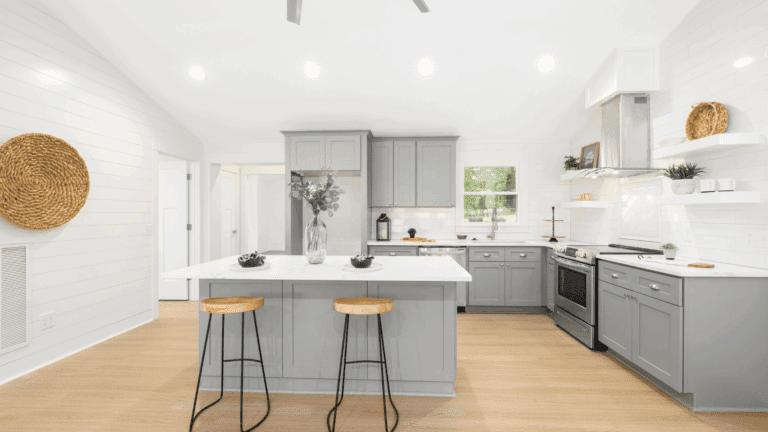
The kitchen is famously the heart of the home, and it’s often the make-or-break room for buyers. We knew an outdated kitchen could drag down our sale, but a full gourmet remodel would be costly and might not pay back in a sale. Instead, we opted for a budget-friendly kitchen refresh. This meant keeping the layout and cabinets, but giving everything a facelift. We refaced and repainted the cabinets in a modern neutral color and added stylish new hardware (handles and knobs) for a fresh look. We also installed a new tile backsplash (subway tile – classic and appealing to most) and updated the overhead lighting to a sleek LED fixture. Finally, we swapped out our older faucet for a nice new one and upgraded to stainless-steel appliances (we found energy-efficient models on sale).
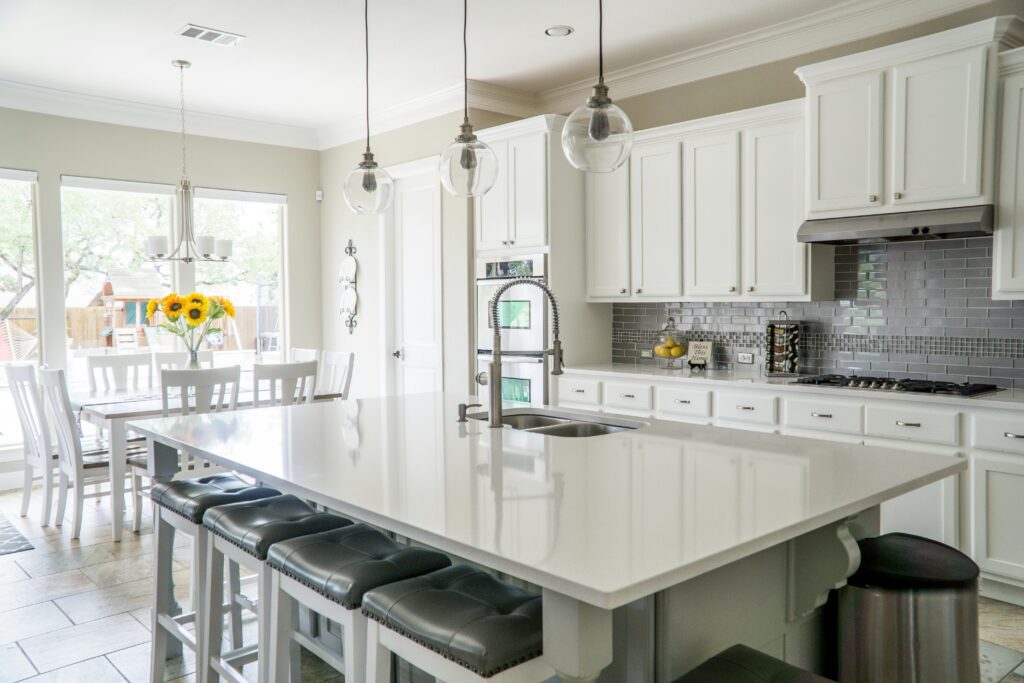
These changes completely transformed the look of the kitchen without tearing out walls or cabinets. The cost stayed relatively low, yet the visual impact was high – the kitchen now looks nearly new. Importantly, this kind of minor kitchen remodel is known to deliver a strong ROI. Remodeling industry data shows that a modest kitchen upgrade like ours can recoup about 75–85% of its cost in added home value on resale.
Upgrade #2 — Minor Bathroom Renovation
After the kitchen, bathrooms are the next most scrutinized rooms for buyers. We decided to refresh our main bathroom in a cost-effective way. Instead of a complete remodel, we did a minor bathroom renovation focused on cosmetics and fixtures. We replaced the old vanity with a new stylish one (which came with a granite top and modern sink bowl), and installed a new faucet and fixtures in a matching brushed nickel finish. We also hung a new mirror and light fixture above the vanity to update the look and improve lighting. In the tub/shower area, the tile was in decent shape, so rather than retiling, we simply regrouted and recaulked everything to look clean and seal any gaps. Finishing touches included a new low-flow toilet (inexpensive but makes the bathroom look newer) and fresh neutral paint on the walls
The result was a bathroom that felt clean, modern, and move-in ready. Even these small changes made a big difference – the space felt brighter and more inviting. This was achieved at a fraction of the cost of a full bathroom gut renovation. That’s important because the return on investment for upscale bathroom remodels is relatively low (often only about 50–60% of costs are recovered at resale). By sticking to a minor remodel, we kept our spending in check but still addressed the “wow factor” that helps sell a home. Our bathroom refresh definitely resonated with buyers – several people noted that the bathrooms felt “updated,” which gave them confidence that the home was well-maintained. (Need ideas for your bathroom? Check out our Bathroom Renovation services for inspiration.)
Upgrade #3 — Neutral Paint and Flooring
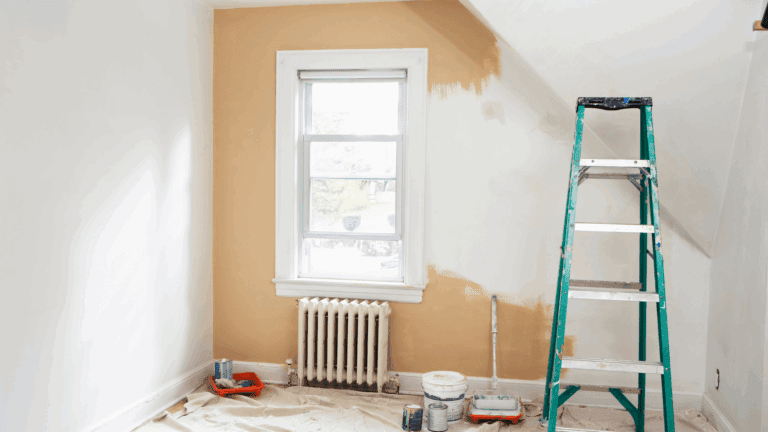
One of the simplest upgrades with the highest payoff was giving the house a top-to-bottom cosmetic refresh with neutral paint and new flooring. First, we repainted almost every interior wall in a soft, neutral color (we chose a warm light gray/beige, often called “greige”). This immediately made the home feel cleaner, brighter, and more spacious. Neutral tones appeal to the widest range of buyers, allowing them to easily imagine their own furniture and style in the space. Real estate experts consistently say that fresh paint is worth the effort before selling – in fact, painting the entire home is the most common pre-sale improvement agents recommend to sellers. It’s low-cost but has a big impact on perceived value.

One of the simplest upgrades with the highest payoff was giving the house a top-to-bottom cosmetic refresh with neutral paint and new flooring. First, we repainted almost every interior wall in a soft, neutral color (we chose a warm light gray/beige, often called “greige”). This immediately made the home feel cleaner, brighter, and more spacious. Neutral tones appeal to the widest range of buyers, allowing them to easily imagine their own furniture and style in the space. Real estate experts consistently say that fresh paint is worth the effort before selling – in fact, painting the entire home is the most common pre-sale improvement agents recommend to sellers. It’s low-cost but has a big impact on perceived value.
Upgrade #4 — Energy-Efficient Windows and Insulation
We also made some strategic energy efficiency upgrades, both to appeal to eco-conscious buyers and to improve the home’s comfort during the sale process. Our house had a few older double-pane windows that were a bit drafty, and the attic insulation was minimal by today’s standards. We decided to replace several windows with new Energy Star-rated vinyl windows that look great and seal tightly. We focused on the most visible and draft-prone windows (like the large living room picture window and old wood windows in the bedrooms). Not only did the new windows boost the home’s curb appeal (fresh white frames, no peeling paint), but they also helped with indoor temperature consistency. According to experts, inefficient windows and poor sealing can account for 25–30% of heating and cooling loss in a typical home. We felt the difference immediately – fewer drafts and quieter inside too.
Additionally, we added insulation in the attic (blown-in cellulose to increase R-value) and sealed up some gaps around ducts and plumbing penetrations. This is an upgrade buyers can’t see at first glance, but we made sure to mention it in our listing description (“upgraded insulation for energy efficiency”) because savvy buyers appreciate a well-insulated home. Lower energy bills are a strong selling point, especially in Dutchess County where we experience cold winters and hot summers. In fact, one study by the American Council for an Energy-Efficient Economy found that buyers are willing to pay more for homes with higher energy-efficiency scores. It makes sense – a home that’s easier (and cheaper) to heat and cool is more valuable in the long run.
Upgrade #5 — Exterior Improvements That Boosted Curb Appeal
We knew that no matter how nice the interior was, curb appeal would shape buyers’ first impressions. So we put effort into a few exterior upgrades that really boosted our home’s curb appeal. The biggest change was our front entry: we replaced our old, weathered front door with a new steel front door in a stylish color. This immediately gave the house a face-lift. A quality steel or fiberglass door not only looks great but also improves security and energy efficiency. From a value perspective, this was a slam dunk – a new entry door is consistently rated one of the highest-ROI upgrades nationwide, often returning close to 100% of its cost when you sell. It certainly helped make our home’s entrance more inviting; several visitors mentioned the “nice front door” on arrival.
We also refreshed the landscaping and exterior details. This included trimming overgrown shrubs, adding fresh mulch to garden beds, and planting some seasonal flowers near the walkway for a pop of color. We updated the house numbers and mailbox for a more modern look, and we gave the front porch a fresh coat of paint. These may sound like small things, but together they made the home look well-kept and welcoming. Real studies support doing this: a Virginia Tech study found that upgrading an “average” landscape to an “excellent” landscape design can increase a home’s value by around 10%. Even basic lawn care and landscaping maintenance have been shown to add value (not to mention they help attract buyers online with better photos).
ROI Breakdown: What Actually Paid Off
You might be wondering how all these upgrades translated into dollars and cents at sale time. We certainly kept track to make sure our investments were worthwhile. Here’s a quick ROI breakdown of what paid off the most for us:
- Kitchen and Bathroom Refreshes: These had a very strong return. Based on our home’s appraisal and buyer feedback, the updated kitchen and baths likely returned on the order of 70–80% of what we spent, aligning with national averages. More importantly, they made the home far more attractive to buyers, which helped drive multiple offers. It’s often said minor kitchen/bath remodels are “worth it,” and we agree – they helped us sell for top dollar.
- Paint and Flooring: The ROI here was exceptional. The cost was relatively low, but the impact on value was high. In fact, a survey by Zillow found that just painting and doing basic landscaping can help a home sell for about 10% more than a similar home in less well-kept condition. We don’t have an exact number, but we’re confident our few thousand dollars on paint/floors added many thousands to our sale price. The home looked move-in ready, which increased what buyers were willing to pay.
- Windows and Efficiency Upgrades: Financially, new windows are a bit pricier, but we believe they paid off in two ways: a decent bump in appraised value and a smoother sale. Older homes without updates often get hit with buyer requests or lower offers. By investing in efficiency (windows, insulation), we signaled quality. While we might not recoup 100% of those costs directly, energy-efficient homes do fetch a premium with many buyers. Plus, we enjoyed the benefits (and rebates) in the meantime.
- Curb Appeal & Door: These offered nearly immediate payback. The new front door was a star – it cost under $2,000 installed, and based on data (and our sale), we likely got all of that back in value (entry door replacements typically recoup ~100% of cost). The landscaping and exterior touch-ups also created a competitive advantage that’s hard to quantify but very real. Our realtor remarked that buyers’ first impressions were extremely positive, which set the tone for higher offers.
When all was said and done, we spent a reasonable sum on pre-sale upgrades – roughly 5% of our home’s value – and it contributed to an increase of about 10% in our sale price, according to the offers we received. In other words, the upgrades more than paid for themselves. Industry surveys show this is common: home sellers who invest in smart improvements often see higher returns. One national survey found sellers typically spend around $5,400 on prep projects and those homes can sell for up to 10% more if they appear well-maintained. Our experience echoed that. We attracted more buyers and even incited a small bidding war, whereas similar homes without updates sat longer on the market.
Of course, not every project will yield dollar-for-dollar returns, so it’s important to choose wisely. We were careful to pick renovations with proven value (and to avoid over-renovating beyond what our market would support). In the end, seeing the sale result, we have zero regrets about any upgrade we did – each one played a part in our successful sale, either by boosting the price or by preventing hurdles in the transaction (no buyer repair credits needed for our house!). That’s the true payoff of strategic pre-sale renovations.
Tips for Dutchess County Homeowners Planning to Sell
If you’re a homeowner in Dutchess County thinking about renovating before selling, here are some tips we learned along the way:

- Don’t over-renovate or personalize too much. Aim for improvements that have broad appeal. Neutral colors, classic finishes, and upgrades that simply bring your home to the neighborhood standard (or slightly above) are ideal. If you pour money into highly customized or luxury upgrades that go far beyond your area’s norm, you may not get that money back in the sale.
- Focus on high-ROI areas first. Not sure where to start? Prioritize the kitchen, bathrooms, and curb appeal. These are the “big three” that frequently sway buyers’ decisions. Our realtor actually told us the same thing: most buyers fall in love (or not) with a house based on the kitchen, the owner’s bathroom, and how the house looks from the street. Data backs this up – Realtor surveys note that kitchen upgrades, new roofing, and bathroom remodels are among the most in-demand projects before sale.
- Repair the basics and deferred maintenance. Before doing any shiny remodels, fix any glaring issues. Leaky roof? Fix it. Old furnace not working right? Repair or service it. Buyers will often do inspections, and major problems can kill deals or force you to credit the buyer.
- Mind your budget – you don’t need to spend a fortune. A common question is “How much should I spend on pre-sale improvements?” The answer will vary, but a helpful benchmark: many sellers spend around 1%–2% of the home’s value on touch-ups and repairs before listing (our spend was slightly higher because of windows). Even modest spending can go far.
Related: 7 Smart Ways Dutchess County Homeowners Are Saving Big - Consult a local real estate pro. Finally, don’t hesitate to get advice from a Dutchess County realtor or a renovation consultant (like us at Chiusano Design Build) before doing huge projects. A local expert can tell you what features buyers are currently looking for in your area and price range. They may say, for example, that finishing the basement won’t add as much value as you think, but converting an old half-bath to a full bath would be a game changer – it depends on your market. We spoke with an agent early on and it helped confirm where to focus. An experienced eye can prevent you from wasting money or missing something important.
Following these tips can help you maximize ROI and avoid seller’s remorse about money spent. The goal is to present buyers with a home that feels turn-key and well-cared-for, without overspending on changes that won’t pay off. If you hit that balance, you’re setting yourself up for a faster sale at a great price.
Need Help with Pre-Sale Renovations?
Preparing your home for sale can feel overwhelming, but you don’t have to do it alone. Chiusano Design Build is here to help Dutchess County homeowners make smart, value-boosting improvements before selling. We specialize in knowing which upgrades matter most in our local market. From a quick kitchen update to an exterior facelift, our team can handle the renovations that will maximize your home’s appeal and price. We’ll even provide honest guidance if we think a project isn’t worth it – our goal is to help you invest wisely and get the best return.
Thinking of selling and not sure where to start with fixing up your home? Schedule a renovation strategy session with us! We’ll walk through your property, discuss your timeline and budget, and develop a tailored plan to get your home sale-ready (and buyer-ready). Even small tweaks can make a big difference – and we love finding creative, cost-effective solutions for our clients.
At Chiusano Design Build, we’ve helped many homeowners in the Hudson Valley and Dutchess County successfully renovate before listing. The results speak for themselves: faster sales, higher offers, and less stress for our sellers. If you want that kind of outcome, let’s talk. Contact us today to get started, or visit our Home Remodeling Services page to learn more about what we do. We’re excited to be your partner in making your home sale a big success!
Pre-Sale Renovation FAQs
What are the best ROI upgrades to do before selling a house in Dutchess County?
Minor kitchen and bath updates, fresh neutral paint, and curb appeal projects (like landscaping or a new front door) deliver the best returns. Fixing small maintenance issues also prevents buyer red flags.
Should I renovate my kitchen before selling?
Yes, if it’s outdated. Focus on modest updates—painted cabinets, new counters, updated appliances—since minor remodels usually return more than expensive, full-scale renovations.
How much should I spend on home improvements before listing?
Aim for 1–3% of your home’s value. Most sellers spend around $5K on painting, landscaping, and minor repairs—enough to make the home move-in ready without overspending.
Will buyers pay more for energy-efficient features?
Often yes. Features like new windows, insulation, or efficient appliances can attract more buyers and sometimes increase sale price—especially if highlighted in your listing.
Can I sell my home “as-is” without doing renovations?
Yes, but expect offers 10–20% lower. Even minimal fixes like paint, cleaning, and small repairs can help reduce that discount.