What Is Home Restoration? A Complete Guide to Bringing Your Home Back to Life
Home restoration is the comprehensive process of repairing and returning a property to its original condition or improving it while preserving historical character. Unlike renovation which modernizes, restoration focuses on authenticity, structural integrity, and preserving architectural details. The process typically involves assessment, planning, skilled craftsmanship, and can range from $50,000 to over $200,000 depending on scope and property condition.
Introduction: Understanding the True Meaning of Home Restoration
Home restoration is the art and science of bringing a property back to its former glory while maintaining its authentic character and structural integrity. This comprehensive process goes far beyond simple repairs or cosmetic updates. It involves carefully analyzing the existing structure, identifying damage or deterioration, and implementing solutions that honor the home’s original design while ensuring it meets modern safety and livability standards.
Whether you’re dealing with a century-old Victorian, a mid-century modern gem, or simply a beloved family home that’s seen better days, understanding what restoration truly entails helps you make informed decisions about your property’s future.
Key Takeaways
- Home restoration preserves original character while repairing structural damage and updating essential systems for modern living
- Restoration differs fundamentally from renovation by focusing on authenticity rather than modernization or complete redesign
- Costs typically range from $50,000 to $200,000+ depending on home size, condition, historical significance, and scope of work
- Professional expertise is essential for proper assessment, historical accuracy, and navigating building codes and preservation requirements
- Timeline varies significantly from 3 months for minor projects to 18+ months for comprehensive historical restorations
- ROI extends beyond finances including preservation of architectural heritage, improved structural integrity, and enhanced property value
What Does Home Restoration Actually Mean?
Home restoration refers to the process of returning a building to a documented earlier state by removing later additions and replacing missing original features. The goal is authenticity and historical accuracy. This means carefully researching the property’s history, understanding original construction methods, and using period-appropriate materials and techniques whenever possible.
The restoration process addresses multiple aspects of the home simultaneously. Structural components like foundations, framing, and roofing receive critical attention to ensure stability and longevity. Architectural details such as moldings, windows, doors, and decorative elements are preserved, repaired, or faithfully reproduced. Building systems including electrical, plumbing, and HVAC are updated to meet current codes while minimizing visual impact on historical elements.

The Core Components of Property Restoration
Every restoration project involves distinct phases that build upon each other. The assessment phase involves comprehensive inspection by specialists who identify structural issues, code violations, and opportunities for preservation. This includes examining foundations, load-bearing walls, roof systems, and hidden components that may have deteriorated over time.
Planning and documentation follow assessment, requiring detailed drawings, material specifications, and schedules. Historical research may involve consulting original blueprints, period photographs, or architectural records. Budget development accounts for both anticipated work and contingencies for unexpected discoveries common in older properties.
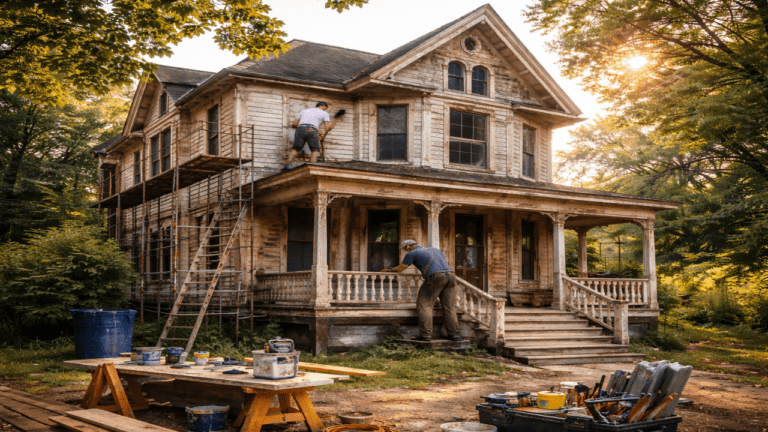
The execution phase brings plans to life through skilled craftsmanship. This is where restoring old house projects truly take shape, with specialists working on everything from foundation repairs to window restoration to plaster restoration using traditional techniques.
How Is Restoration Different From Renovation or Remodeling?
While renovation seeks to improve or modernize a space, restoration aims to preserve and return it to an earlier state. This fundamental difference drives every decision in the project. Renovation might involve tearing out original features to create an open floor plan or installing contemporary finishes. Restoration carefully preserves original room configurations, repairs rather than replaces historical elements, and maintains architectural authenticity.
Remodeling goes even further than renovation, often changing the structure and function of spaces entirely. A remodel might convert a formal dining room into a home office or combine multiple small rooms into one large space. Restoration maintains the original intended use of spaces and their relationships to one another.
When Restoration Makes More Sense Than Renovation
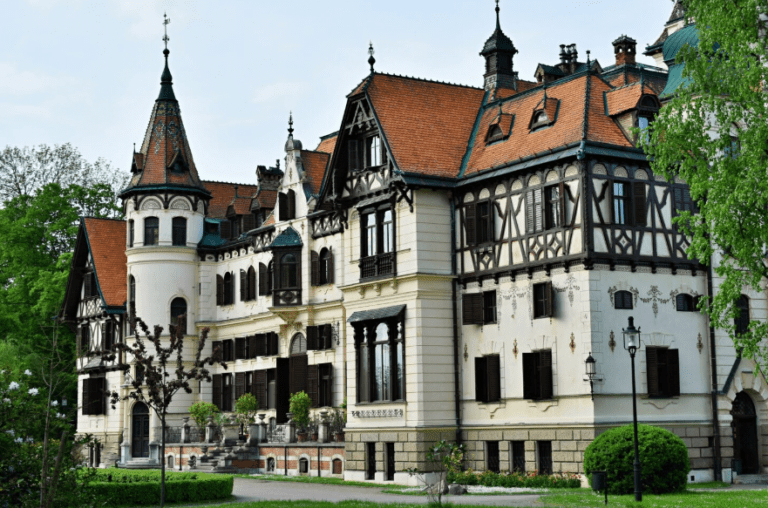
Certain situations clearly call for restoration over renovation. Homes with historical significance, unique architectural features, or landmark status require restoration to maintain their value and cultural importance. Properties in historic districts often face regulations requiring restoration approaches that preserve character-defining features.
From a practical standpoint, homes with high-quality original materials and craftsmanship benefit more from restoration. Hand-carved woodwork, solid plaster walls, old-growth timber framing, and custom architectural details represent irreplaceable value that exceeds modern equivalents. When you’re considering home restoration, evaluating these original features helps determine the most appropriate approach.
| Aspect | Restoration | Renovation |
| Primary Goal | Preserve historical accuracy | Modernize and improve |
| Original Features | Preserved and repaired | Often replaced or removed |
| Materials | Period-appropriate, authentic | Contemporary, cost-effective |
| Layout Changes | Minimal, respecting original design | Flexible, based on current needs |
| Typical Cost | $100-300+ per square foot | $50-150 per square foot |
What Are the Main Types of Home Restoration Projects?
Restoration projects vary widely in scope, from targeted repairs of specific elements to comprehensive whole-house transformations. Understanding the different types helps homeowners identify what their property needs and set realistic expectations for timeline and investment.
Structural Restoration
Structural restoration addresses the bones of the building—foundations, framing, and load-bearing elements. This critical work ensures the home remains safe and stable for decades to come. Foundation repairs might involve underpinning, crack sealing, or drainage improvements. Framing restoration tackles issues like rot, insect damage, or inadequate structural support that may not meet modern codes.
This type of restoration often remains invisible in the finished project, yet it represents the most important investment in the property’s longevity. Without proper structural integrity, all other restoration efforts remain at risk. Structural work typically must be completed before cosmetic restoration can proceed.
Exterior Restoration
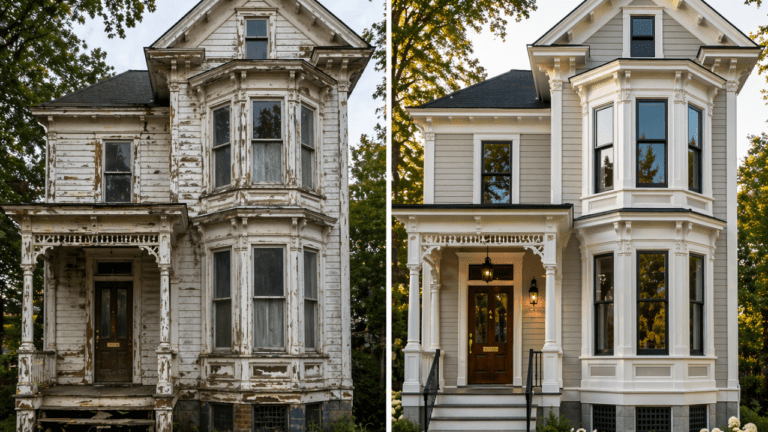
The building envelope—roofing, siding, windows, and doors—protects everything inside from the elements. Exterior restoration preserves these protective barriers while maintaining historical appearance. Roof restoration might involve replacing deteriorated shingles with historically accurate materials, repairing or rebuilding chimneys, and addressing water infiltration issues.
Window restoration presents particular challenges and opportunities. Original windows often feature superior craftsmanship and materials compared to modern replacements. Professional restoration can repair frames, replace glass, install proper weatherstripping, and restore operability while preserving the character and thermal performance of these important features.

Interior Restoration
Interior restoration brings the home’s living spaces back to their original beauty while incorporating necessary modern conveniences. Plaster repair and restoration maintains the superior sound-dampening and fire-resistance properties of traditional wall systems. Woodwork restoration preserves original trim, doors, built-ins, and flooring through careful repair, refinishing, or selective replacement.
Historic finishes require specialized knowledge and techniques. Original paint colors can be uncovered through analysis of paint layers. Period-appropriate wallpapers may need to be sourced from specialty suppliers. Decorative plasterwork and ceiling medallions often require skilled artisans to repair or recreate damaged sections.
Systems Restoration and Upgrades
Modern homes require functional electrical, plumbing, heating, and cooling systems that didn’t exist when many historic properties were built. Systems restoration carefully integrates these necessities while minimizing impact on historical fabric. Electrical updates might involve running new wiring through existing walls, installing period-appropriate fixtures, and concealing modern conveniences behind historical facades.
Plumbing restoration balances authentic fixtures with reliable modern components. Cast-iron bathtubs can be refinished, vintage faucets rebuilt, and period-style fixtures sourced to maintain aesthetic consistency. HVAC integration presents challenges in older homes not designed for ductwork, often requiring creative solutions like mini-split systems or hydronic heating that work within existing constraints.
How Much Does Home Restoration Typically Cost?
Home restoration costs vary dramatically based on property size, condition, historical significance, and project scope, typically ranging from $50,000 for basic projects to well over $300,000 for comprehensive historical restorations. Understanding cost factors helps property owners budget realistically and make informed decisions about project scope.
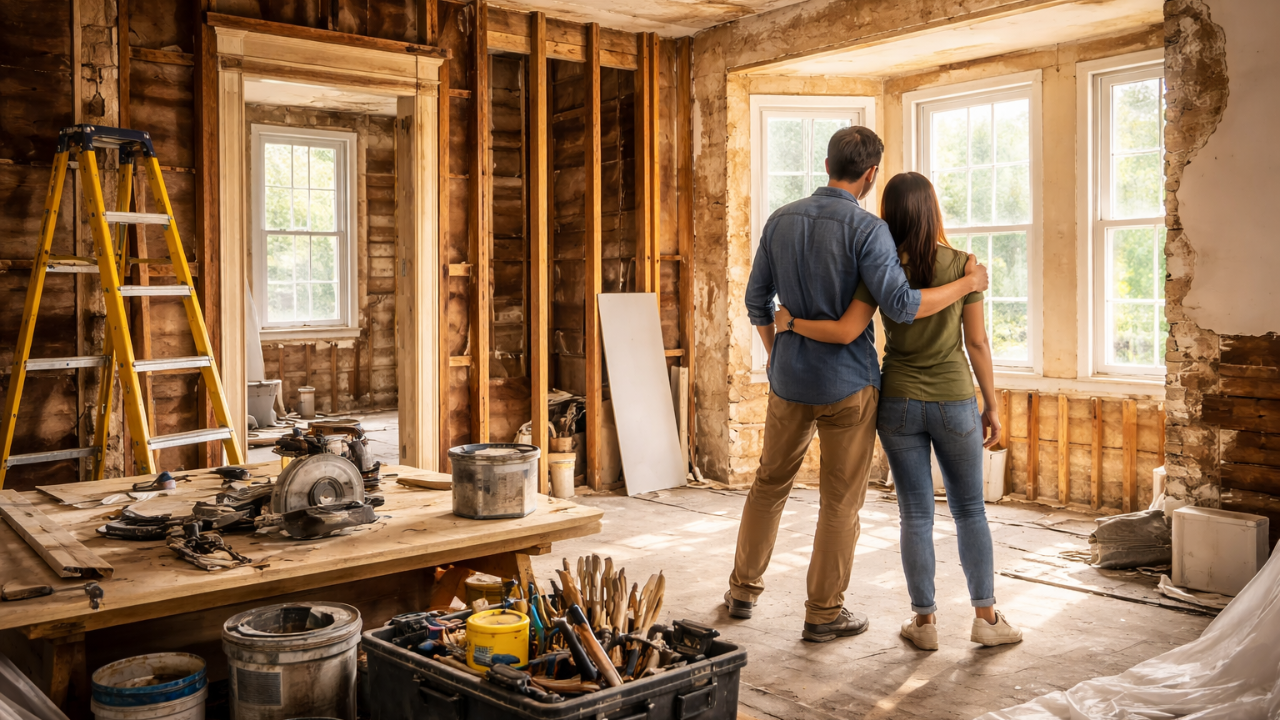
The condition of the existing structure significantly impacts costs. A well-maintained home requiring primarily cosmetic restoration costs substantially less than a severely deteriorated property needing extensive structural repairs. Hidden damage discovered during demolition frequently adds unexpected expenses, making contingency budgets essential.
Cost Breakdown by Project Scope
Minor restoration projects addressing specific elements typically start around $50,000. This might include exterior painting with proper surface preparation, repairing and refinishing original hardwood floors, or restoring a single room to period authenticity. These focused efforts make sense when the overall structure remains sound but specific features need attention.
Moderate restoration projects ranging from $100,000 to $150,000 address multiple systems and spaces. This budget accommodates updating electrical and plumbing systems, restoring multiple rooms, addressing deferred maintenance issues, and making necessary structural repairs. For many homeowners, this investment level provides the sweet spot between preserving character and ensuring modern functionality.
Comprehensive restoration exceeding $200,000 transforms severely deteriorated properties or tackles historically significant homes requiring exacting standards. These projects might involve foundation reconstruction, complete systems replacement, extensive millwork restoration or reproduction, and historically accurate finishes throughout. Properties with landmark status or those seeking historical tax credits often require this level of investment.
| Restoration Element | Cost Range | Key Factors |
| Foundation Repair | $10,000-$50,000+ | Extent of damage, accessibility, soil conditions |
| Roof Restoration | $15,000-$40,000 | Roofing material, complexity, chimney work |
| Window Restoration | $800-$1,500 per window | Size, condition, hardware requirements |
| Plaster Repair | $8-$20 per sq ft | Damage severity, ceiling vs walls, decorative elements |
| Hardwood Floor Restoration | $4-$10 per sq ft | Wood type, condition, finish requirements |
| Electrical Systems | $8,000-$25,000 | Home size, panel upgrade, fixture count |
| Plumbing Systems | $6,000-$20,000 | Pipe replacement extent, fixture selection, bathrooms |
Factors That Increase Restoration Costs
Several factors can significantly escalate project expenses beyond base estimates. Historical accuracy requirements often necessitate custom fabrication of architectural elements, specialty materials sourced from limited suppliers, and craftspeople with specialized skills commanding premium rates. These costs reflect the reality that mass-produced modern components simply cannot replicate the quality and character of historical features.
Code compliance in older homes presents unique challenges. Bringing electrical, plumbing, and structural systems up to current standards while preserving historical integrity requires creative problem-solving and often costs more than new construction. Accessibility improvements, energy efficiency upgrades, and safety enhancements add value but increase investment.
Property location affects labor costs, material availability, and permit requirements. Urban restoration projects may face higher labor rates but better access to specialized craftspeople. Rural properties might save on labor but incur higher material delivery costs and limited contractor availability. Climate and environmental factors influence material choices and weatherproofing requirements.
What Are the Benefits of Choosing Home Restoration?
Home restoration preserves irreplaceable architectural heritage while creating beautiful, functional living spaces that honor the past and serve the present. The benefits extend far beyond aesthetics, touching financial, environmental, and cultural considerations that make restoration a wise investment.
Preserving Architectural and Historical Value
Every restored home represents a tangible connection to architectural history and craftsmanship techniques often lost in modern construction. Original materials like old-growth timber, solid plaster, and hand-forged hardware possess qualities impossible to replicate economically today. Preservation maintains this heritage for future generations while keeping neighborhood character intact.
Communities benefit when historic properties receive proper restoration rather than demolition or insensitive renovation. Restored homes anchor neighborhoods, support property values, and maintain the visual continuity that creates sense of place. This cultural value often extends beyond the individual property owner to benefit entire communities.
Superior Building Quality and Longevity
Older homes were often built using superior materials and construction methods compared to modern equivalents. Properly restored, these buildings can outlast new construction by decades or even centuries. Solid wood framing, thick plaster walls, and quality masonry provide durability and performance that particle board, drywall, and vinyl siding cannot match.
The thermal mass of thick walls, quality of original windows properly restored, and craftsmanship of original construction often yield better real-world performance than modern alternatives. While new buildings may meet code minimums, restored historic homes frequently exceed them in actual use.
Environmental Sustainability
Restoration represents the ultimate recycling project. Reusing existing structures avoids the massive waste stream generated by demolition and new construction. The embodied energy in existing materials—the resources required to produce, transport, and install them—is preserved rather than wasted.
Material quality in older homes supports sustainability goals. Solid wood components can be repaired indefinitely, unlike laminated or engineered products designed for limited lifespans. Natural materials like plaster, wood, and masonry allow buildings to breathe, managing moisture more effectively than modern vapor barriers and reducing problems like mold and indoor air quality issues.
Financial Returns and Property Value
Well-executed restoration projects typically return 60-80% of investment through increased property value, with some historically significant properties achieving even higher returns. Beyond resale value, restored homes often command premium rental rates and sell faster than comparable properties lacking character and quality.
Certain restoration projects qualify for tax incentives at federal, state, or local levels. Properties listed on historic registers or located in designated districts may access rehabilitation tax credits offsetting 20-40% of qualified expenses. These financial incentives make restoration economically competitive with new construction or conventional renovation.

How Long Does a Home Restoration Project Take?
Restoration timelines vary from 3 months for focused projects to 18 months or more for comprehensive whole-house restorations, with most projects falling in the 6-12 month range. Multiple factors influence duration, making realistic timeline expectations crucial for project success and homeowner satisfaction.
Project scope directly determines timeline. Addressing a single system or space naturally proceeds faster than whole-house restoration. However, even focused projects require proper sequencing, curing times for materials like plaster, and coordination between different trades that prevent rushing.
Phases and Timeline Expectations
The planning and permitting phase typically requires 1-3 months before physical work begins. This includes detailed assessment, architectural drawings, material specifications, contractor selection, and obtaining necessary permits. Historical properties may require additional approvals from preservation boards or landmark commissions extending this timeline.
Demolition and structural work form the foundation of restoration, typically consuming 2-4 months. Removing damaged materials, making structural repairs, and addressing hidden problems discovered during demolition occurs during this phase. Discovery of unexpected issues represents the most common cause of timeline extensions, making contingency planning essential.
Systems installation and rough-in work proceeds once structural repairs are complete, requiring 1-3 months. Electrical, plumbing, and HVAC systems are installed and inspected before walls close up. This phase demands careful coordination to avoid conflicts between trades and ensure proper sequencing.
Finish work and final details often require 2-4 months, sometimes longer for complex historical reproductions or custom millwork. Plaster curing, multiple paint coats, wood finishing, and installation of architectural details cannot be rushed without compromising quality. This final phase makes or breaks the project’s success, deserving adequate time and attention.
Why Choose Professional Restoration Contractors?
Professional restoration contractors bring specialized knowledge, proven techniques, and established supplier relationships that DIY efforts or general contractors cannot match. The complexity of preservation work, importance of historical accuracy, and need for proper building science understanding make expertise essential.
Experienced restoration professionals understand period construction methods, can identify appropriate materials and techniques, and know how to work within historical constraints while meeting modern codes. They maintain relationships with specialty suppliers, skilled craftspeople, and preservation consultants necessary for quality restoration work.
What to Look for in a Restoration Contractor
Portfolio review reveals contractor capabilities and aesthetic sensibility. Look for projects similar to yours in age, style, and scope. Quality restoration work shows attention to detail, proper material selection, and successful integration of modern systems within historical contexts.
Certifications and professional affiliations indicate commitment to preservation standards. Membership in organizations like the National Trust for Historic Preservation, state historical societies, or local preservation groups suggests specialized knowledge. Certifications in lead-safe work practices, historical window restoration, or traditional plastering demonstrate specific technical expertise.
References from previous clients provide insight into working relationships, problem-solving abilities, and project outcomes. Ask about communication, timeline management, budget adherence, and satisfaction with finished results. Visit completed projects when possible to assess quality firsthand.
Frequently Asked Questions About Home Restoration
What is the meaning of home restoration?
Home restoration means returning a property to a previous state of completeness or functionality by repairing damage and replacing missing or deteriorated elements using period-appropriate materials and techniques. The goal is preserving historical character and architectural integrity while ensuring the home meets modern safety standards and livability requirements. This process differs from renovation by prioritizing authenticity over modernization.
Is $100,000 enough to renovate a house?
Whether $100,000 suffices for restoration depends on home size, condition, and project scope. For a modest home requiring moderate restoration work—perhaps updated systems, some structural repairs, and finish restoration in key rooms—this budget can accomplish meaningful results. However, comprehensive restoration of larger homes, properties in poor condition, or those requiring historically accurate reproductions typically requires $150,000 to $300,000 or more. Professional assessment helps establish realistic budgets for your specific property.
What is the meaning of property restoration?
Property restoration encompasses the complete process of repairing and returning buildings and grounds to proper condition or earlier states. Beyond the structure itself, property restoration may include landscaping features, outbuildings, fencing, and site elements contributing to historical character. The term applies to residential, commercial, and institutional properties, with approaches tailored to each property’s significance, condition, and intended use while maintaining historical authenticity.
What’s the difference between a renovation and a restoration?
Renovation focuses on improving and modernizing spaces to meet current preferences and lifestyles, often changing original features or layouts for contemporary needs. Restoration prioritizes preserving and returning features to their original state using authentic materials and techniques. Renovation might replace original windows with modern units for efficiency; restoration repairs and weatherizes original windows to maintain character while improving performance. The fundamental distinction lies in whether the goal is modernization or preservation of historical authenticity.
Is $50,000 enough to renovate a house?
For restoration work, $50,000 typically covers focused projects addressing specific elements rather than whole-house restoration. This budget might accomplish exterior painting with proper preparation, restoring original flooring in several rooms, updating a single bathroom while preserving fixtures, or repairing and refinishing extensive woodwork. Strategic deployment of limited budgets through phased restoration allows homeowners to preserve important features over time as resources allow, making restoration accessible even with moderate budgets.
Conclusion: Bringing Your Home’s Story Back to Life
Home restoration represents more than construction work—it’s an investment in preserving architectural heritage, maintaining community character, and creating beautiful living spaces that honor craftsmanship and quality. Whether your property requires focused repairs or comprehensive restoration, understanding the process, costs, and benefits empowers you to make informed decisions that serve both your home and your goals.
The key to successful restoration lies in partnering with experienced professionals who understand historical construction, appreciate architectural integrity, and possess the skills to execute quality preservation work. From initial assessment through final details, expert guidance ensures your project honors your home’s past while securing its future.
If you’re considering restoration for your historic property or beloved family home, professional guidance makes all the difference. Chiusano Design Build LLC brings decades of experience in thoughtful restoration projects throughout the Hudson Valley, combining respect for architectural heritage with modern building science. Our team understands the unique challenges and opportunities historic properties present, and we’re committed to delivering results that exceed expectations while honoring your home’s character.
Ready to explore what restoration could mean for your property? Contact Chiusano Design Build LLC at 845-201-9450 to schedule a consultation. We’ll assess your home’s condition, discuss your goals, and develop a thoughtful approach that brings your property’s story back to life while creating spaces you’ll love for years to come.