

Is a Kitchen Renovation Worth It in Dutchess County? Here’s How It Boosted Our Home’s Value and Comfort
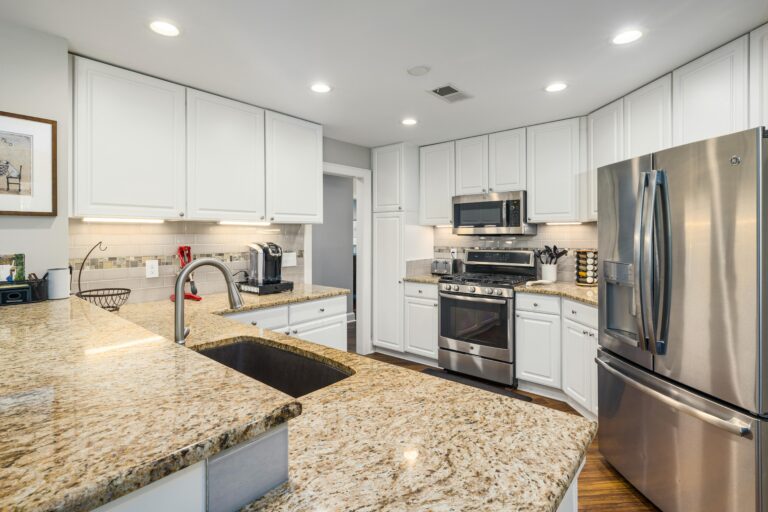
Our 90s kitchen was an eyesore – dated oak cabinets, flickering fluorescent lights, and scuffed linoleum floors. It not only looked tired, it made cooking feel like a chore. We finally decided to do something about it, embarking on a long-awaited kitchen renovation in our Dutchess County home. In this blog, we’ll share how that remodel transformed both our daily comfort and our home’s value.
We’ll cover the realistic costs in the Dutchess County area, the return on investment (ROI) you might expect, the surprise benefits to our lifestyle, and even what we might do differently next time. We’ll also touch on what’s unique about remodeling a kitchen in the Dutchess County, from older home quirks to permitting. By the end, you should have a clearer idea whether a kitchen renovation is worth it for you.
Understanding the Cost of a Kitchen Renovation in Dutchess County
- Planning your budget is step one for any remodel. So, how much does a kitchen renovation cost around the Dutchess County? It depends on your project’s scope and tastes. A midrange kitchen remodel (think new cabinets, countertops, and appliances without moving walls) might cost around $75,000–$80,000 on average.
- An upscale major kitchen overhaul with high-end finishes can easily run into six figures – often $150,000 or more. National data backs this up, and local costs in the Dutchess County tend to track closely with these ranges. Of course, smaller “facelift” renovations (refinishing cabinets, replacing fixtures) can be much less, perhaps in the $20K–$30K range, while a truly gourmet kitchen could exceed $200K if you go all out on luxury features. The general rule from experts is to budget about 10-15% of your home’s value for a kitchen remodel – for example, a $400,000 home might warrant a $40–60K kitchen investment.
- Key cost factors include your kitchen’s size, the materials and finishes you choose, and whether you opt for custom work. Cabinets and hardware are usually the single biggest expense, often consuming about 25–30% of the budget. (Quality cabinetry is pricey, so many homeowners splurge here.) Labor and installation typically account for ~20%, and new appliances around ~15%. High-end quartz countertops, hardwood flooring, and premium fixtures will all push your costs upward. By contrast, using stock or ready-to-assemble cabinets, laminate counters, or keeping your layout the same can save money.
- It’s also wise to build in a cushion for unexpected expenses. Permit costs are another factor: any significant kitchen remodel (involving electrical, plumbing, or wall changes) will require permits. In the Dutchess County, a remodeling permit typically costs a few hundred dollars up to around ~$1,000, depending on the project’s scope. (For example, permits for a kitchen remodel generally run $500–$1,500 in many areas.) Don’t forget seemingly small items either – upgrading lighting, adding flooring underlayment, or installing new drywall all carry costs that add up. Our advice is to set aside about 10–15% of your budget for contingencies, so surprises don’t derail your project.
How Our Kitchen Renovation Improved Home Value
One big reason homeowners remodel is to increase their property value. We definitely wondered: Will sinking all this money into our kitchen pay off if we sell? In our experience – and according to real estate experts – a kitchen renovation does boost your home’s value, although rarely dollar-for-dollar. After our remodel, our home’s appraised value did rise, and the kitchen was a major factor. More importantly, potential buyers who’ve visited have raved about the kitchen; we’ve turned a dated space into a modern selling point.
To speak generally, data shows that kitchen projects tend to recoup a significant chunk of their cost in increased value. Most remodels recoup somewhere around 50% to 80% of the investment when you sell the home. The exact ROI depends on the scale of the project and how soon you sell. For instance, minor, surface-level kitchen upgrades (new paint, refaced cabinets, updated fixtures) can deliver a very high return – sometimes 70–90% or more of the cost is reflected in resale value. A bigger structural remodel or upscale chef’s kitchen might recoup closer to ~50-60% of its cost in added value.
In one National Association of Realtors® study, the average kitchen renovation had about a 67% cost recovery at resale. Another report found both minor kitchen remodels and complete kitchen renovations added roughly 60% of their cost in home value on average. In short, you likely won’t make money on a kitchen redo, but you’ll get a good portion back – and your house may sell faster to boot.
Equally important, a great kitchen really impresses buyers. Real estate agents often say the kitchen can make or break a sale, and surveys bear this out. According to one survey, 55% of home buyers said that a good kitchen could convince them to buy a home they otherwise wouldn’t. (On the flip side, an ugly, outdated kitchen will turn buyers away – a majority said they’d pass on a home with an unattractive kitchen.) In the Dutchess County market, where many homes are older or historic, a newly renovated kitchen can give your property a competitive edge.
Upgrades That Were Worth Every Penny
Not all kitchen upgrades are created equal. We definitely splurged in a few areas that, in hindsight, were worth every penny for the value and enjoyment they add:
- Soft-Close Cabinets and Drawers: Outfitting our cabinets with soft-close hinges and drawer slides was a relatively small upcharge, and it’s a daily delight. No more slammed cabinet doors – everything closes smoothly and quietly. It gives the kitchen a high-quality, luxurious feel and should reduce wear-and-tear over time. Many homeowners love this feature and it subtly signals “upgraded kitchen” to buyers.
- Under-Cabinet Lighting: We installed low-profile LED strips under the upper cabinets, and the difference is night and day (literally!). Under-cabinet lighting casts a warm light on the countertops, eliminating shadows where we prep food. It makes cooking safer and easier, highlights our backsplash, and doubles as perfect ambient lighting for evenings. Given the modest cost, this was a fantastic bang-for-buck upgrade.
- Quartz Countertops: We chose a durable quartz countertop, and it has proven its value. Quartz is non-porous and maintenance-free – no sealing needed, unlike some natural stones. We can put down a hot pan or spill wine without panic. The surface still looks as good as new and is extremely scratch- and stain-resistant. It’s also very popular in today’s market, so it adds to our home’s appeal. We feel this was money well spent for both daily convenience and long-term value.
- Energy-Efficient Appliances: Upgrading to new ENERGY STAR rated appliances not only gave our kitchen a modern look, but it’s also saving us money on utilities. Our fridge and dishwasher use far less electricity and water than our 20-year-old models. An added bonus: energy-efficient homes and features can slightly boost resale value too (studies have found certified energy-efficient homes sell for 2–8% more on average). Even if the value bump is modest, we appreciate the lower bills and eco-friendliness. The induction cooktop we installed is another upgrade we love – it boils water in under 2 minutes and has precise control, making cooking more enjoyable.
- Smart Layout Tweaks: One often-overlooked “upgrade” is just smart design. We worked with a kitchen designer (at Chiusano Design Build) to optimize our layout. For example, we added an island with seating, repositioned the fridge to be accessible but out of the main cook zone, and added a pantry cabinet by recessing into an adjacent wall. These changes greatly improved functionality. Investing in a good design plan upfront was absolutely worth it – it made all the difference in how the space feels and works for us.
Curious about planning your own dream kitchen? Our* Kitchen Remodel Services page** has more on the design-build approach we took.
What We Would Skip (or Do Differently) Next Time
Hindsight is 20/20. While we’re thrilled with our new kitchen, there are a few things we might skip or change if we had to do it all over again:
- Overly Trendy Design Choices: We got a bit carried away with a couple of trendy design elements. For example, we installed open shelving on one wall because it looked beautiful in magazines – but in practice, it’s not very practical for us. It collects dust and doesn’t hold nearly as much as a cabinet would. This taught us a lesson echoed by designers: don’t prioritize a Pinterest trend over function. Next time, we’d opt for more closed storage instead of trendy open shelves. In general, we’d focus even more on timeless design rather than what’s “hot” this year.
- High-End Luxury Extras with Low Utility: We splurged on a built-in wine fridge in the island and a pot-filler faucet above the stove. They’re cool features, but honestly, we don’t use them as much as we anticipated. The wine fridge stays half-empty except during parties, and a regular faucet would have been fine for filling pots. These items also didn’t necessarily add much value; buyers like seeing them, but they won’t pay a huge premium for them. Next time, we might skip these extras and allocate that part of the budget to something with more daily impact (or save it!).
- Too Much Customization: We chose a bold patterned backsplash that we loved in the showroom. It looks amazing, but it’s very specific to our taste. In retrospect, a more neutral backsplash would age better and appeal to more people if we sell. We’ve learned to balance personal style with broad appeal – especially in a pricey, semi-permanent feature like tile. Similarly, we did custom glass-front cabinets to display china, but now we realize we could have achieved a similar look with cheaper stock options. Going forward, we’d be selective about custom features – some are worth it (like a custom-fit pantry), but others (like fancy glass cabinet inserts) we could do without to save money or complexity.
- Not Planning Enough Outlets: This is a minor regret, but we realized after the fact that we could use an outlet or two more in certain spots. We met code requirements, but in the age of many gadgets (toaster oven, mixer, phone chargers, etc.), you can almost never have too many outlets in a kitchen. It’s easier to add electrical during a remodel than to add later, so in a future project we’d plan for even more plugs or include under-cabinet outlet strips. Lesson learned: think through how you’ll use the space in detail (where will you brew coffee? charge devices? etc.) and plan electrical and lighting accordingly.
What Makes a Dutchess County Kitchen Renovation Unique
Remodeling in the Dutchess County isn’t always the same as remodeling in a brand-new suburban development. Our region has its own character and challenges that can make a kitchen renovation unique:
- Older Homes & Historic Architecture: Many Dutchess County homes are decades or even centuries old. (In fact, the median home here was built in the 1960s.) That often means dealing with old-house quirks. During our renovation, we encountered plaster walls, wonky old framing, and even some vintage wiring that all had to be handled carefully. If your home is historic or antique, you might also aim to preserve certain architectural details. We tried to match our renovation to our home’s 1920s character – for example, choosing a farmhouse-style sink and classic cabinet design – so the new kitchen honors the local architectural style (think Dutchess County farmhouses, colonials, and Craftsman details) rather than looking ultra-modern and out of place. Renovating older homes can involve surprises behind the walls, but it also offers the joy of blending modern comfort with historic charm.
- Permit Processes & Regulations: Every locality is different, but many Dutchess County towns have strict building codes and permit processes, especially for structural changes. Smaller towns may only meet a few days a week to issue permits or do inspections, which can slow down your timeline. And if your home is in a designated historic district, you might need special approvals for changes in appearance. It’s important to research your town’s permit requirements before starting.
As noted earlier, permits are generally required for any significant kitchen work (electrical, plumbing, removing walls, etc.). We found our town’s building department to be helpful, but we did need to plan for a bit of extra time to get the necessary permits and schedule inspections at different stages. Patience and paperwork are part of the process here. The good news is that complying with permits means your remodel will meet safety codes – we sleep better knowing our new electrical and gas connections were done to code and inspected. - Local Contractors & Schedules: The Dutchess County has tons of remodeling activity going on, especially with many people moving up from the city. Good contractors are often booked out months in advance. We had to wait a while for an opening with our chosen design-build firm, but it was worth it. Also, our contractors were used to working on older homes (uneven floors and all) which was a plus. One tip: try to schedule your project avoiding deep winter if possible – not only can snowstorms delay work or material deliveries, but many Dutchess County contractors take on extra indoor projects in winter, making scheduling tight. Spring and summer are popular (and pleasant) times for a renovation here.
- Matching the Dutchess County Aesthetic: Lastly, there’s something to be said for design choices that fit the Dutchess County vibe. Our area blends rustic and refined; many homeowners opt for a modern farmhouse or country chic style in kitchens – think natural wood elements, classic whites or subdued colors, and vintage touches – which feels right at home here. We incorporated locally sourced stone for our backsplash and chose a barn-style light fixture above the island, as a nod to the region’s heritage. While you can certainly design your kitchen however you like, we found that embracing local design influences not only pleased us aesthetically but could also appeal to future buyers who are often drawn to the Dutchess County for its charm. In other words, a Dutchess County kitchen can be modern and efficient yet still warm, welcoming, and tied to the local character.
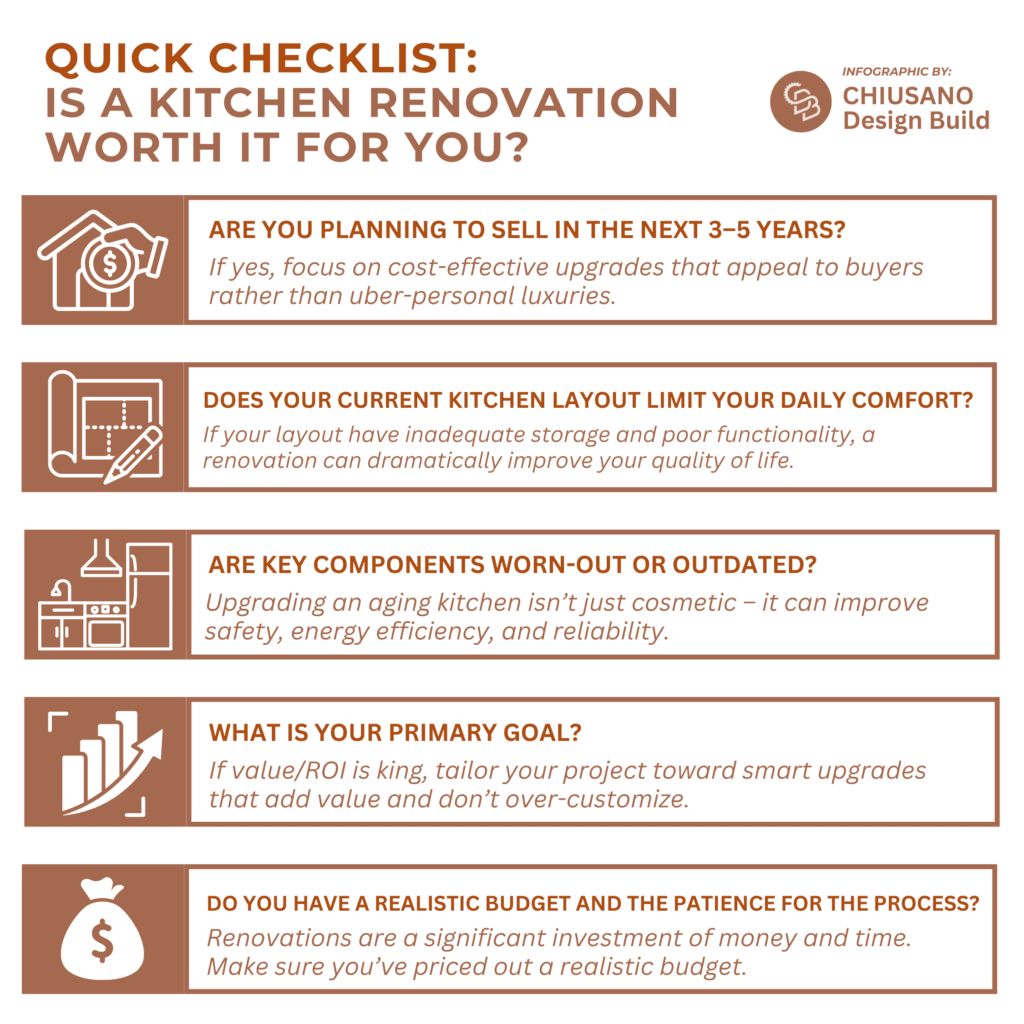
Quick Checklist: Is a Kitchen Renovation Worth It for You?
Still on the fence about whether to take the plunge? Here’s a quick checklist of considerations to help decide if a kitchen remodel makes sense for your situation:
Ready to Remodel Your Kitchen in Dutchess County?
Whether you want to boost your home’s value or create a kitchen that better fits your lifestyle (or both), a remodel could be the answer. We invite you to reach out for a free consultation with our experts. Let’s discuss your vision and see how we can make your Dutchess County kitchen the heart of your home.
Get in touch with us through our Kitchen Renovation page or contact form to schedule your consultation and get started on your dream kitchen.
Kitchen Remodel FAQs for Dutchess County
1. How long does a kitchen renovation take in Dutchess County?
Most kitchen remodels take 6–12 weeks for construction alone. Larger projects with structural changes or custom work can stretch to 3–4 months. Don’t forget to add time for design, permits, and material delivery—the full timeline from start to finish is often around 4 months total. If you’re living at home during the project, plan for 2+ months without full kitchen access.
2. What’s the most expensive part of a kitchen remodel?
Cabinetry usually takes the biggest slice of the budget—often 25–30%. Custom or semi-custom cabinets are especially costly. Other major expenses include labor and appliances, followed by countertops. Want to save? Consider mixing stock cabinets with custom accents to cut costs without sacrificing function or style.
3. Will a kitchen remodel increase my home’s value?
Yes, most remodels raise appraised value—but usually not dollar-for-dollar. You might recover 50–80% of the cost in added home value. Still, a modern kitchen attracts buyers, can shorten time on market, and adds daily value in how you use your space. For the best ROI, avoid over-customizing and match upgrades to your local market.
4. Do I need a permit for a kitchen remodel?
In most cases, yes. Any work involving plumbing, electrical, structural changes, or new layouts requires a permit. Cosmetic updates like painting or replacing cabinet hardware usually don’t. Each town in the Dutchess County has its own rules—so always check with your local building department. And if you hire a contractor, they should handle the permits for you.



3 Comments
Comments are closed.