Home Restoration After a Natural Disaster: What Hudson Valley Homeowners Need to Know
Home restoration after a natural disaster is a complex, time-sensitive process that requires immediate action, careful documentation, and experienced contractors. This guide walks Hudson Valley homeowners through the critical first steps, insurance considerations, realistic timelines, and how to choose the right restoration team to bring their home back safely and structurally sound.
When a flood, fire, or severe storm tears through your home, the silence afterward can feel just as devastating as the event itself. You’re standing in a space that no longer looks like yours, and you may not know where to begin. If you’re a homeowner in Dutchess County, Ulster County, or anywhere along the Hudson Valley corridor, this guide is built specifically for you. The region’s mix of older homes, seasonal weather extremes, and unique soil conditions creates restoration challenges that national guides simply don’t address.
Key Takeaways
- Act within the first 24 to 72 hours to prevent secondary damage like mold growth and structural decay.
- Thorough photo and video documentation before any cleanup begins is essential for a successful insurance claim.
- Not all damage is visible immediately; hidden moisture and compromised framing often reveal themselves days later.
- Working with a licensed local contractor who knows Hudson Valley construction will save you time and money.
- Older and historic homes in Columbia and Greene County require specialized restoration approaches to preserve structural integrity.
- Insurance coverage varies widely; understanding your policy before disaster strikes is critical.
Why Natural Disasters Hit Hudson Valley Homes Differently
The Hudson Valley isn’t just a beautiful place to live; it’s a region with a specific set of vulnerabilities. Heavy nor’easters, ice storms, flash flooding from the Catskill watershed, and occasional tropical storm remnants have all caused significant residential damage across Greene, Columbia, and Ulster counties in recent years. Many homes in this area were built in the late 1800s or early 1900s, which means older framing systems, aging foundations, and materials that don’t always respond well to modern restoration methods without careful planning.
Flooding is among the most common and costly natural disasters in New York State. FEMA estimates that just one inch of floodwater can cause up to $25,000 in damage to a residential property. In flood-prone areas like the Catskill foothills and low-lying sections of Dutchess and Ulster counties, this figure can climb significantly higher when foundation systems are affected.
Understanding that context shapes everything about how restoration should be approached here. A contractor familiar with the Hudson Valley knows to check for fieldstone foundation compromise after a flood, knows which local municipalities require specific permits before structural repairs begin, and understands the regional cost landscape for materials and labor. That local expertise isn’t a bonus. It’s often the difference between a restoration that lasts and one that fails within a few years.

What Does the Restoration Process Actually Look Like?
Most homeowners picture restoration as a simple sequence: remove damaged material, rebuild, repaint. The reality is layered. The first phase is assessment and stabilization, where a licensed contractor evaluates what’s structurally compromised, what poses an immediate safety risk, and what can be preserved. This step happens before any demolition begins, and skipping it often leads to expensive surprises mid-project.
Mold can begin colonizing wet building materials within 24 to 48 hours of water exposure, according to the EPA. This means that remediation isn’t something homeowners can afford to delay while waiting on insurance adjusters or contractor availability. Moisture extraction, dehumidification, and controlled drying must begin almost immediately to prevent a flood or burst pipe from becoming a full mold remediation project.
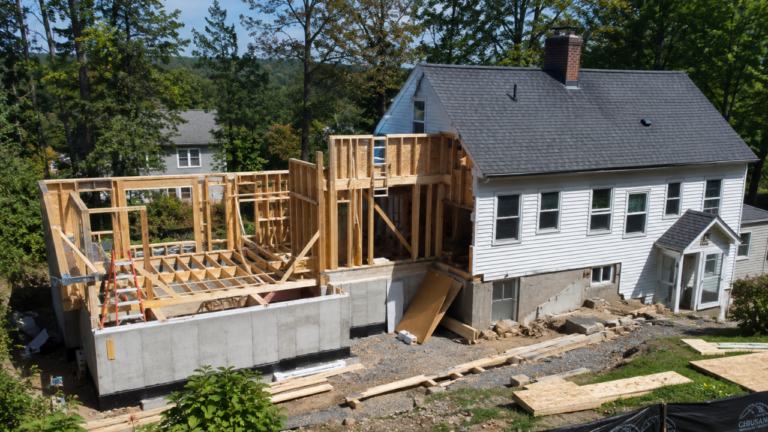
After stabilization and remediation comes the structural repair phase, which may involve replacing floor joists, subfloor, drywall, insulation, and in severe cases, roof decking or framing members. The final phase covers finishes: flooring, paint, fixtures, cabinetry, and the details that make a house feel like a home again. Understanding the home restoration timeline from the start helps homeowners set realistic expectations and avoid the frustration of thinking a project is nearly done when structural phases are just wrapping up.
How Much Does Home Restoration After a Natural Disaster Cost?
The national average for home restoration after a flood ranges from $10,000 to $50,000 depending on the extent of water intrusion and how quickly remediation begins. Fire damage restoration typically runs higher, often between $20,000 and $100,000 or more, particularly when smoke and soot have penetrated structural cavities. In the Hudson Valley market, labor and material costs tend to fall slightly above national averages due to regional contractor demand and material supply chain factors.
These numbers feel abstract until you’re the one getting estimates. What matters practically is breaking costs into phases so the financial impact doesn’t feel like a single overwhelming number. Many homeowners in Albany County and Columbia County are surprised to learn that some elements of their restoration, like temporary housing costs and debris removal, may be covered by their homeowners insurance or supplemental disaster relief programs. Knowing what’s covered, and fighting for it, is part of the process.

What Makes Hudson Valley Homes Particularly Vulnerable?
Older construction is both a charm and a challenge in this region. Homes in villages throughout Greene and Columbia counties often feature balloon-frame construction, which allows fire and smoke to travel rapidly through wall cavities without the fire blocking that modern platform framing provides. After a fire, this means restoration teams may need to open significantly more wall space than the visible burn area suggests. If you’re thinking about historic restoration tips before beginning any work, that research will help you understand what questions to ask and which preservation standards apply to your property
.Stone and brick foundations common in pre-1950 Hudson Valley construction are particularly susceptible to hydrostatic pressure damage after prolonged flooding. Unlike poured concrete, mortar joints in older foundations can erode or crack under sustained water pressure, compromising the entire foundation’s load-bearing capacity. Restoration of these systems often requires a structural engineer’s assessment before any cosmetic repairs begin.
It’s also worth acknowledging the emotional weight of restoring an older home. Many families in this region have owned their properties for generations. The goal isn’t just to make the structure functional again; it’s to preserve what made the home worth saving in the first place. That means working with someone who respects the original craftsmanship while meeting modern building codes. Reading through what to know before restoring your home in Hudson Valley can prevent costly missteps early in the process.
Choosing the Right Contractor for Disaster Restoration
After a major storm or flood event, restoration contractors appear from everywhere, and not all of them are qualified or legitimate. Homeowners in distress are unfortunately prime targets for predatory contractors who collect deposits and disappear, or perform work that fails inspection. The safest approach is to work with a licensed, insured contractor who has an established presence in the Hudson Valley, not someone who drove up from another state after a FEMA disaster declaration.
Ask to see proof of insurance, a New York State contractor license, and references from local projects. A trustworthy contractor will walk you through their process, give you a written scope of work before any money changes hands, and communicate clearly about what’s included and what isn’t. For homeowners ready to explore what professional home restoration looks like from start to finish, understanding the full scope of a qualified contractor’s work makes it much easier to evaluate proposals critically.

Frequently Asked Questions
What should I do immediately after my home is damaged by a natural disaster?
Your first priority is personal safety. Don’t re-enter a home that may have structural damage, active gas leaks, or live electrical hazards until it’s been cleared by emergency personnel. Once it’s safe, begin documenting everything with photos and video before touching or moving anything. Contact your insurance company to report the damage and start the claims process as soon as possible.
How soon should restoration work begin after a flood, fire, or storm?
Remediation and stabilization should begin within 24 to 72 hours of the initial damage if at all possible. Delays allow moisture to migrate deeper into building materials, mold to take hold, and secondary structural damage to compound the original problem. Emergency water extraction and drying can often begin before the full insurance claim is resolved, and most adjusters expect to see that you’ve taken reasonable steps to mitigate further damage.
Can I stay in my home during the restoration process?
It depends entirely on the extent of damage and which systems are affected. If the home has no working HVAC, compromised structural elements, active mold remediation underway, or hazardous material concerns like asbestos or lead, temporary relocation is both safer and often required by contractors and inspectors. Many homeowners policies include Additional Living Expense coverage that pays for temporary housing during restoration, so check your policy details carefully.
Does homeowners insurance cover natural disaster restoration?
Standard homeowners insurance typically covers fire, wind, and certain storm damage, but flood damage is almost universally excluded and requires a separate flood insurance policy through the National Flood Insurance Program or a private insurer. Earthquake coverage is also typically excluded. Review your policy before disaster strikes so you’re not caught off guard, and consider speaking with an independent insurance agent about coverage gaps if you live in a flood-prone area of the Hudson Valley.
How do I document damage for an insurance claim?
Before any cleanup begins, walk through every affected area with your phone and capture wide shots, mid-range shots, and close-up photos of every damaged item and surface. Document serial numbers and model numbers of damaged appliances and systems. Create a written inventory of damaged personal property with estimated values. Save all receipts for emergency repairs, temporary housing, and any expenses incurred as a result of the disaster, as these may be reimbursable.
Rebuilding After the Storm: Your Next Step
Imagine walking back into your home after restoration is complete. The floors are solid underfoot again, the walls are clean, the rooms feel like yours. That outcome is absolutely possible, and it starts with making the right decisions in the first days and weeks after a disaster. Waiting too long, choosing the wrong contractor, or mishandling documentation can add months and thousands of dollars to a process that’s already stressful enough.
Homeowners across Dutchess County, Ulster County, Greene County, Albany County, and Columbia County have relied on Chiusano Design Build to guide them through exactly this process. From initial assessment and structural stabilization through finishes and final walkthrough, the team brings local knowledge, licensed expertise, and a genuine commitment to restoring not just your home but your peace of mind. Whether you’re dealing with flood damage in a 100-year-old farmhouse or storm damage to a newer build, the approach is always thorough, transparent, and built around your specific situation.
If your home has been affected by a natural disaster or you want to be prepared before the next storm season, Contact Us today. Call Chiusano Design Build directly at 845-201-9450 to speak with someone who understands the Hudson Valley and knows how to bring your home back the right way.